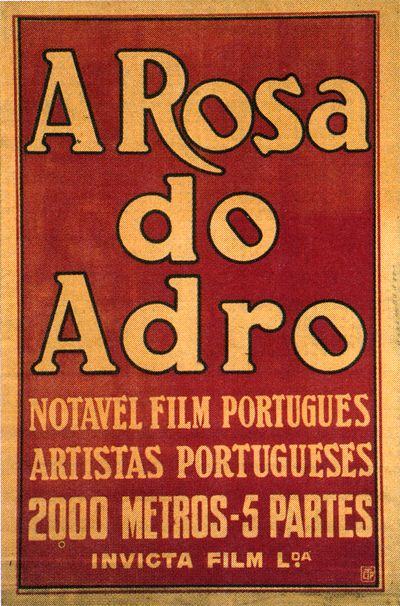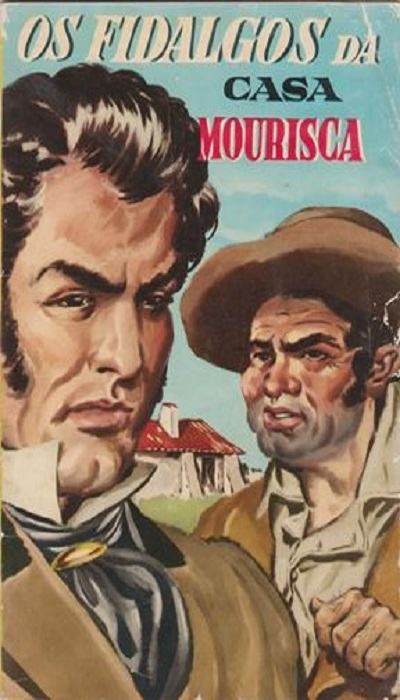
The amorous sacrifices of the daughter of Tomé da Póvoa, Berta, with the gentleman Jorge and, in parallel, the warm connection of the other son of Dom Luis, Maurício, with dedicated cousin Gabriela..
Spoiler-rich reverie ahead; enter the manor at your own peril. The first thing that strikes you is the hush—no overture, no swelling strings—just the susurration of cypresses beyond the veranda and the sound of your own anticipatory heartbeat. Director Artur Sa trusts the silence so completely that when a distant ...

still_frame

Comparing the cinematic DNA and archive impact of two defining moments in cult history.
George Pallu
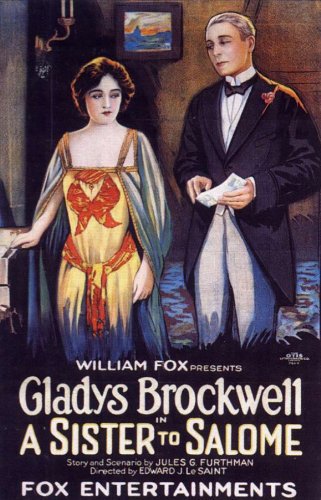
Edward LeSaint
Community
Log in to comment.
" Spoiler-rich reverie ahead; enter the manor at your own peril. The first thing that strikes you is the hush—no overture, no swelling strings—just the susurration of cypresses beyond the veranda and the sound of your own anticipatory heartbeat. Director Artur Sa trusts the silence so completely that when a distant door groans open it feels like a sacrament. We’re ushered into Casa Mourisca not as tourists but as co-conspirators, invited to witness how a single bloodline cannibalizes itself i..."
Etelvina Serra
Júlio Dinis
Portugal

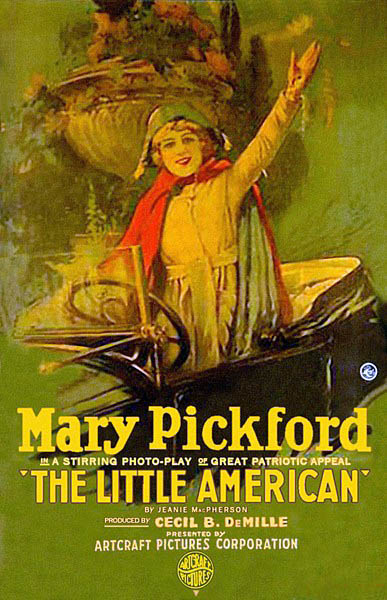
Deep dive into the cult classic
Discover similar cinematic experiences
A Directorial Spotlight on George Pallu