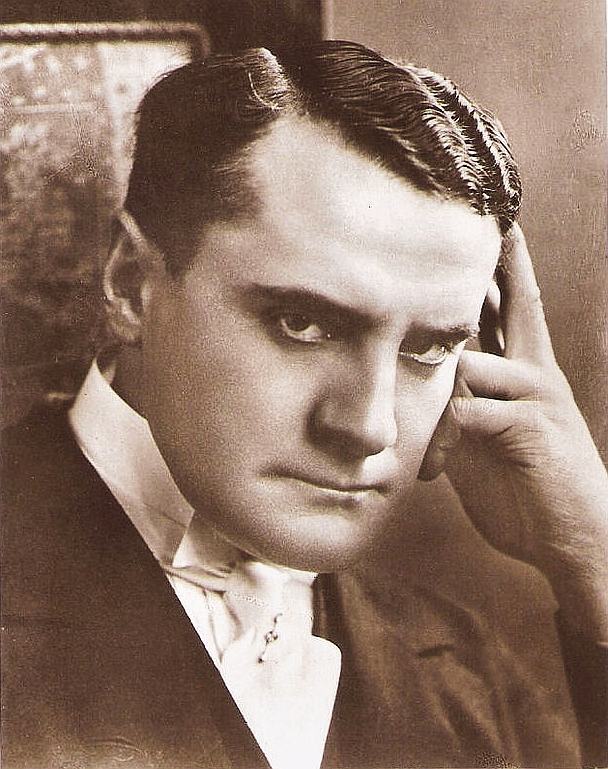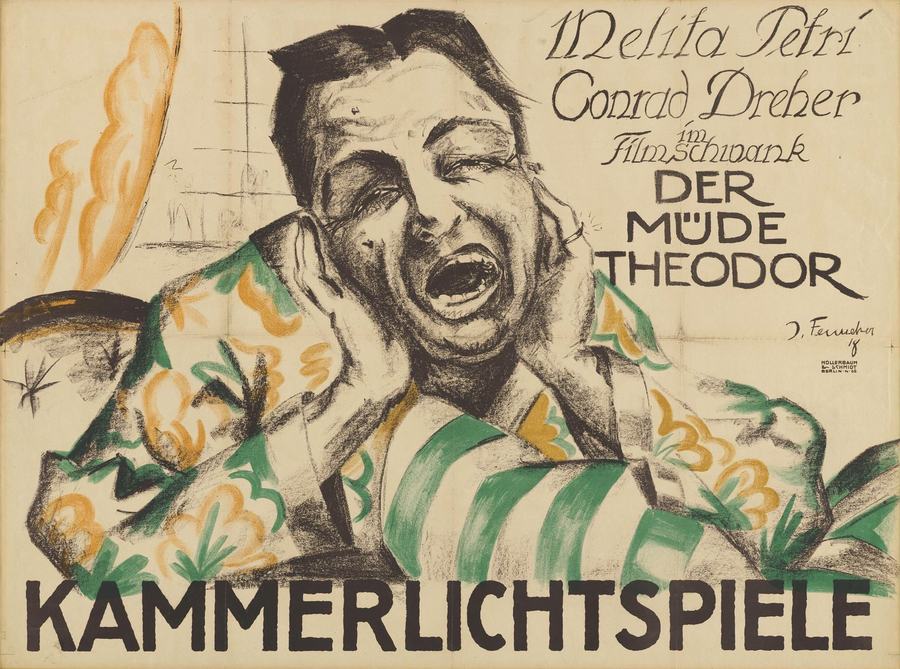
body{background:#000;color:#fff;font-family:Arial,Helvetica,sans-serif;line-height:1.6;margin:0;padding:20px;}a{color:#EAB308;text-decoration:none;}a:hover{opacity:0.8;}span.highlight{color:#C2410C;}span.accent{color:#0E7490;} From the opening frame, the camera lingers on the soot‑streaked façade of a sprawling factory...
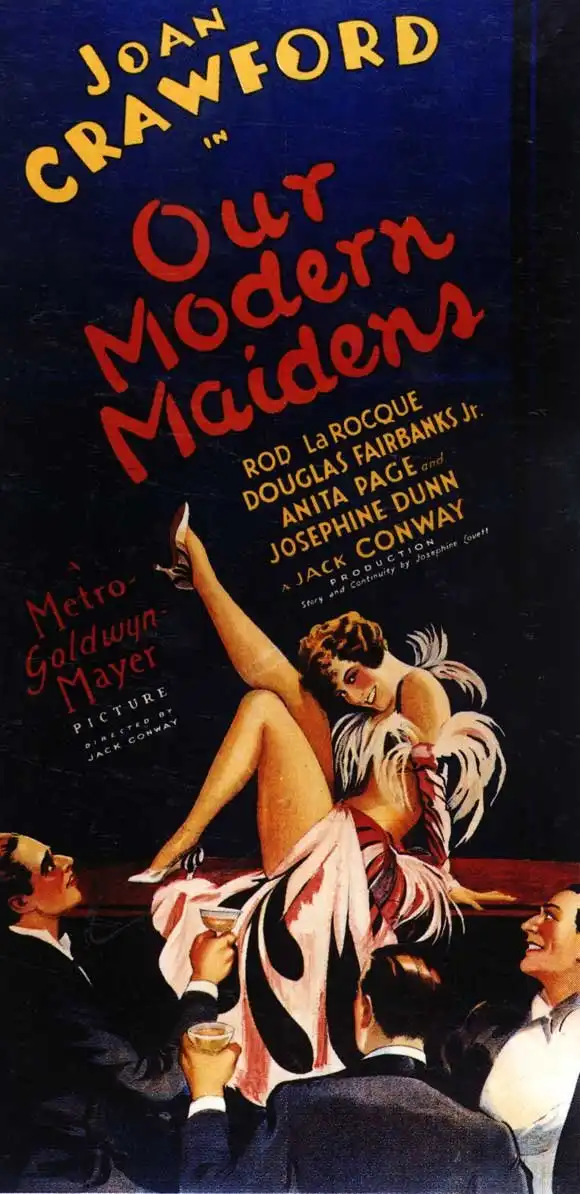
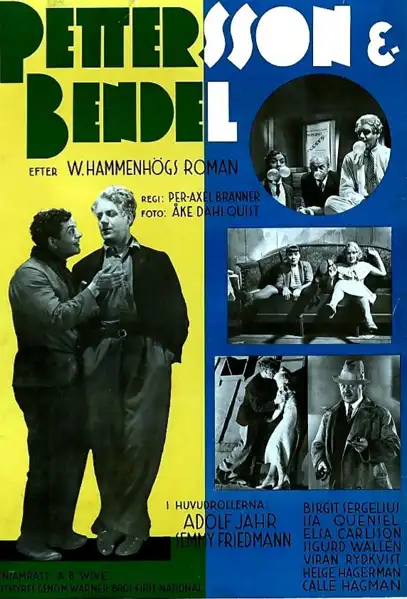
Comparing the cinematic DNA and archive impact of two defining moments in cult history.
Leo Peukert
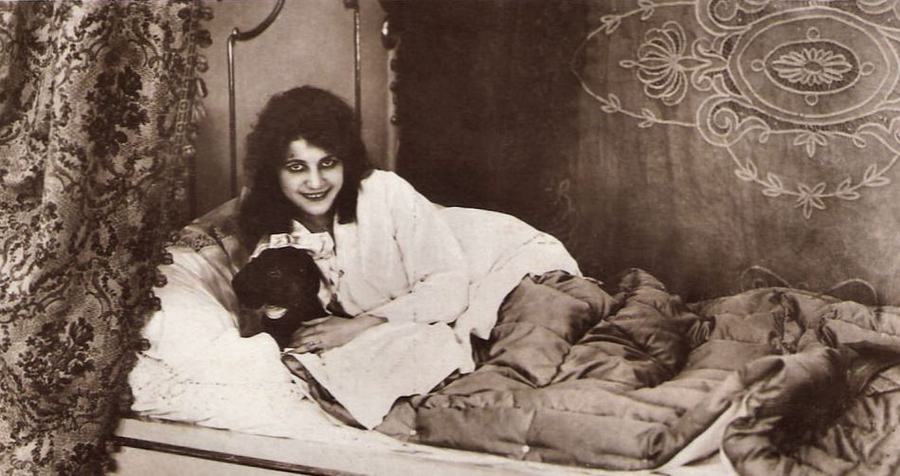
Leo Peukert
Community
Log in to comment.
"body{background:#000;color:#fff;font-family:Arial,Helvetica,sans-serif;line-height:1.6;margin:0;padding:20px;}a{color:#EAB308;text-decoration:none;}a:hover{opacity:0.8;}span.highlight{color:#C2410C;}span.accent{color:#0E7490;} From the opening frame, the camera lingers on the soot‑streaked façade of a sprawling factory, the iron ribs of its machinery silhouetted against a bruised dawn. Theodor (Conrad Dreher) steps out of the gate, his shoulders hunched under the weight of a life measured in shi..."