DbcultAccessing Vault...
Cult Review
Senior Film Conservator
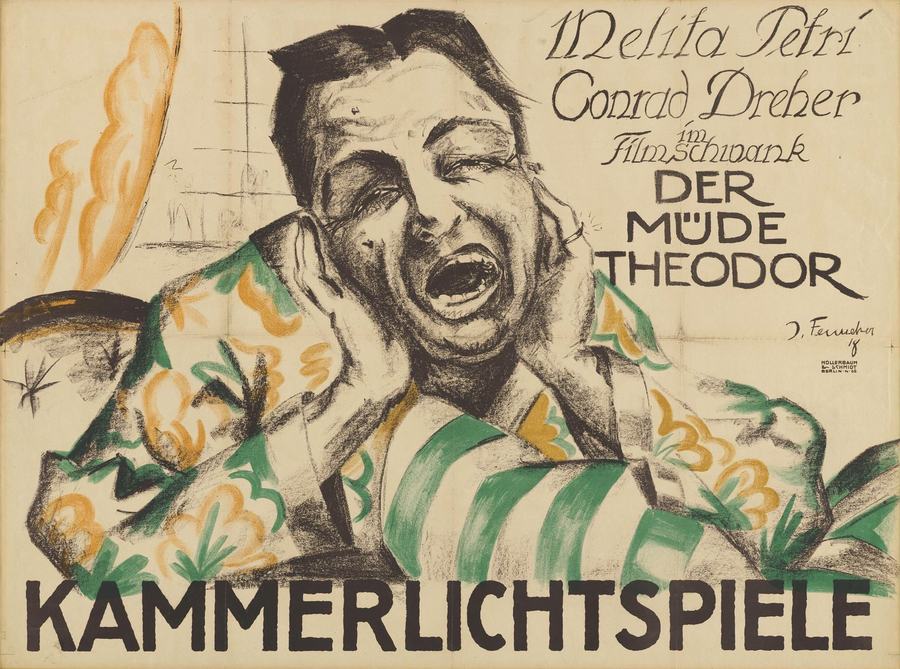
From the opening frame, the camera lingers on the soot‑streaked façade of a sprawling factory, the iron ribs of its machinery silhouetted against a bruised dawn. Theodor (Conrad Dreher) steps out of the gate, his shoulders hunched under the weight of a life measured in shifts and silence. Dreher’s performance is a study in restrained anguish; each breath he draws feels like a negotiation with an invisible, oppressive force.
The narrative’s first act establishes a world where routine is both refuge and prison. Leni (Melita Petri) flits through the cramped kitchen, her youthful optimism a stark contrast to her father’s weary resignation. Their dialogue, peppered with half‑spoken jokes and lingering glances, reveals a bond forged in hardship yet threatened by the looming specter of unemployment. When the factory manager, a gaunt figure played by an uncredited actor, announces the layoffs, the scene shifts from muted melancholy to a sudden, jagged anxiety that reverberates through every corner of the set.
Enter Felix (Rudolf Müller), a wandering poet whose flamboyant scarf and lyrical monologues seem out of place amid the soot‑laden streets. Felix’s arrival is not merely a plot device; he embodies the film’s central tension between stagnation and the yearning for transcendence. In a dimly lit tavern, Felix recites verses about time’s relentless march, his voice a warm amber against the cold, metallic clatter of the bar. Theodor, initially skeptical, finds himself drawn to the poet’s fervor, and the two men strike an unlikely camaraderie that propels the story into its second act.
It is during a hushed conversation with Felix that Theodor learns of the pocket watch—an heirloom his father once wore, now lost in the chaos of war. The watch, described in Felix’s poetic cadence as "a heart beating beneath brass," becomes a tangible metaphor for Theodor’s fractured sense of self. The decision to retrieve it sets the stage for a road‑movie interlude that is both literal and allegorical.
The journey across the desolate countryside is rendered with a visual palette that oscillates between the muted greys of industrial decay and the sudden bursts of dark orange (#C2410C) that punctuate sunrise over abandoned fields. The cinematographer employs long, lingering shots of empty highways, allowing the audience to feel the weight of distance and the quiet desperation that fuels Theodor’s quest. Along the way, he encounters a reclusive lighthouse keeper (Hans Stock), a stoic figure whose weather‑worn face mirrors the cliffs he tends. In a scene bathed in sea‑blue (#0E7490) twilight, the keeper shares a cryptic parable about the tide’s inevitability, hinting that some losses are irreversible, yet not without purpose.
Parallel to Theodor’s odyssey, the film intercuts moments of tender intimacy with Anja, a seamstress whose shop is a kaleidoscope of fabric swatches and soft, amber light. Their brief romance is rendered with a delicate touch; Anja’s laughter, captured in a close‑up that isolates the curve of her mouth, offers Theodor a fleeting glimpse of joy that he has not felt in years. Their connection, however, remains tentative, underscoring the film’s refusal to provide easy redemption.
When Theodor finally reaches the dilapidated cottage where the watch is rumored to be hidden, the atmosphere thickens with anticipation. The interior is a museum of forgotten memories: cracked photographs, rusted tools, and a solitary, dust‑covered chest. The moment he lifts the lid, the camera zooms in on his trembling hands, the darkness of the room contrasted by a single shaft of light that catches the watch’s tarnished surface. Yet, in a subversive twist, the watch is missing; instead, a handwritten note from his father lies atop the chest, speaking of sacrifice, love, and the futility of clinging to material symbols.
This revelation reframes the entire narrative. Theodor’s return home is not marked by triumph, but by a quiet acceptance. The final scenes are suffused with a soft, golden hue, the darkness of the opening receding like a tide. Leni greets him at the doorstep, her eyes reflecting both relief and curiosity. Theodor, now holding the note, places it on the kitchen table beside a steaming pot of soup, a simple act that signifies his renewed willingness to engage with the present rather than chase ghosts of the past.
Performance-wise, Conrad Dreher delivers a career‑defining turn. His subtle micro‑expressions—an involuntary twitch of the left eyebrow, the way his fingers linger on the edge of a table—convey a depth of sorrow that words could never articulate. Melita Petri’s Leni is a bright counterpoint, her youthful vigor captured through quick, kinetic camera movements that contrast Theodor’s measured pacing. Rudolf Müller’s Felix, while occasionally bordering on theatrical, serves as the film’s philosophical compass, his monologues peppered with literary allusions that enrich the thematic tapestry.
The screenplay, penned by Max Neal and Max Ferner, balances lyrical prose with stark realism. Dialogue often feels like poetry in motion, especially in scenes where Felix muses about “the clock that ticks louder in the heart than in the hall.” Yet, the writers never sacrifice narrative momentum; each scene propels Theodor forward, whether physically across the landscape or emotionally toward self‑realization.
Visually, the film’s color scheme is a masterclass in symbolic storytelling. Dark orange (#C2410C) surfaces during moments of revelation—such as the sunrise over the factory’s smokestacks—signifying hope amidst decay. Yellow (#EAB308) highlights moments of human connection, like the flickering candlelight during Theodor’s dinner with Leni, while sea blue (#0E7490) envelops scenes of introspection, particularly the lighthouse sequences, evoking the vast, unknowable depths of the subconscious.
Comparatively, the film shares thematic resonance with The Chalice of Courage, especially in its exploration of personal honor versus societal expectation. However, where The Chalice of Courage leans heavily on overt heroics, Der müde Theodor opts for a subdued, internalized struggle, making its emotional payoff more intimate and lingering.
Another point of reference is Outcast, which similarly portrays a protagonist marginalized by circumstance. Yet, Theodor’s journey diverges by focusing less on external rebellion and more on an inward reconciliation with loss, positioning the film within a distinct narrative tradition that privileges quiet resilience over overt defiance.
The sound design deserves special mention. Ambient factory noises—clanking metal, distant whistles—are woven seamlessly with a minimalist score that employs low‑frequency strings and occasional piano chords. The music swells only in moments of emotional climax, such as when Theodor discovers the note, allowing silence to amplify the impact of his realization.
From a directorial standpoint, the pacing is deliberate, inviting viewers to inhabit Theodor’s world rather than merely observe it. Long takes linger on the protagonist’s solitary walks, encouraging a meditative viewing experience that mirrors the film’s thematic preoccupation with time’s inexorable flow.
In terms of cultural relevance, the film offers a poignant commentary on post‑war German society, where industrial decline and generational trauma intersect. The pocket watch, a relic of a bygone era, symbolizes the weight of historical memory that contemporary individuals must navigate. By eschewing grandiose spectacle, the film grounds its narrative in the everyday, making its insights universally resonant.
While the film’s deliberate restraint may alienate viewers seeking conventional plot twists, its commitment to authenticity and emotional nuance rewards patient audiences. The lack of a tidy, triumphant ending—Theodor does not retrieve the watch—underscores the film’s central thesis: redemption often lies not in reclaiming the past, but in embracing the present with humility.
Overall, Der müde Theodor stands as a testament to the power of understated storytelling. Its meticulous craftsmanship—from Dreher’s hauntingly authentic performance to the evocative use of color and sound—creates a cinematic experience that lingers long after the final frame fades to black. For anyone interested in character‑driven drama that probes the depths of human endurance, this film is an essential watch.

IMDb 6.3
1935
Community
Log in to comment.