Summary
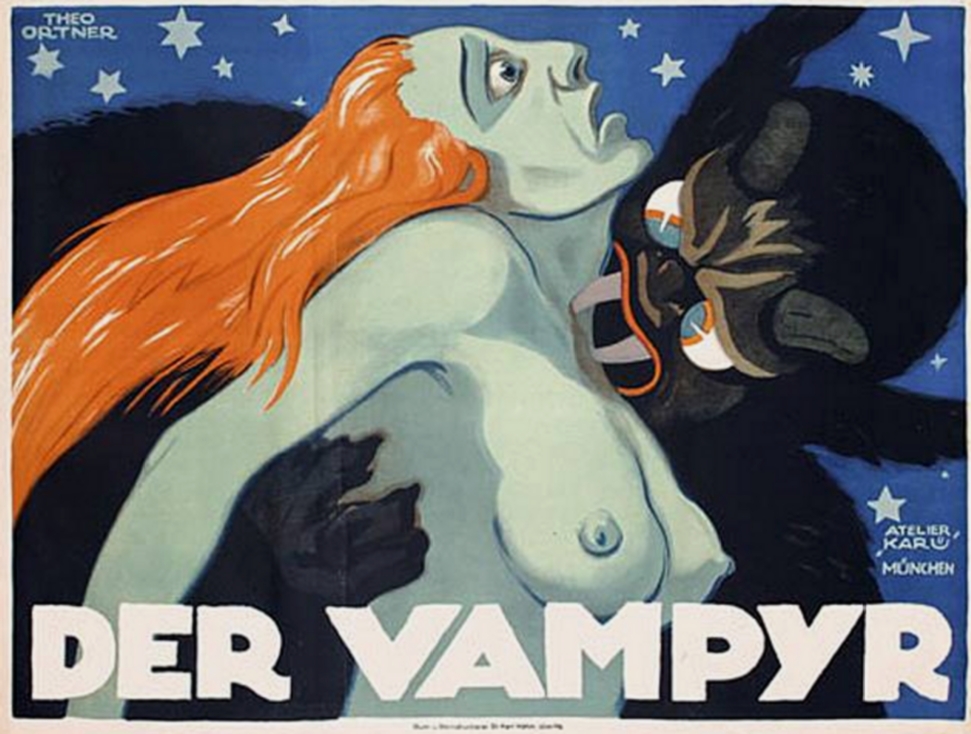
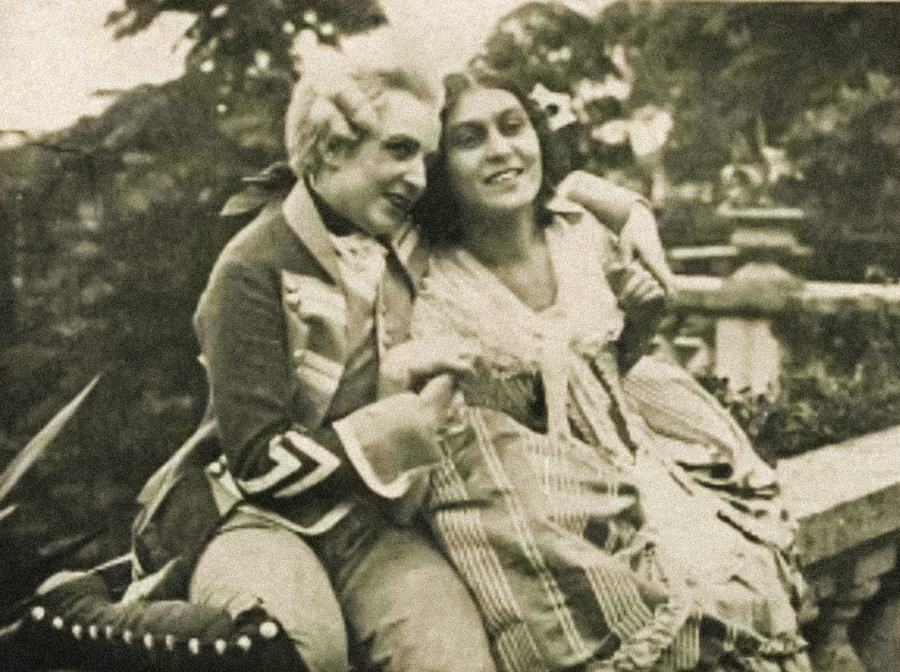
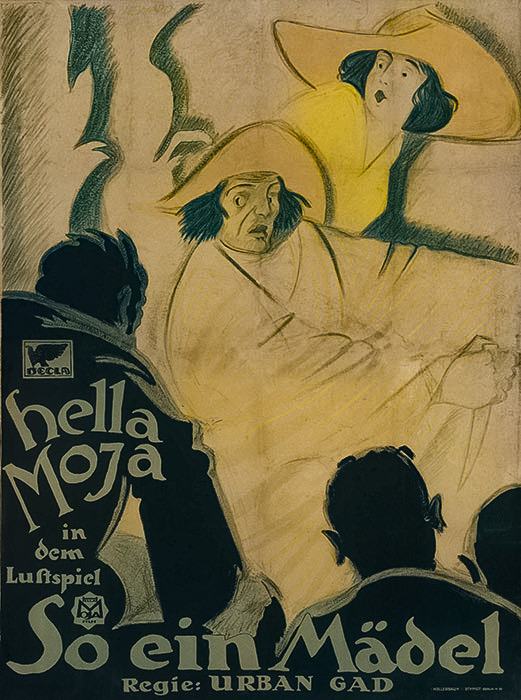
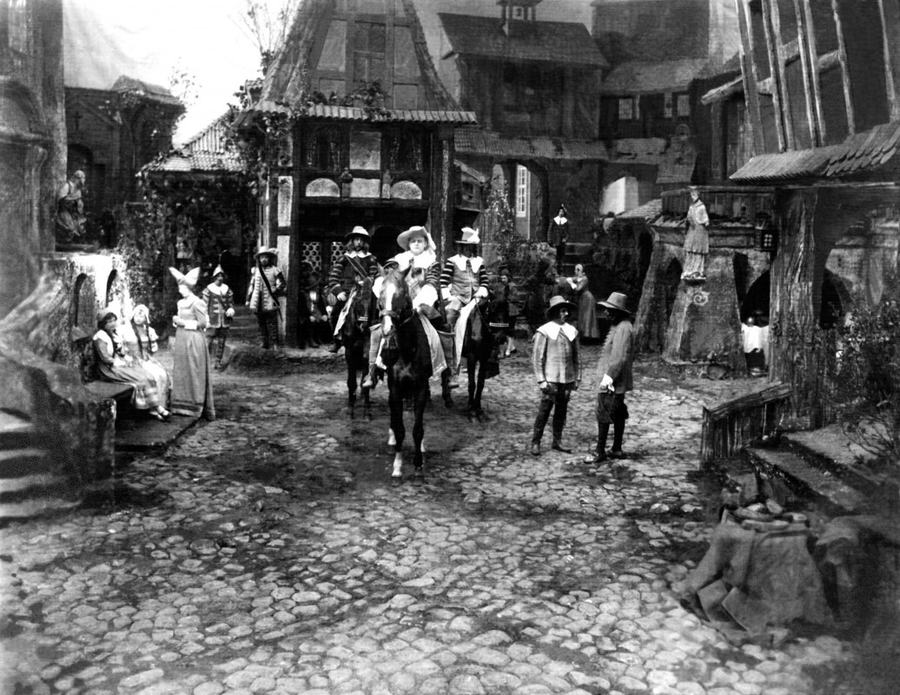
Moonlit Carpathian crags cradle a crumbling cloister where Ruth, the convent-bred innocent played by Esther Carena, arrives as ward to her sybaritic aunt (Else Berna) and three cousins whose porcelain smiles mask arterial hunger. The estate’s corridors exhale funereal chill; candles gutter like dying suns while ancestral portraits bleed lacquer from their eyes. At twilight a velvet-cloaked visitor, Julius Klinkowström’s world-weary Count, glides across the drawbridge, his shadow arriving before him as though impatient to drink the stone. He bears no reflection, only a signet ring older than the castle’s mortar, and a whispered promise that every virgin throat will sing for him alone. Ruth’s eldest cousin, Hella Moja’s Lilith-like Irma, toys with the Count’s lust, hoping to trade her veins for eternal twilight; Michel Braun’s guilt-ridden priest trembles between cassock and desire; Lili Alexandra’s consumptive governess scribbles prophecies in Bible margins, ink mingling with hemoglobin when she slices her finger for inspiration. Over seven nights the castle becomes a vertiginous theater of silhouettes: banquets where wolfhounds refuse the meat, waltzes whose orchestral strokes fall a beat behind mortal hearts, and a bedtime lullaby hummed by a child who may already be three-hundred-years dead. The Count’s bite is not a kiss but a contract; each puncture writes a rune on the soul, and when Ruth discovers her own crucifix branded into her palm like stigmata, she realizes the bloodline she trusts is the very ledger of his feast. Franz Seitz’s screenplay spirals toward a dawn that never quite arrives: a sacrificial sunrise staged on the battlements where Ruth, draped in bridal white now stained pomegranate, must choose between becoming the next stanza in an immortal poem or setting the parchment ablaze. In the final freeze-frame the camera does not fade; it simply stops, as though time itself has been drained, leaving the audience stranded inside a fresco that watches back.
Review Excerpt
"
A single chandelier, its crystals clouded by decades of bat dung, crashes to the flagstones in the opening shot of Der Vampyr—and the splinters fly upward in reverse motion, reassembling mid-air as though time itself were a palindrome. That impossible visual rhyme is your ticket into Franz Seitz’s 1920 fever dream, a film that predates Nosferatu by two full years yet remains buried in celluloid catacombs like a shameful family secret. Silent-era aficionados worship Murnau’s rat-toothed ghoul, ..."