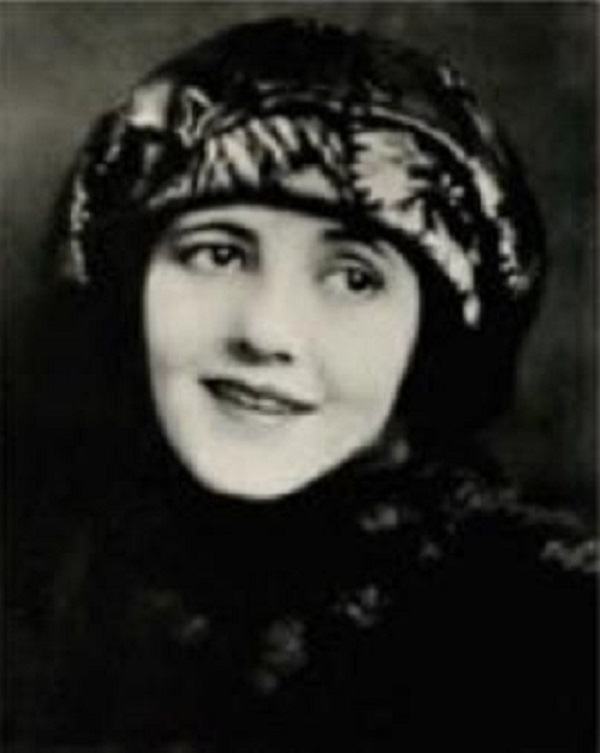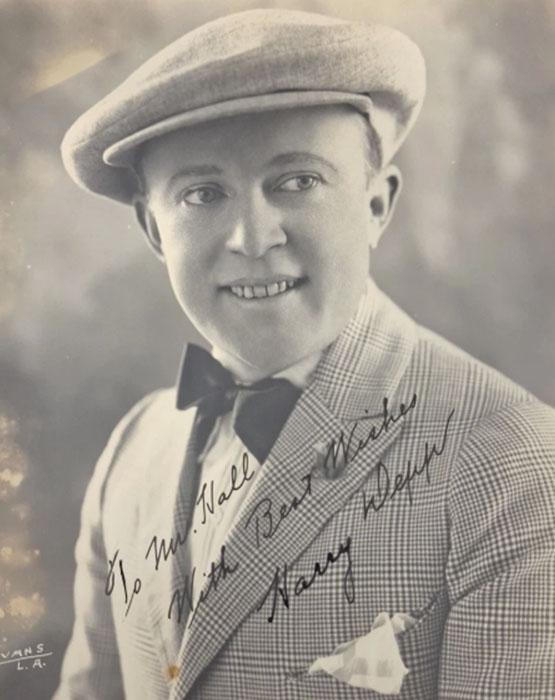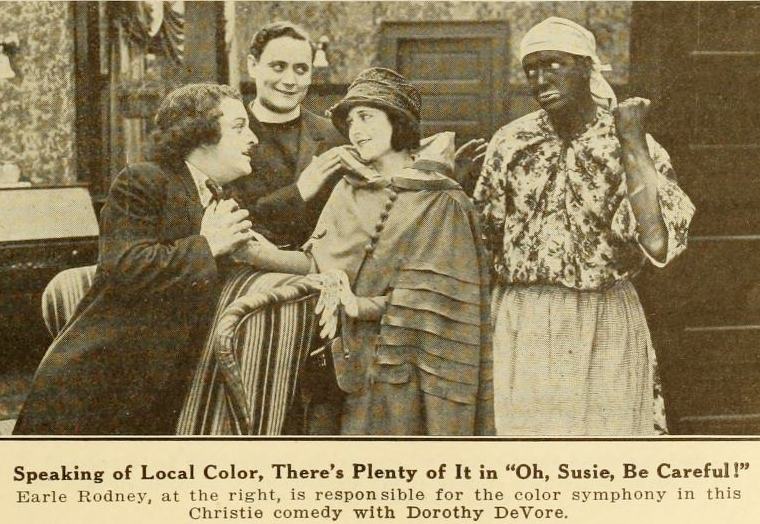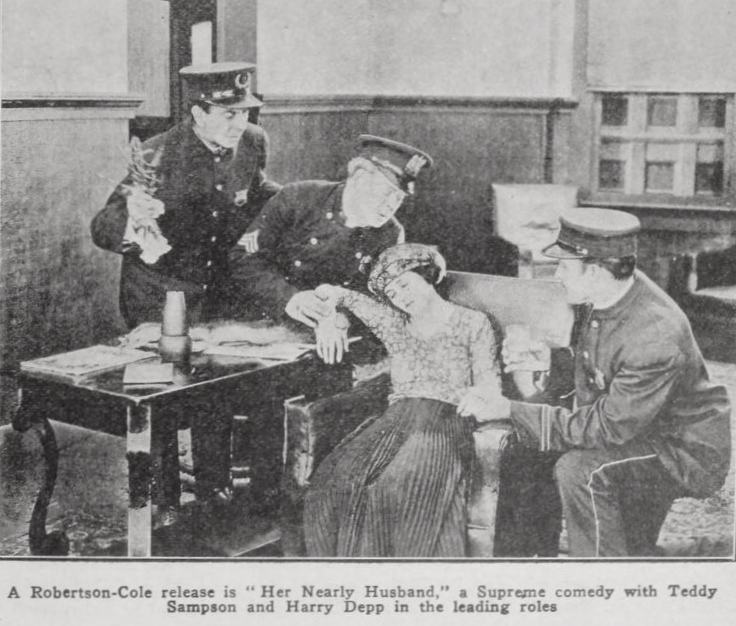
A wedding dress without a body, a ring without a finger, a vow without a voice—Her Nearly Husband is the celluloid ghost of every promise that evaporated between heartbeat and breath. Frank Roland Conklin and Scott Darling, those twin surgeons of the intertitle, dissect the corpse of courtship with scalpels made of l...
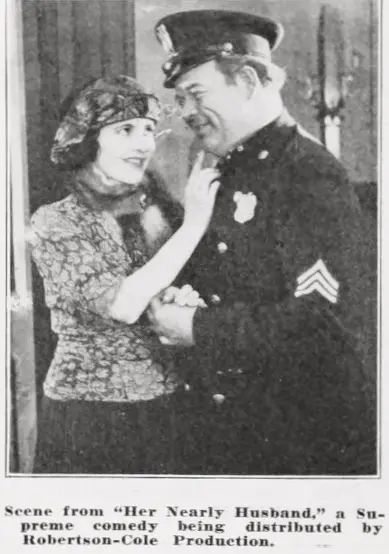
still_frame
Comparing the cinematic DNA and archive impact of two defining moments in cult history.
Scott Sidney
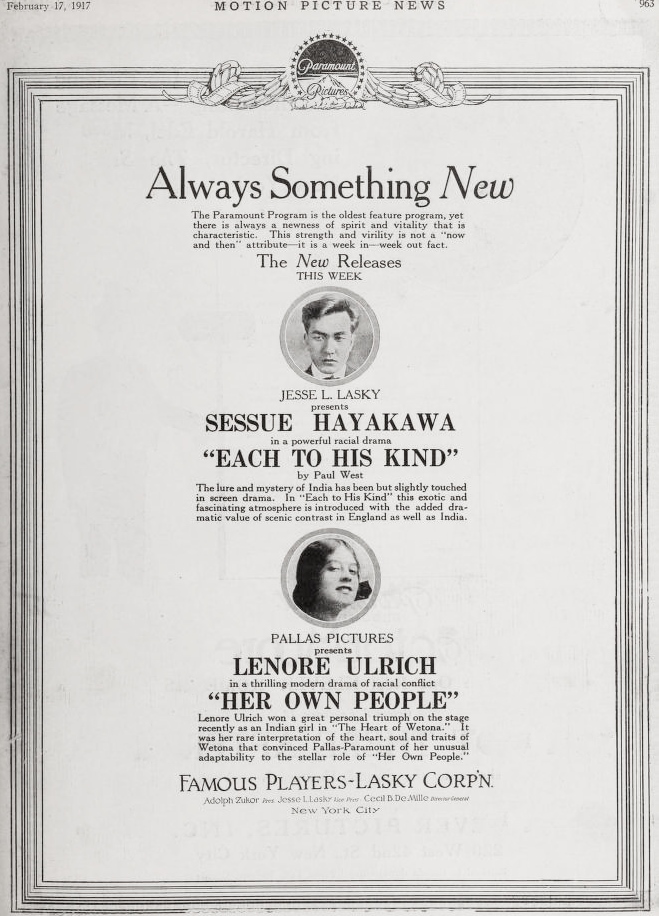
Scott Sidney
Community
Log in to comment.
" A wedding dress without a body, a ring without a finger, a vow without a voice—Her Nearly Husband is the celluloid ghost of every promise that evaporated between heartbeat and breath. Frank Roland Conklin and Scott Darling, those twin surgeons of the intertitle, dissect the corpse of courtship with scalpels made of light. Their story, nominally about a bridegroom who fails to appear, mutates into a fever-dream of negative space: the negative of embrace, of signature, of consummation. Harry Dep..."
Deep dive into the cult classic
Discover similar cinematic experiences
A Directorial Spotlight on Scott Sidney