Summary
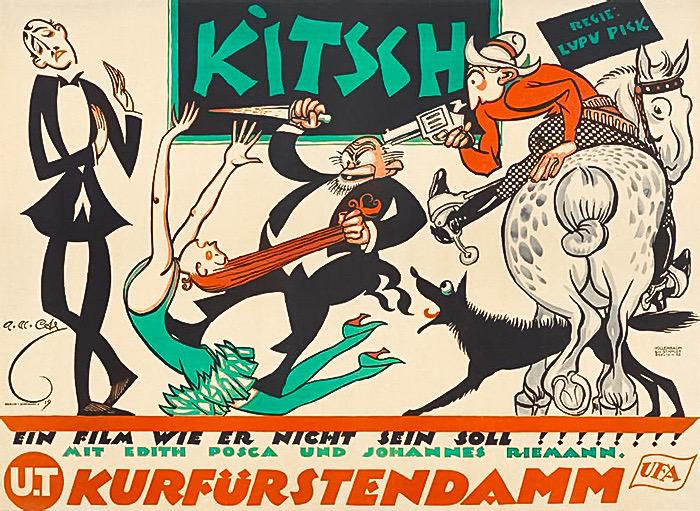
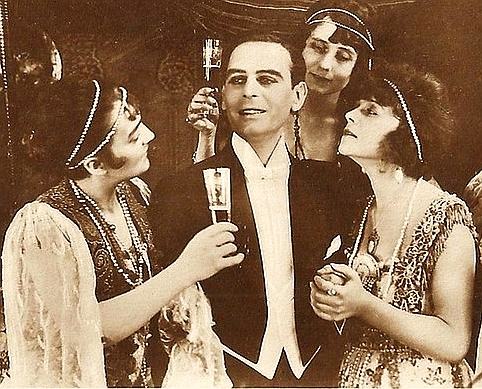
In an era of burgeoning commercialism and artistic pretense, 'Kitsch' unveils the stark, often heartbreaking, odyssey of Anton Krell, a sculptor whose prodigious talent is locked in a Sisyphean struggle against the prevailing currents of aesthetic superficiality. From the grimy solitude of his atelier, Krell forges viscerally honest forms, each chisel stroke imbued with an almost primeval yearning for truth, yet these raw, unvarnished expressions remain largely invisible to a public enamored with gilded banality. His world, a monochrome tapestry of deprivation and unacknowledged genius, is momentarily illuminated by Lena, a dancer whose inherent grace and uncorrupted spirit become the wellspring of his most profound creations, a living testament to beauty untainted by artifice. However, this fragile idyll is shattered by the machinations of Baroness von Sternberg, a formidable doyenne of the art world whose patronage, initially a beacon of hope, swiftly morphs into a silken snare. The Baroness, a connoisseur of the decorative and the easily digestible, subtly yet relentlessly coerces Krell into abandoning his authentic vision for the saccharine allure of commercially viable 'kitsch.' As Krell's sculptures transform from soul-baring revelations into meticulously crafted, yet utterly hollow, embellishments for aristocratic salons, he ascends the social ladder, acquiring renown and material comfort at the cost of his very artistic soul. This Faustian bargain alienates Lena, whose pure artistic sensibility cannot reconcile with Krell's descent into aesthetic compromise. The film masterfully charts Krell's agonizing internal conflict, culminating in a poignant, perhaps tragic, reckoning with the profound chasm between artistic integrity and the seductive siren call of popular acclaim, leaving the viewer to ponder the true price of artistic capitulation.
Review Excerpt
"
The Enduring Echo of Aesthetic Betrayal: A Deep Dive into 'Kitsch'
In the annals of silent cinema, where grand gestures often spoke louder than words, a film like 'Kitsch' emerges not merely as a narrative but as a profound philosophical inquiry, a searing indictment of an art world perpetually teetering on the precipice of commercial capitulation. This cinematic gem, helmed by the astute vision of Hans Gaus, transcends its era, offering a timeless meditation on authenticity, compromis..."