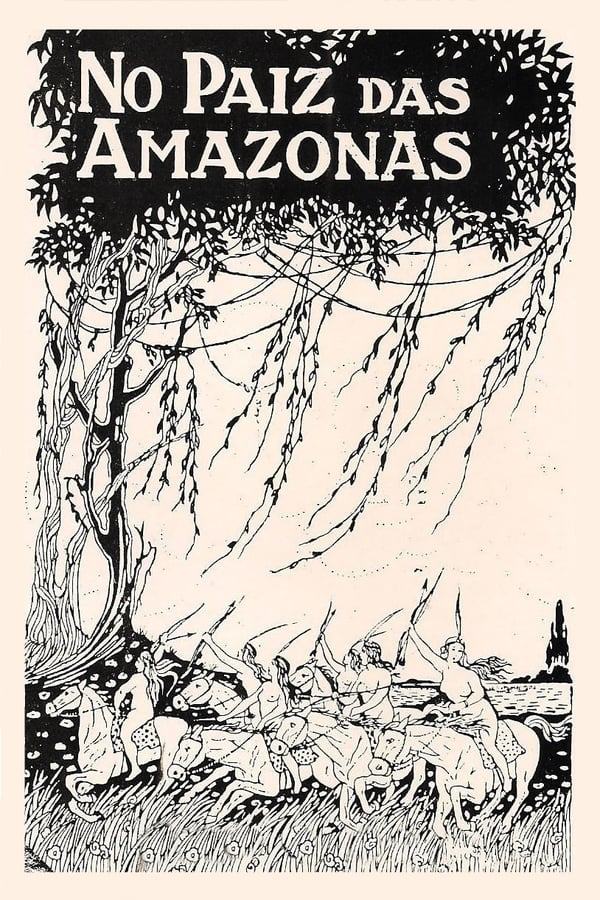
The documentary "No País das Amazonas" begins showing the Indians of Amazonas. Then, it presents the economical activities showing each step in the production line of the incipient local industries, inclusive with the exit of workers from a factory in the end of the working period.
Brazil
The river is a black mirror, and this film is the first crack across it. Shot somewhere between 1914 and 1918 by itinerant cameramen Joaquim Gonçalves de Araújo and Silvino Santos, No País das Amazonas pre-dates Homer Comes Home’s pastoral whimsy and anticipates the agit-prop clarity of Back Pay. Yet it belongs to ne...
Comparing the cinematic DNA and archive impact of two defining moments in cult history.
Joaquim Gonçalves de Araújo
Unknown Director
Community
Log in to comment.
" The river is a black mirror, and this film is the first crack across it. Shot somewhere between 1914 and 1918 by itinerant cameramen Joaquim Gonçalves de Araújo and Silvino Santos, No País das Amazonas pre-dates Homer Comes Home’s pastoral whimsy and anticipates the agit-prop clarity of Back Pay. Yet it belongs to neither tradition. Instead, it floats in a liminal zone: half industrial reportage, half fever dream. The print I streamed—restored by the Cinemateca Brasileira from a 35 mm nitrate ..."
Deep dive into the cult classic
Discover similar cinematic experiences
A Directorial Spotlight on Joaquim Gonçalves de Araújo