
United Kingdom
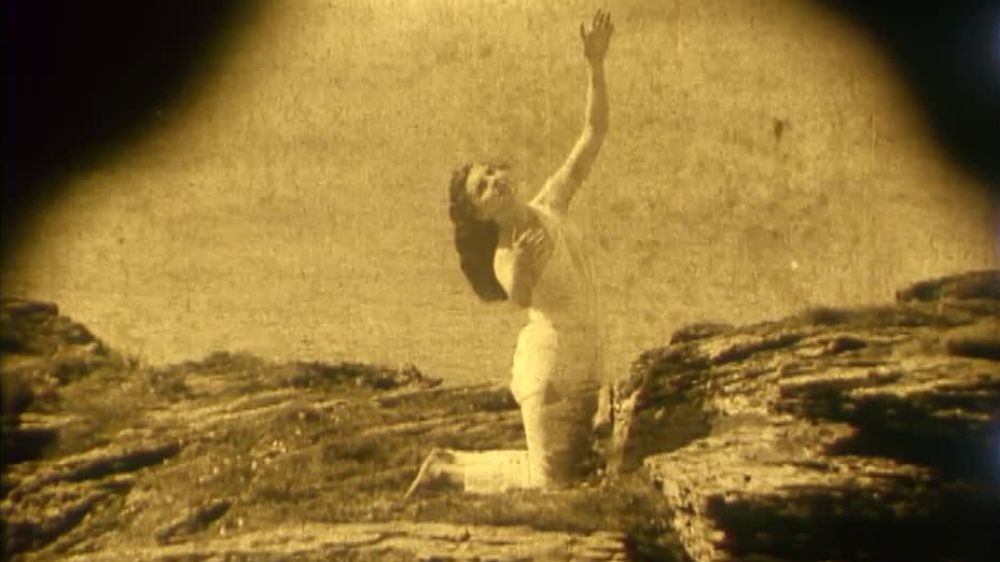
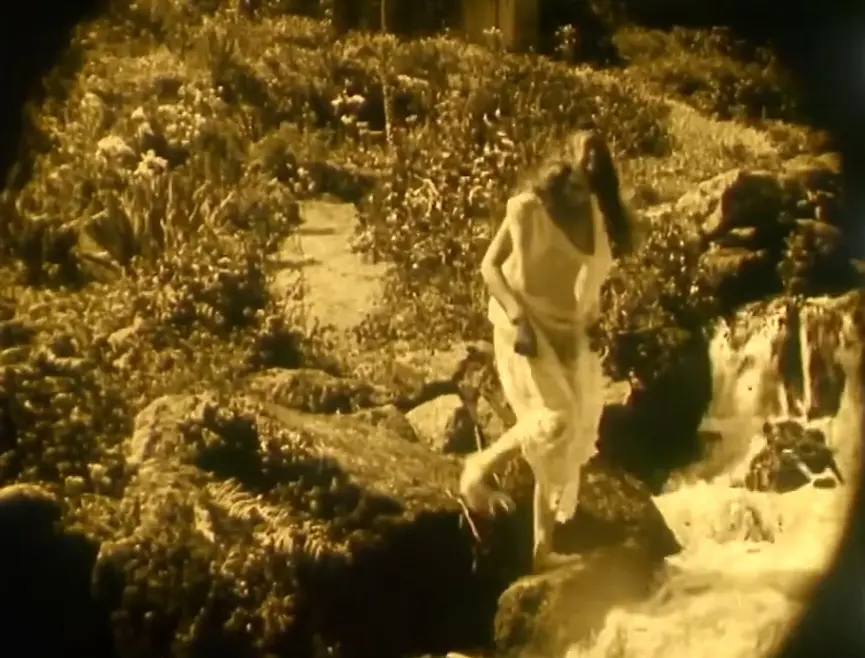
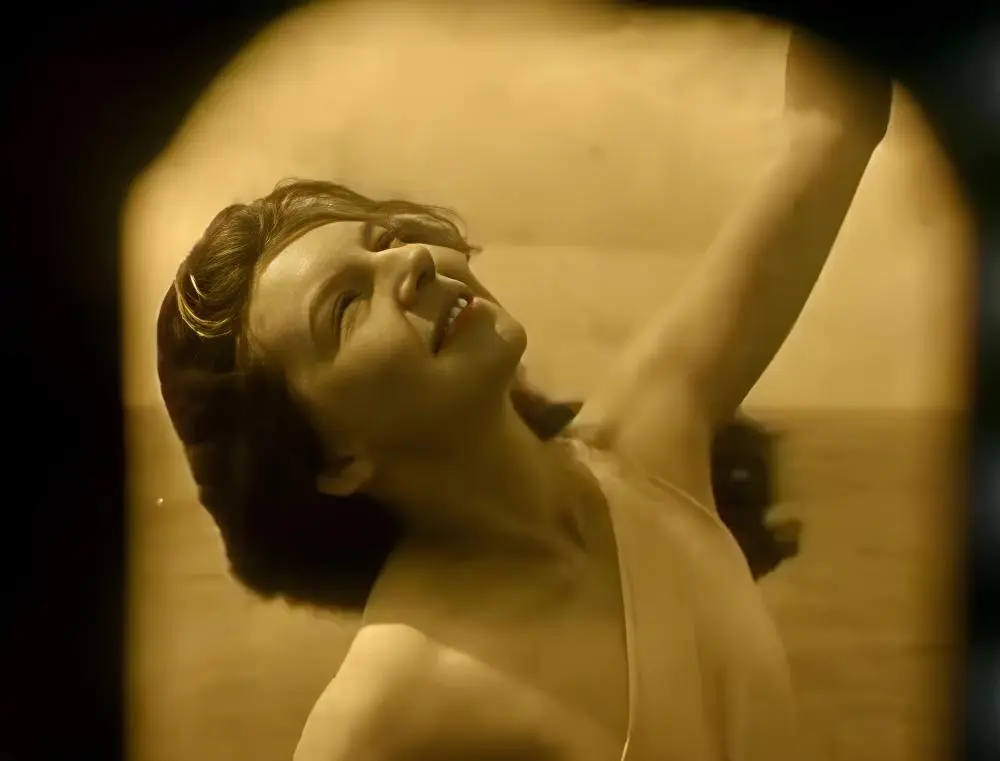
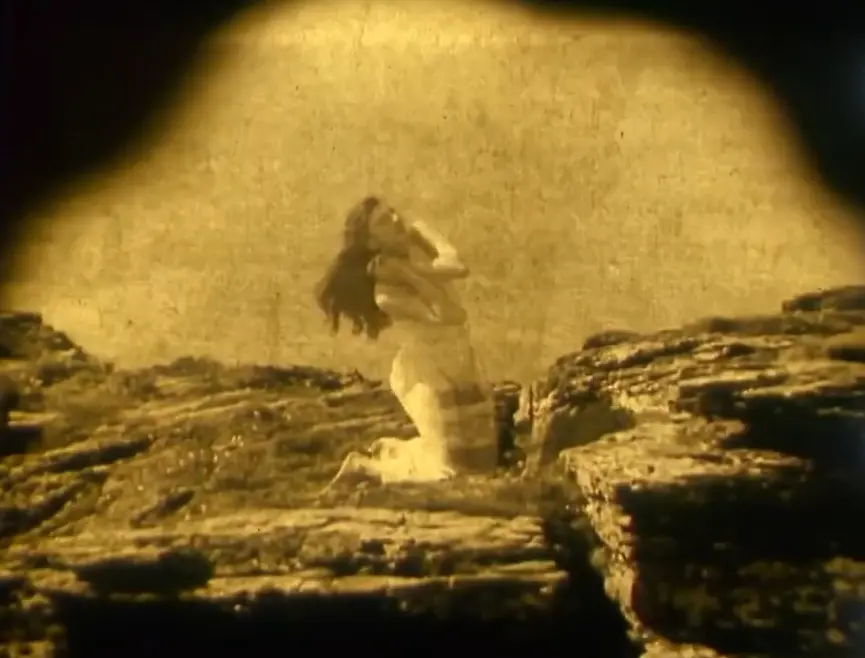
The Chromatic Awakening of Claude Friese-Greene To witness Nude Woman by Waterfall is to step into a time machine that doesn't just travel through years, but through the very evolution of human perception. In an era when the cinematic world was largely defined by the stark contrasts of silver nitrate and shadow, Cla...
still_frame
still_frame
still_frame
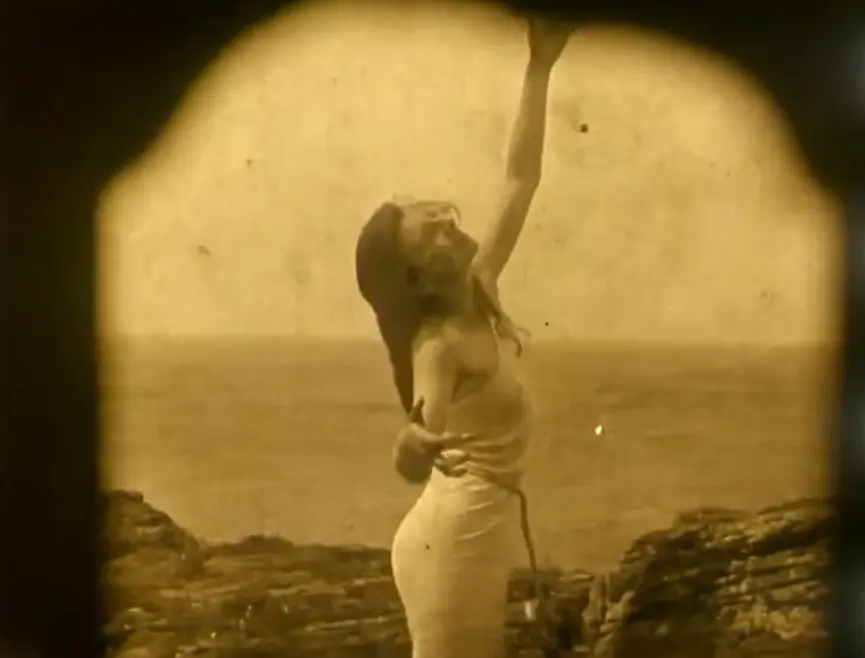
still_frame
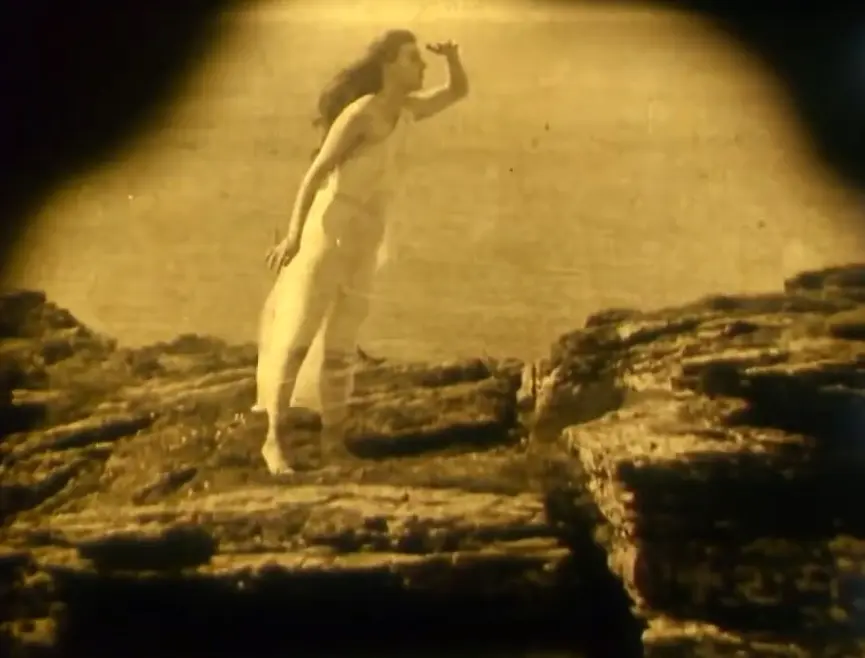
still_frame
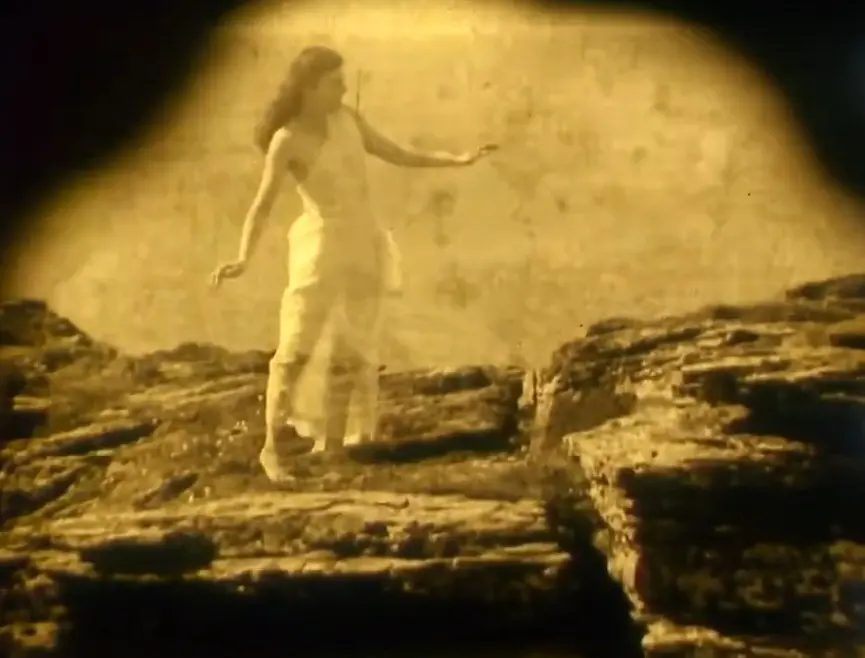
still_frame
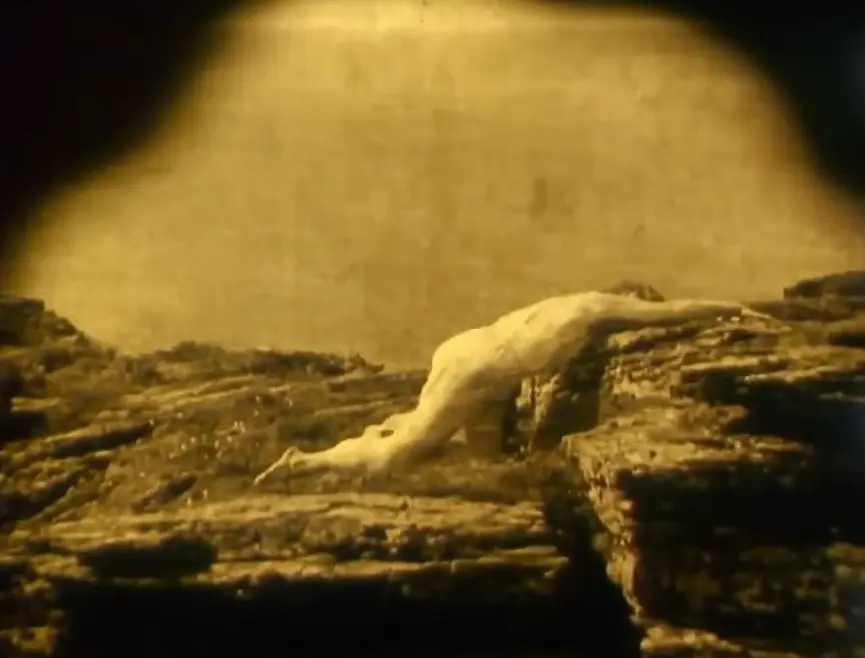
still_frame
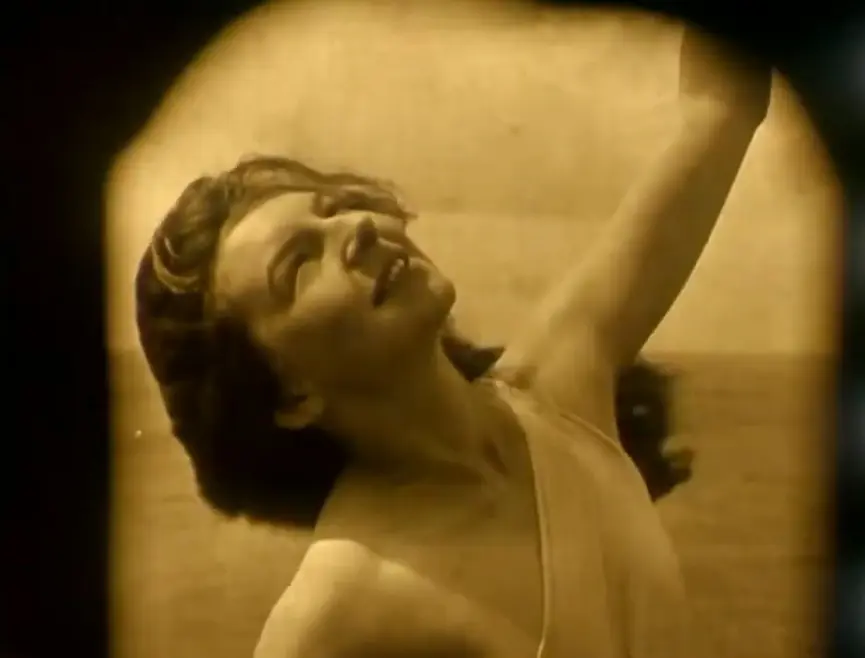
still_frame
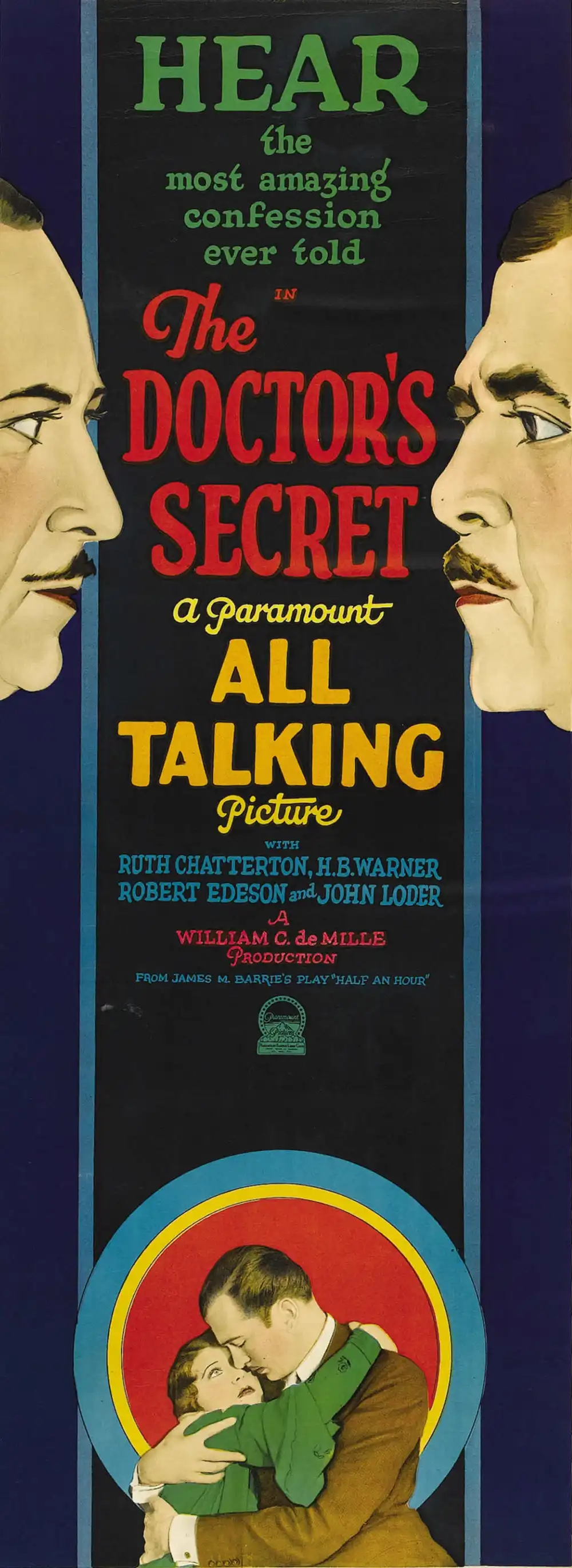

Comparing the cinematic DNA and archive impact of two defining moments in cult history.
Claude Friese-Greene

Unknown Director
Community
Log in to comment.
" The Chromatic Awakening of Claude Friese-Greene To witness Nude Woman by Waterfall is to step into a time machine that doesn't just travel through years, but through the very evolution of human perception. In an era when the cinematic world was largely defined by the stark contrasts of silver nitrate and shadow, Claude Friese-Greene was chasing a ghost: the spectrum. This brief, flickering vignette is not merely an exercise in early eroticism or naturalism; it is a battle cry against the bina..."
Richard Smith

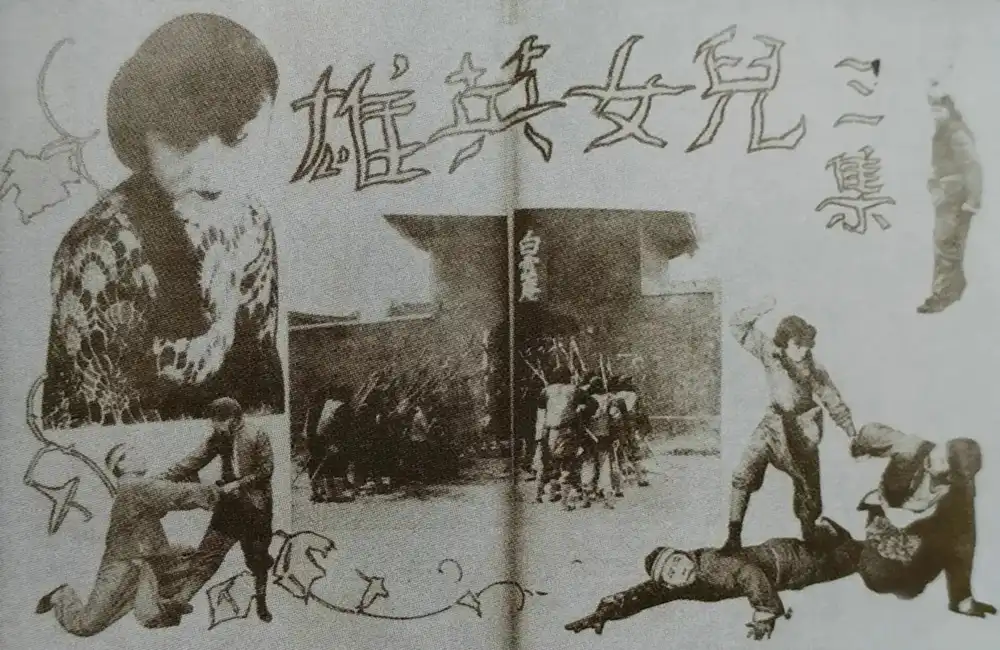
Deep dive into the cult classic
Discover similar cinematic experiences
A Directorial Spotlight on Claude Friese-Greene