O Leão da Estrela Review: Is This Portuguese Silent Gem Worth Your Time?
Is O Leão da Estrela, a relic from Portugal's silent film era, truly worth seeking out in the modern age of cinema? The short answer is yes, but with significant caveats. This film is an essential watch for cinephiles, historians, and anyone fascinated by the genesis of national cinema, offering a unique window into Po...
O Leão da Estrela has an IMDb rating of 7.7 out of 10.
O Leão da Estrela is a movie from Portugal.
O Leão da Estrela is categorised as Short in the cult cinema archive at Dbcult.
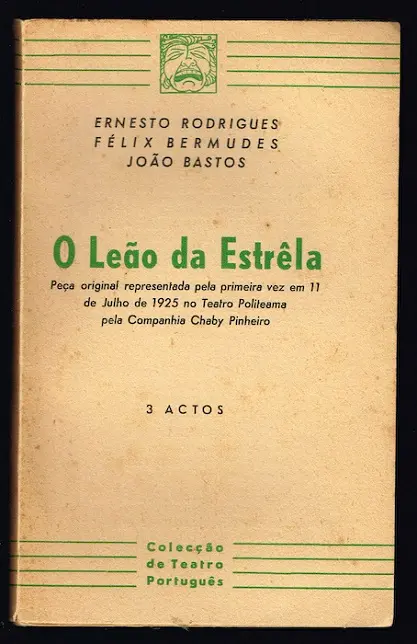
O Leão da Estrela features Chaby Pinheiro.
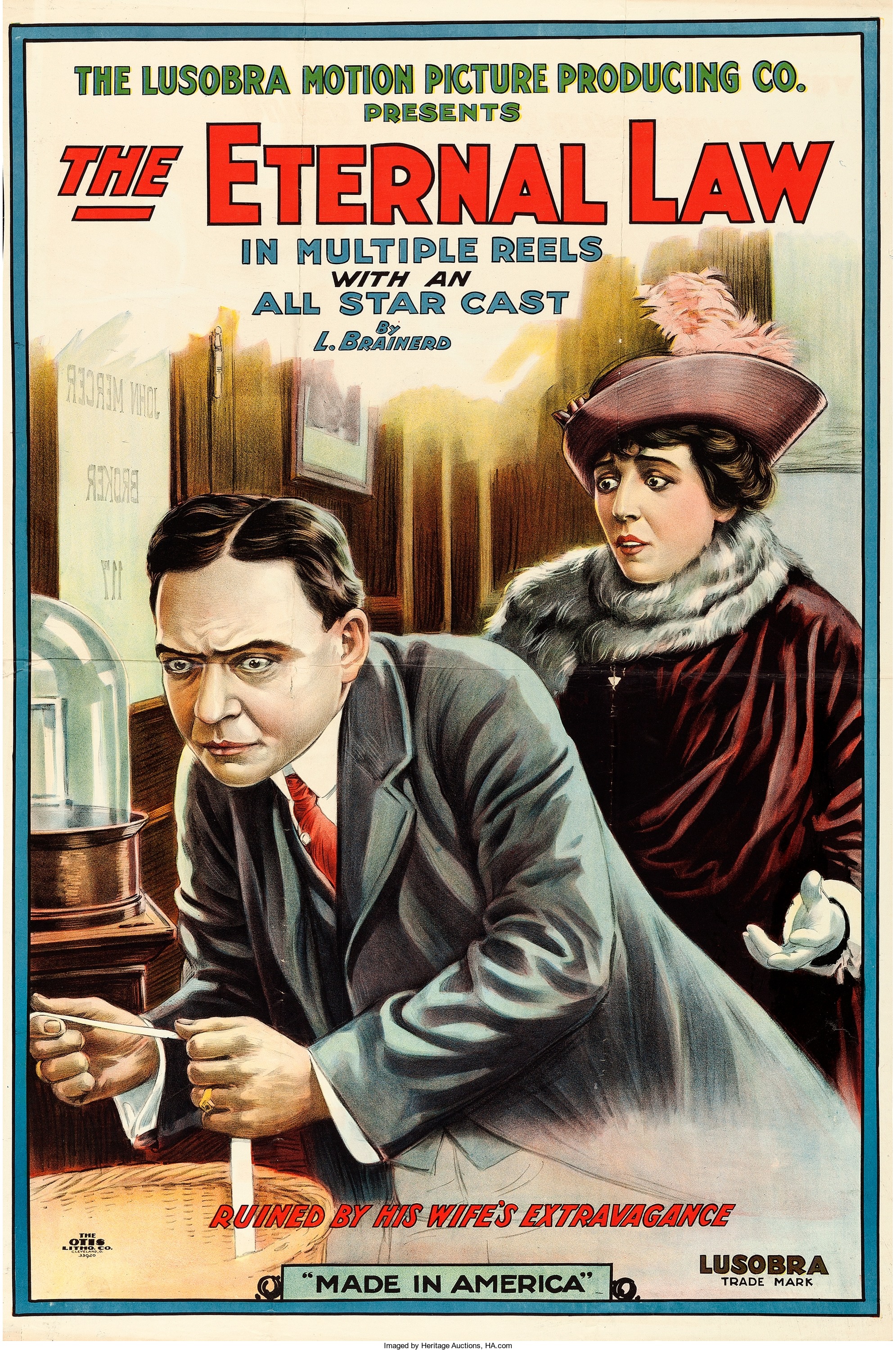
If you enjoy O Leão da Estrela, you might also like The Joe Gans-Battling Nelson Fight (1906), Jeffries-Johnson World's Championship Boxing Contest, Held at Reno, Nevada, July 4, 1910 (1910), The Eternal Law (1910), Life of Christ (1907).
Yes, O Leão da Estrela (1925) is featured in the Dbcult archive as a curated cult cinema title, known for its Short qualities.
In the vibrant heart of Lisbon's Estrela district, Manuel, a man whose formidable presence and unyielding local pride have earned him the moniker 'The Lion of Estrela,' finds his carefully cultivated reputation on the precipice. His daughter's impending marriage to a young man from a more affluent, aristocratic family threatens to expose the endearing, yet chaotic, realities of his humble household. Manuel, ever the proud patriarch, embarks on a series of increasingly elaborate and often farcical stratagems to mask the domestic disarray and present an image of impeccable decorum to his future in-laws. This comedic ballet of errors, driven by Manuel’s well-intentioned but ultimately disastrous efforts, peels back the layers of societal pretense, ultimately revealing the profound strength of family bonds and the inherent charm in embracing one's true self, flaws and all.
Review Excerpt
"Is O Leão da Estrela, a relic from Portugal's silent film era, truly worth seeking out in the modern age of cinema? The short answer is yes, but with significant caveats. This film is an essential watch for cinephiles, historians, and anyone fascinated by the genesis of national cinema, offering a unique window into Portuguese storytelling and performance traditions of the 1920s. However, it is decidedly not for those accustomed to contemporary pacing, intricate narrative complexity, or pristine..."