DbcultAccessing Vault...
Cult Review
Senior Film Conservator
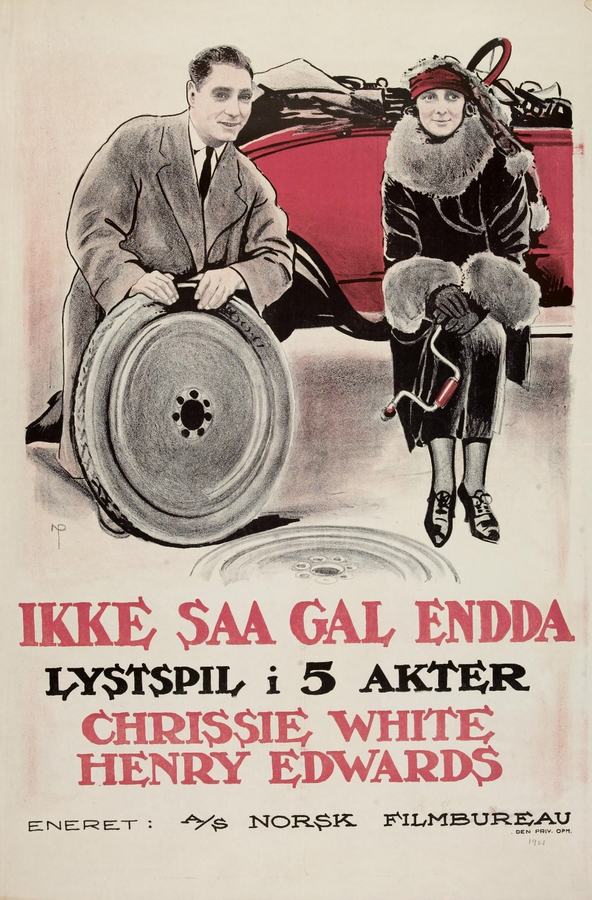
Call it Alice rewritten by the Marquis de Sade’s kinder ghost, or call it the moment British silent cinema kicked the nursery door off its hinges—either way The Lunatic at Large is a champagne bomb of a film that detonates every genteel expectation. Shot on the cusp of 1921, when Europe still tasted cordite in its morning coffee, this anarchic bauble dares to suggest that the only reliable hero is a certified madman.
Our first glimpse of the asylum is a tracking shot that glides past iron gates, past a sign whose serifed letters bleed like fresh stigmata, and lands on Gwynne Herbert’s matron—her face a cameo brooch of moral constipation. She believes order is a corset; the film believes otherwise. Enter Hugh Clifton as Beresford E. Beresford, heir to a coal fortune and to every delusion that ever pirouetted across a child’s nursery wallpaper. Clifton plays him like a violin strung with cobwebs: eyes too wide, smile too bright, fingers forever conducting an invisible orchestra. When he escapes—via a laundry basket, a fountain pen, and a nurse’s stolen garter—he does not flee so much as saunter toward the horizon with the confidence of a man who has already rewritten the horizon in watercolors.
The plot, ostensibly a lark about rescuing a damsel from an aristocratic cad, mutates into something closer to a surreal confession. The Danish baron, essayed by James Annand, arrives with a monocle that catches light like a guillotine blade; he is every continental smoothie who ever bowed a little too deeply over a debutante’s glove. His scheme is mercenary marriage; the lunatic’s scheme is nothing so mercenary as salvation. Salvation, here, is a by-product of whimsy.
Director George Dewhurst, co-writing with novelist J. Storer Clouston, refuses the safety net of slapstick. Yes, there are Keystone-adjacent chases through Piccadilly, but they’re scored (in the current restoration) by a waltz that keeps slipping into a minor key, as though the orchestra itself suspects the joke will end in tears. A drunken sequence inside a wax museum prefigures Hitchcock’s Blackmail by eight years: mannequins swivel their heads, the baron’s reflection fractures across a hundred glass eyes, and for a heartbeat we cannot tell resin from flesh. The moment is pure uncanny valley, served on a cracked Sèvres plate.
At the film’s molten core sits Chrissie White as Lady Rowena Sackville, a porcelain heiress whose fragility is a ruse as deliberate as the baron’s accent. Watch her eyes when the lunatic recites Jabberwocky backwards—there is a flicker not of fear but of recognition, as though she has waited her whole debutante life for someone who speaks nonsense fluently. Their chemistry is less romantic spark than static electricity: you sense that if they ever consummated the picture would combust.
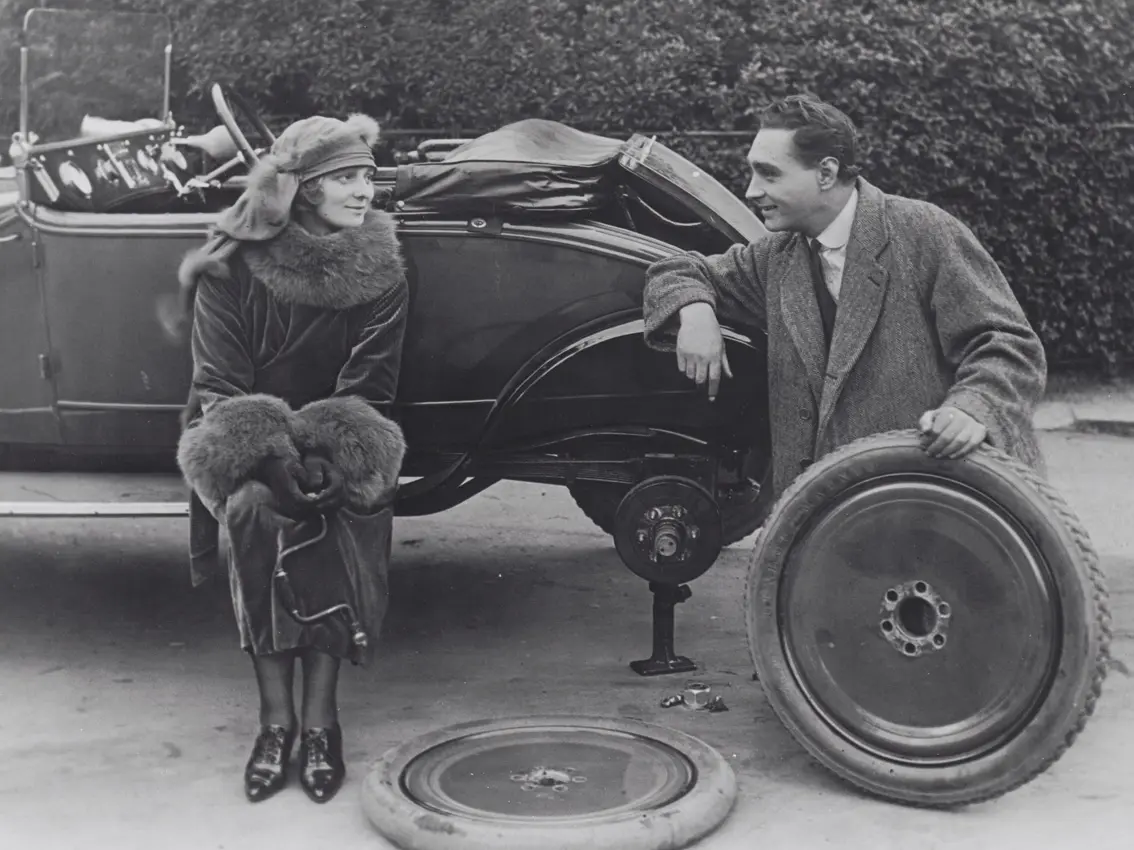
Cinematographer Henry Edwards (pulling double duty as a stuffy magistrate) lenses London like a fever dream. Fog isn’t weather; it’s a character that gulps down streetlamps and exhales them as jellyfish. The balloon sequence—yes, stitched from nursery curtains and lifted by a fireworks crate—floats above a Thames the color of absinthe. The tinting, restored by BFI artisans, oscillates between arsenic green and rose madder, as though the print were blushing and bruising in real time.
“I have measured my sanity in teaspoonfuls,” the hero confesses to the moon, “and I find it overflows.” That line, absurd on paper, lands with the thud of gospel thanks to Clifton’s tremulous vibrato—half Rupert Brooke, half music-hall tragedian.
The supporting cast pop like fireworks. P.K. Esdaile plays a Scotland Yard inspector who keeps a butterfly net in his umbrella; John MacAndrews is a vicar convinced the apocalypse will arrive by taxi. They orbit the central trio like planets drunk on their own moons. Even the intertitles—hand-lettered with ink that resembles dried blood—refuse neutrality. One card reads: “Love is the soft impeachment; madness the character witness.” Try finding that in a 21st-century screenplay.
Yet the film’s boldest gambit is structural. It withholds the conventional third-act restoration of order. The asylum gate does not clang shut on our hero; instead, the baron is packed off to Copenhagen in a cargo crate labeled “Live Tigers,” and the lunatic saunters into the sunrise arm-in-arm with Rowena, both humming a tune in a key only they can hear. The last intertitle, superimposed over a rising sun tinted the shade of dark orange, states: “The world is large enough for those who are larger than the world.” Cue iris-out. No moral, no medication, no marriage bells—just the promise that wonder, once unshackled, refuses re-imprisonment.
Compare this to Blind Love’s punitive ending or the patriarchal re-corseting typical of the era, and you realize how transgressive Dewhurst’s finale felt to Jazz-age audiences weaned on Dickensian comeuppance. The BBFC’s 1921 report sniffed about “flippancy toward institutional authority,” which is Edwardian bureaucratese for “we’re terrified audiences might enjoy chaos.”
Technically, the 2023 2K restoration—scanned from a Dutch print discovered in a Rotterdam soup tureen—reveals textures previously smothered: the herringbone weave of Clifton’s waistcoat, the cobweb fracture on a wineglass from which the baron sips. The amber-hued ballroom sequence now glimmers like cognac held to candlelight, while the nocturnal rooftop chase is steeped in sea-blue tint that makes London feel submerged. Composer John Sweeney’s new score, performed on a 1919 Wurlitzer, interpolates Clair de Lune with music-hall romps, achieving the same tonal whiplash the narrative cherishes.
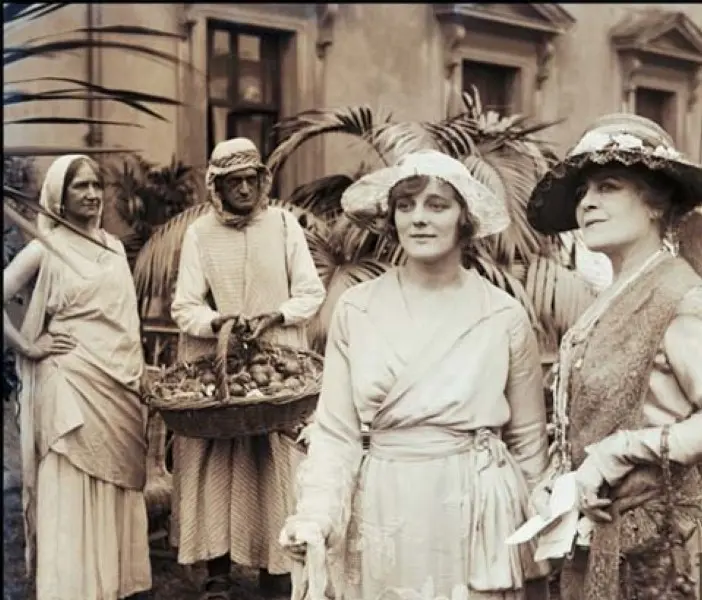
Performances? Herbert’s matron is a masterclass in micro-aggression: every time she adjusts her pince-nez you hear the rasp of authority scraping against possibility. Annand’s baron oozes oleaginous charm—watch how he kisses Rowena’s gloved hand yet lets his thumbnail graze her wrist, a predator marking terrain. But it is Clifton who haunts, a Pierrot with a trust fund, pirouetting along the parapet between terror and exaltation. When he cries, the tears look like misplaced diamonds.
Contemporary resonance? Consider how modern cinema medicates its outsiders—Good Will Hunting hugs the pain away, Silver Linings rom-coms the bipolarity into date-night fodder. The Lunatic at Large refuses therapy culture; it proposes that lunacy might be a sane response to a world busy shell-shocking itself. In an age when algorithms curate our every dopamine hit, Beresford’s moon-struck generosity feels revolutionary.
Flaws? A few. The middle act’s balloon escape drifts too close to farce for some palates, and Rowena’s pivot from captive to co-conspirator could use an extra scene. Yet these are hairline cracks in a Lalique vase—visible only because the rest shimmers so flawlessly.
Bottom line: if you crave a silent that doesn’t behave like one—no fainting virgins, no mustache-twirling landlord—book a ticket to this asylum break. It will hijack your lexicon of sanity and leave you measuring your own teaspoonfuls long after the sun-tinted finale. Stream it, buy the Blu-ray, project it on a brick wall during a thunderstorm; just don’t expect to sleep untroubled by the possibility that your most rational choice might be to dance with the lunatic, should he ever again slip the gate.
—Review by a devoted nitrate-sniffing cine-masochist who has already watched it thrice since breakfast.
IMDb —
1914
Community
Log in to comment.