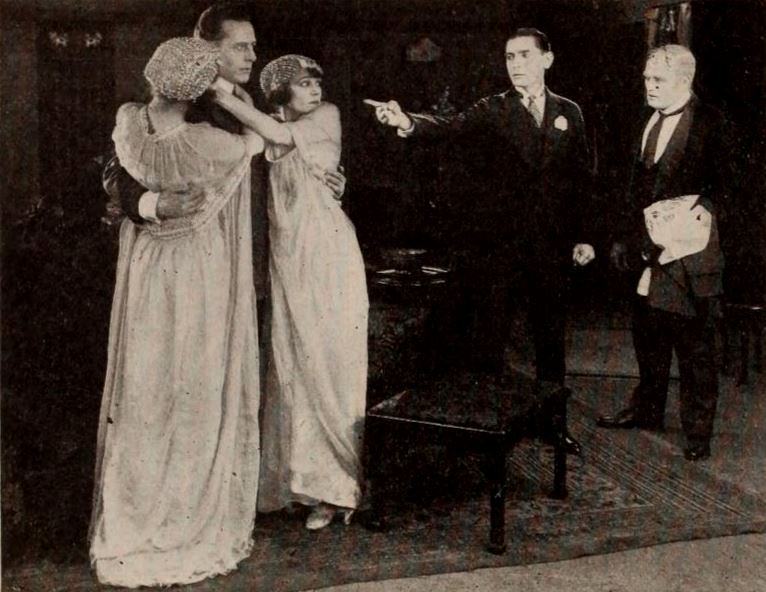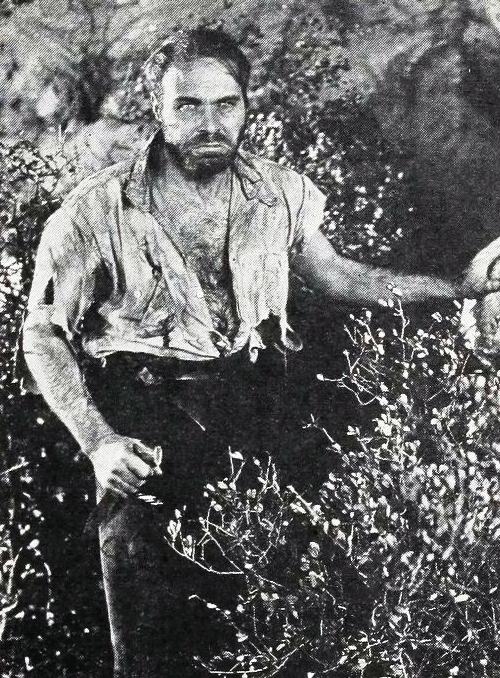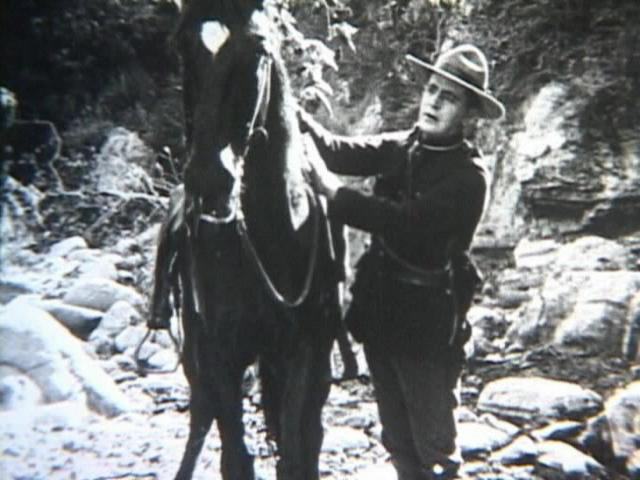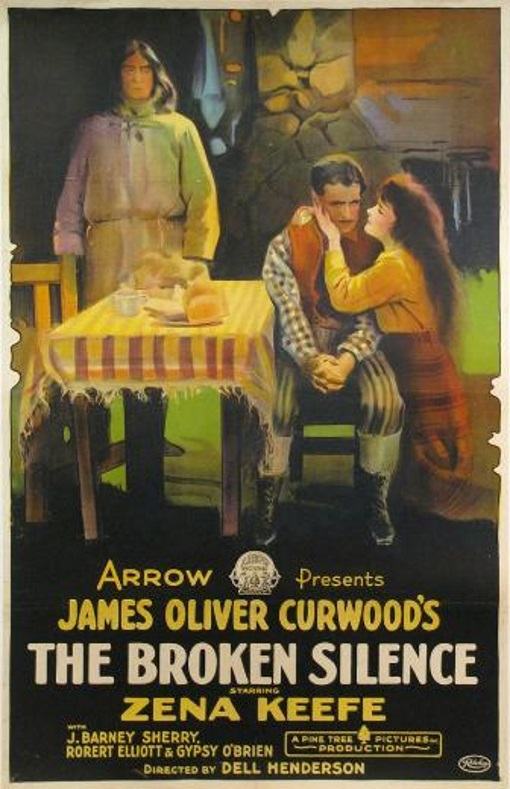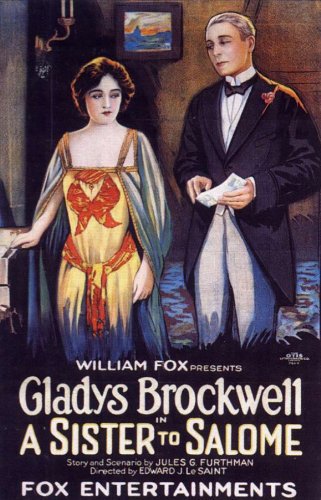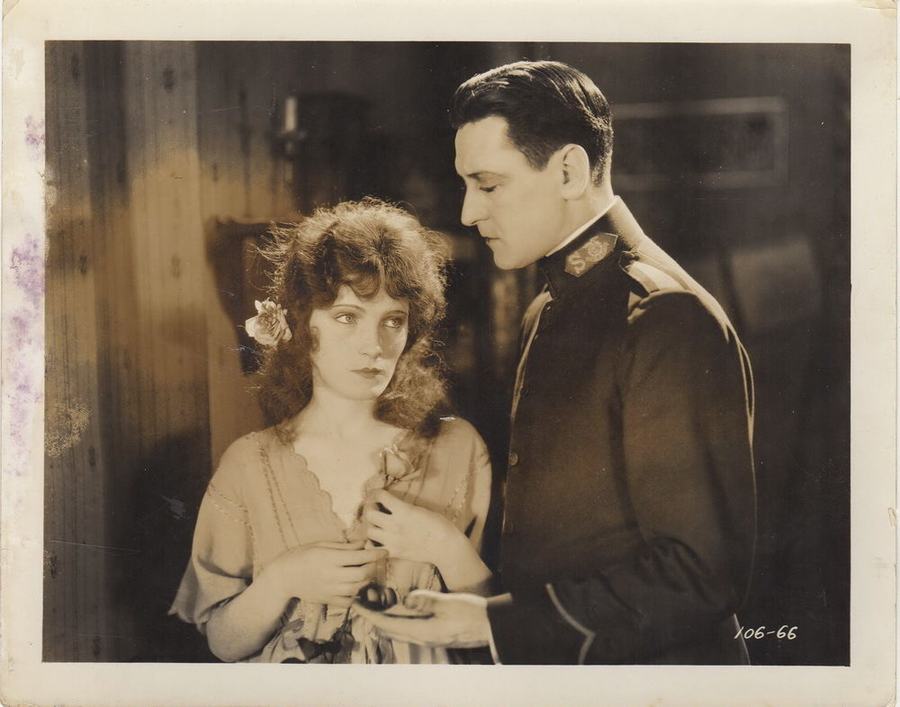
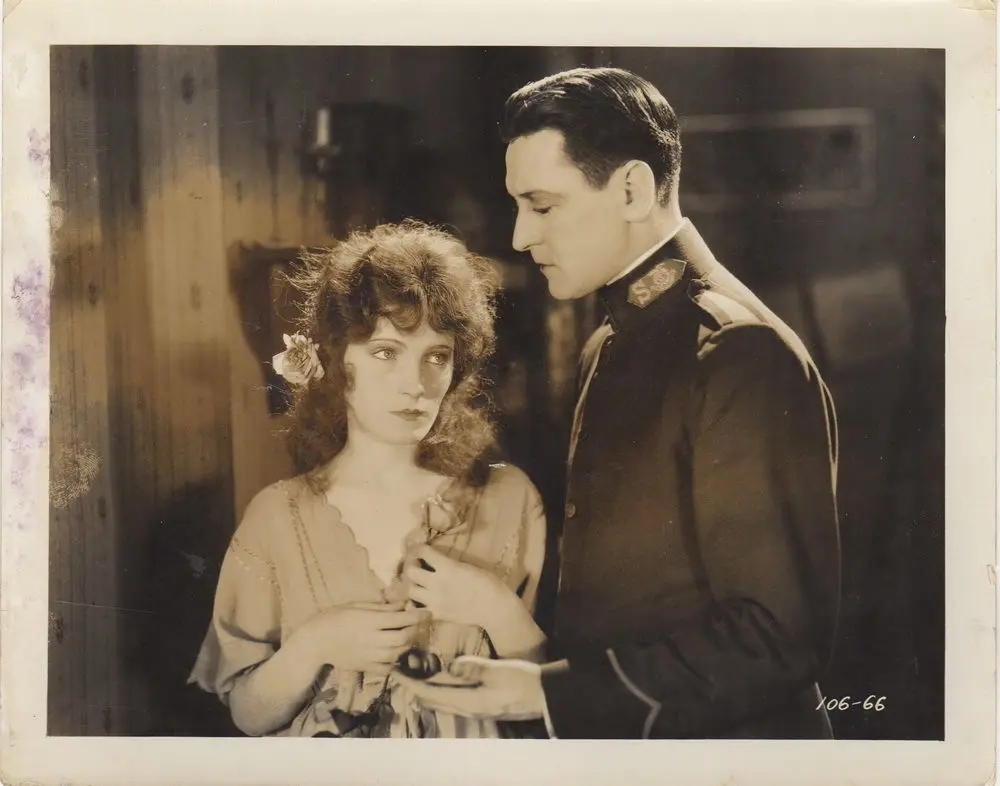
Young Nell loses her job and home and her father is sent to prison. She joins the Salvation Army and tries to redeem him when he comes out bent on continuing his life of crime.
The year 1921 stands as a pivotal interstice in the evolution of American cinema, a period where the primitive flickers of the nickelodeon were rapidly being supplanted by a sophisticated narrative architecture. Within this landscape, Salvation Nell emerges not merely as a relic of the silent era, but as a searing indi...
still_frame
Comparing the cinematic DNA and archive impact of two defining moments in cult history.
Kenneth S. Webb
Kenneth S. Webb
Community
Log in to comment.
"The year 1921 stands as a pivotal interstice in the evolution of American cinema, a period where the primitive flickers of the nickelodeon were rapidly being supplanted by a sophisticated narrative architecture. Within this landscape, Salvation Nell emerges not merely as a relic of the silent era, but as a searing indictment of social inequity and a testament to the transformative power of grace. Adapted from the stage play by Edward Sheldon, with a screenplay meticulously crafted by Dorothy Far..."
William Nally
Edward Sheldon, Dorothy Farnum
United States