DbcultAccessing Vault...
Cult Review
Senior Film Conservator
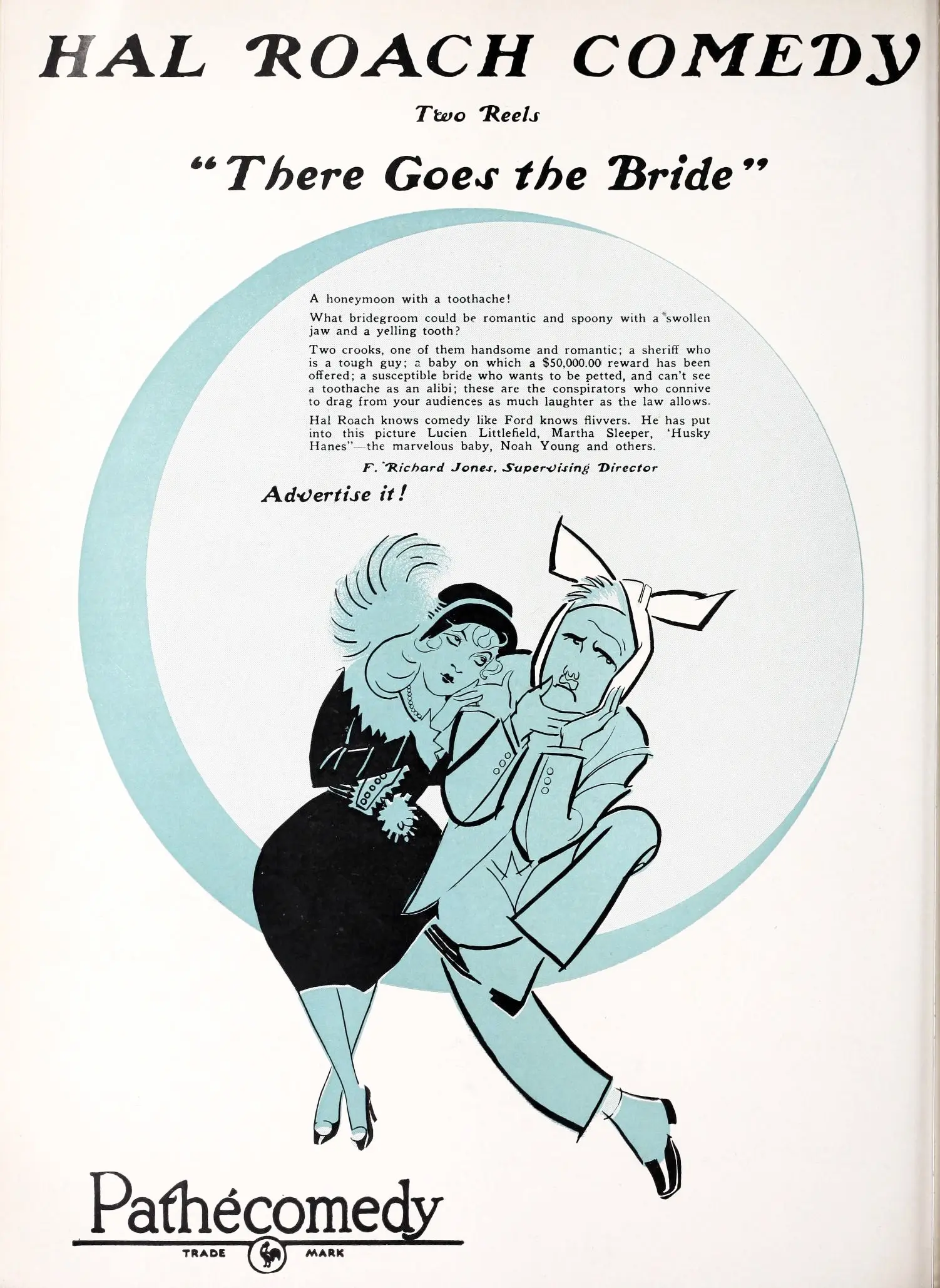
Is There Goes the Bride (1925) worth watching today? Short answer: yes, but primarily for those who can stomach the relentless, unyielding pace of silent-era slapstick. This film is a definitive artifact for fans of the Hal Roach school of comedy, while it will likely alienate modern viewers who require a narrative that breathes. It is a film for the historians of humor and those who find beauty in the choreographed chaos of a century ago.
Yes, There Goes the Bride is worth watching if you want to see a masterclass in physical timing. It isn't a deep film, but it is a fast one. If you enjoy seeing the roots of modern situational comedy, this is a necessary watch. However, if you are looking for character development, look elsewhere. This film is built on movement, not emotion.
1) This film works because Martha Sleeper possesses a comedic elasticity that few of her contemporaries could match.
2) This film fails because the plot is essentially a thin clothesline designed only to hang gags on, leading to a repetitive second act.
3) You should watch it if you appreciate the frantic, low-stakes energy of 1920s short-form cinema.
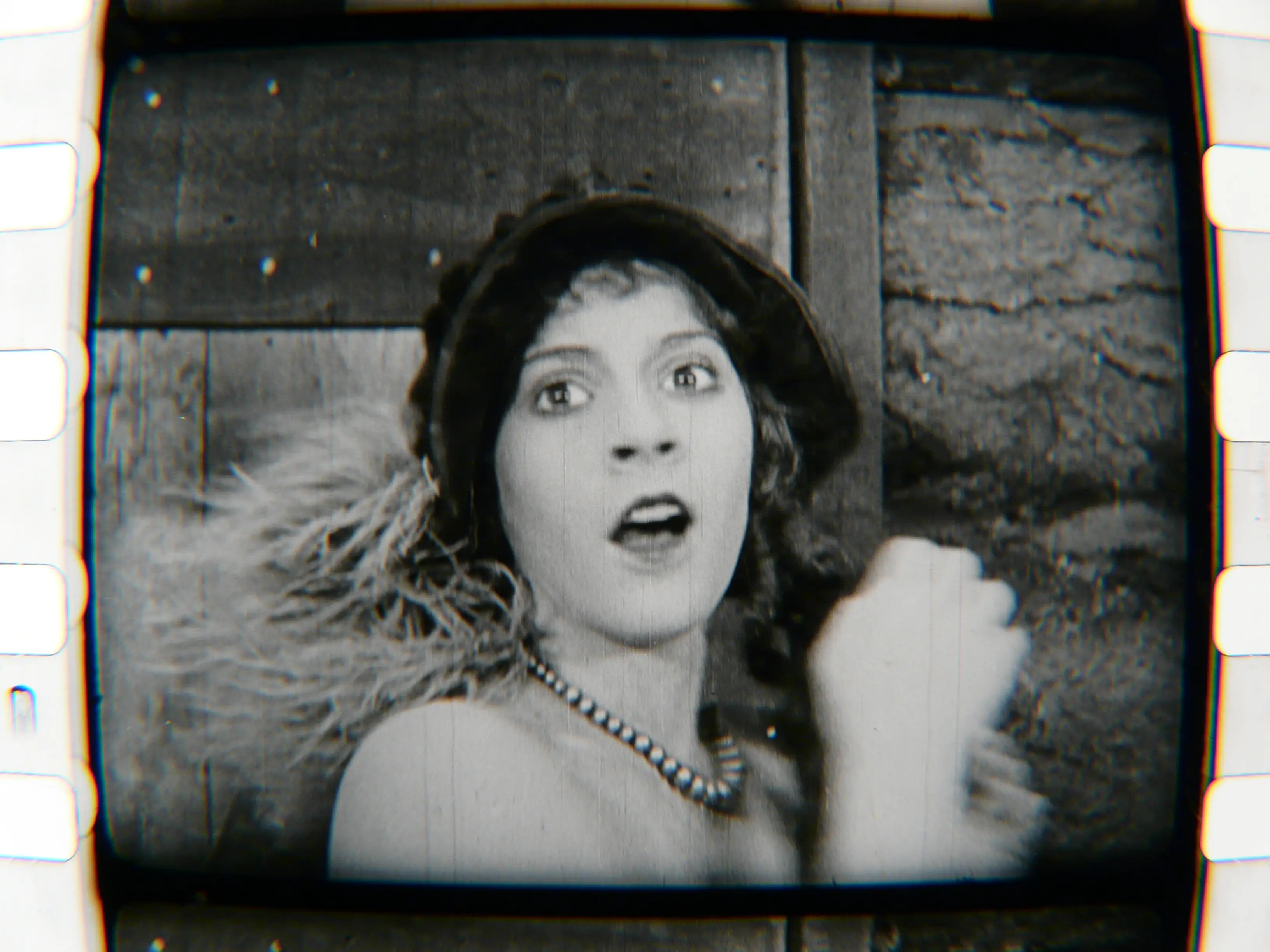
In 1925, the comedy world was largely a boys' club. While stars like Chaplin and Keaton took the spotlight, Martha Sleeper was doing the heavy lifting in Roach shorts. In There Goes the Bride, Sleeper isn't just a prop in a white dress. She is the engine. Her performance is a reminder that the 'damsel in distress' was often the one causing the most damage.
Take the scene where she first realizes the wedding is going south. Most actresses of the time would have leaned into melodrama. Sleeper leans into a wide-eyed, frantic athleticism. She uses her entire body—shoulders, neck, and feet—to convey a sense of impending doom. It’s punchy. It’s direct. It works. She manages to make the absurdity of a baby-related mix-up feel like a life-or-death scenario, which is the secret sauce of all great slapstick.
Comparing this to something like Tillie's Punctured Romance reveals how much the genre had tightened by 1925. Where earlier films felt like a series of disconnected stage acts, There Goes the Bride has a rhythmic, almost musical quality to its editing. Hal Roach’s influence is everywhere. The gags don't just happen; they escalate. A small misunderstanding about a suitcase leads to a full-scale riot.
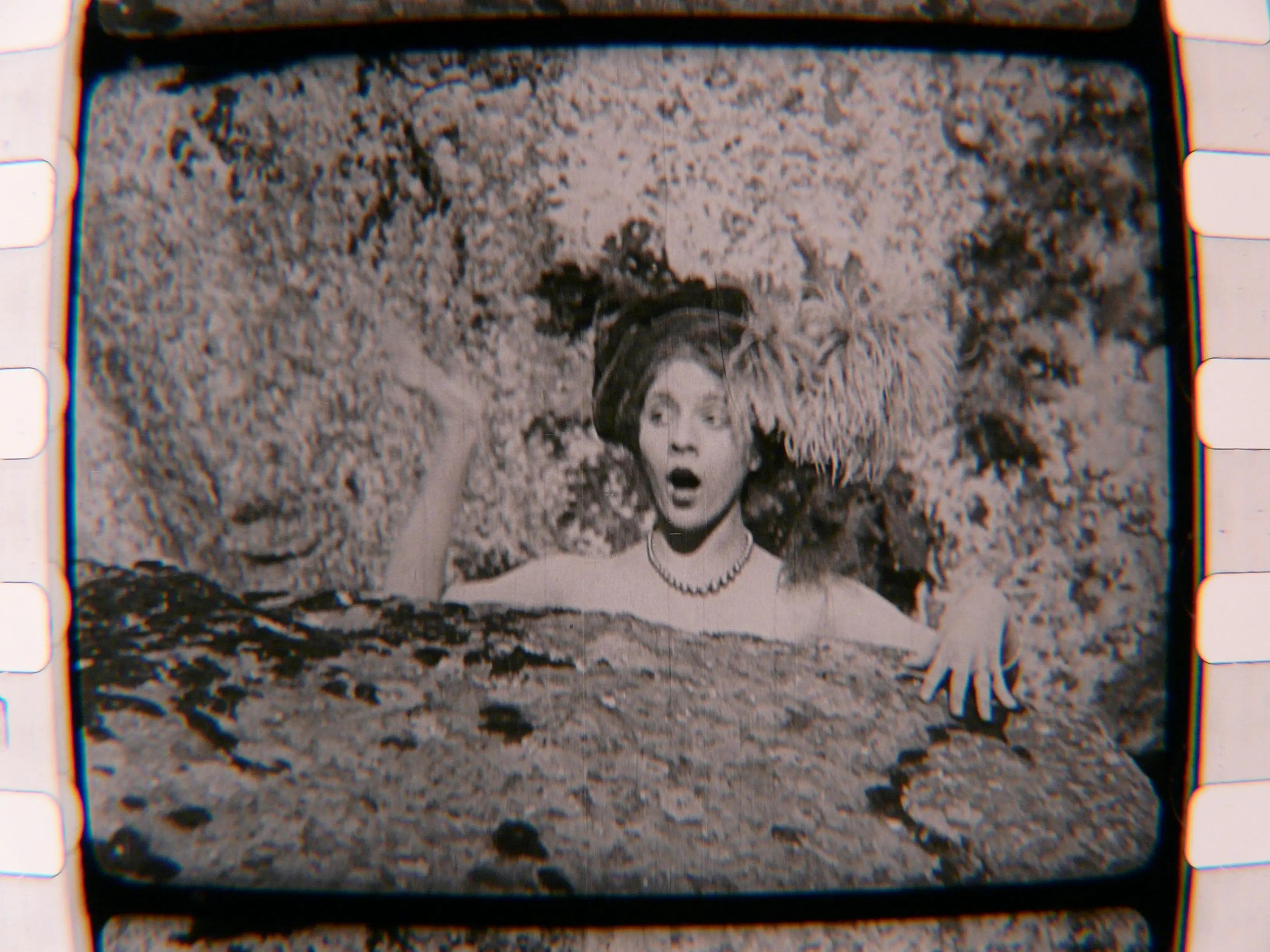
The film lacks the atmospheric weight of The Tigress, but it replaces mood with pure, unadulterated velocity. The cinematography is functional, serving the movement of the actors rather than trying to create art. However, there is a specific shot during the street chase that captures the scale of the city in a way that feels surprisingly modern. The camera stays low, making the wedding dress look like a white flag of surrender waving in a sea of grey suits.
Walter Long and Noah Young provide the necessary friction for Sleeper to bounce off of. Long, often cast as the heavy, brings a surprisingly light touch here. His interactions with the child in the film are highlights of physical comedy. It’s a stark contrast to the more serious roles seen in films like The Pretty Sister of Jose.
The pacing of their scenes is breakneck. There is a moment involving a ladder that feels like a precursor to the grander stunts of the 1930s. It’s simple. It’s brutal. It’s effective. The film doesn't waste time on dialogue cards. It trusts the audience to follow the visual cues. This is silent storytelling at its most confident, even if the story itself is paper-thin.
The tone of There Goes the Bride is one of controlled hysteria. The pacing is its greatest strength and its most glaring flaw. By the twelve-minute mark, the film has reached a fever pitch that it struggles to maintain. Unlike Way Out West, which balances its humor with a sense of place, this film is untethered from reality. It exists in a vacuum of gags.
The lighting is flat, typical of the era's comedies, but the clarity of the print (if you can find a restored version) is remarkable. You can see the sweat on the actors' faces. This adds a layer of visceral reality to the absurdity. It’s not a 'visually stunning' film in the traditional sense, but it is a visually honest one. It shows the hard work of comedy.
Pros:
- Exceptional physical performances from the entire ensemble cast.
- Historical value as a prime example of the Hal Roach style.
- Short runtime ensures the film doesn't overstay its welcome.
- Innovative use of urban locations for chase sequences.
Cons:
- The plot is virtually non-existent.
- Some gags are repetitive and predictable.
- The film lacks the emotional resonance of contemporary masterpieces.
Here is a thought: There Goes the Bride is secretly a horror movie for the 1920s socialite. If you strip away the funny music and the fast-motion editing, you have a woman whose social standing is being destroyed in real-time by a series of uncontrollable events. It’s an anxiety dream captured on celluloid. This subtext gives the film a frantic edge that separates it from the more whimsical The Fate of a Flirt.
1925 was a pivotal year. We saw the release of epic dramas and the refinement of the short subject. While films like The Rescue were pushing narrative boundaries, There Goes the Bride was perfecting the 'gag-per-minute' ratio. It’s a reminder that cinema has always had a place for the 'popcorn' flick. This wasn't meant to be high art; it was meant to make people laugh in a dark room for twenty minutes. It succeeded then, and it mostly succeeds now.
When compared to other shorts of the period like Kicked About, Sleeper's film feels more professional, more polished. The Roach studio had a way of making chaos look expensive. The costumes, the cars, and the sets all feel substantial, which only makes the eventual destruction of them more satisfying.
There Goes the Bride (1925) is a frantic, flawed, and fascinating slice of silent comedy. It doesn't have the soul of Chaplin, but it has the speed of a freight train. Martha Sleeper is the reason to watch. She is a firecracker in a wedding dress. The film is a loud, messy, and joyful explosion of slapstick. It works. But it’s flawed. It’s a relic, but one that still has plenty of shine if you’re willing to look past the dust of a century. It’s a solid 7/10 for silent film buffs and a curious 5/10 for everyone else. Watch it for the history, stay for the chaos.
IMDb 6.1
1923
Community
Log in to comment.