Summary
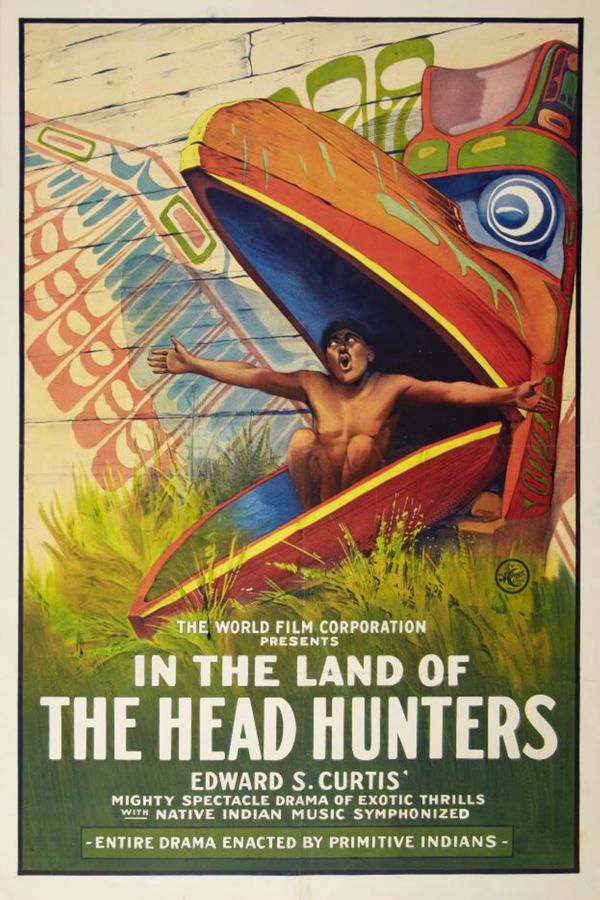
In 'Seeing America,' the cinematic lens meticulously tracks the monumental, decades-long odyssey of Edward S. Curtis, a figure both revered and reviled, as he embarks upon his ambitious, often fraught, endeavor to photographically document the vanishing cultures of Native American tribes at the turn of the 20th century. The film is less a straightforward biopic and more a contemplative excavation into the very act of seeing and being seen, questioning the gaze of the ethnographer and the agency of the subjects. We witness Curtis's initial, almost messianic, fervor, fueled by a romanticized vision of a pristine past, juxtaposed against the harsh realities of reservation life and the profound cultural dislocations he encountered. The narrative unfolds through a compelling blend of archival stills, evocative re-enactments, and deeply reflective voice-overs, tracing the sheer physical and financial tribulations of his project, 'The North American Indian.' From the misty Pacific Northwest to the sun-baked mesas of the Southwest, the film immerses us in the intricate dance between preservation and appropriation, revealing how Curtis’s art, while offering an invaluable visual record, simultaneously froze and reinterpreted indigenous identities through a distinctly Western, often melancholic, filter. It delves into the complex relationships Curtis forged, some built on trust and collaboration, others tinged with manipulation, highlighting the inherent power imbalances of his mission. Ultimately, 'Seeing America' is a poignant, multifaceted inquiry into legacy, representation, and the enduring, often uncomfortable, dialogue between historical documentation and cultural truth, leaving the viewer to grapple with the ethics of an artistic pursuit that sought to capture a soul, yet risked sealing it within a gilded cage of memory.
Review Excerpt
"
The cinematic landscape often presents us with works that dare to grapple with the titanic figures of history, those whose endeavors reshaped our understanding of an era, a people, or even an entire continent. 'Seeing America' is precisely such a film, not merely chronicling the life of Edward S. Curtis but immersing us in the very crucible of his monumental, often morally ambiguous, photographic undertaking. It’s a journey that transcends simple biography, blossoming into a profound medita..."