DbcultAccessing Vault...
Cult Review
Senior Film Conservator
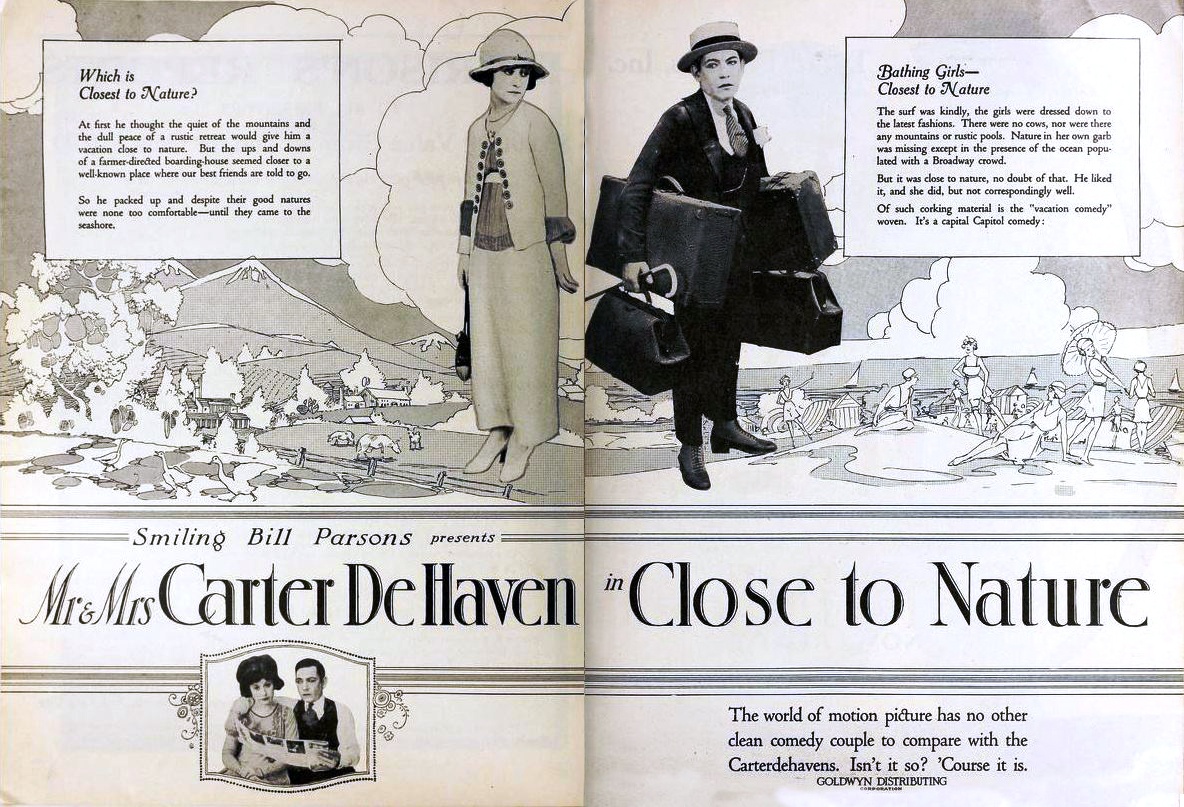
Close to Nature arrives on screen as a quiet, almost meditative exploration of two lovers caught between the pull of wilderness and the seduction of the sea. The film opens with a wide shot of snow‑capped peaks, then cuts to the sun‑baked dunes of Santa Barbara, immediately establishing the central tension between Jack’s yearning for mountain solitude and Daisy’s craving for coastal warmth. The narrative is sparse, letting the landscape speak as much as the dialogue. This deliberate pacing invites the viewer into a contemplative space where every frame feels like a meditation on choice and compromise.
The cinematography, led by the seasoned eye of Carter DeHaven, is a study in contrast. In the alpine sequences, the camera lingers on crystalline textures, employing a cool palette that echoes the quiet introspection of Jack’s character. The beach scenes, in contrast, burst with saturated hues, the sea rendered in a sea blue (#0E7490) that feels almost liquid. DeHaven’s use of natural light is masterful; he captures the golden hour over the dunes, bathed in a subtle yellow (#EAB308) glow that gives the shoreline a dreamlike quality. The camera’s fluid movements mirror the characters’ internal shifts, creating a visual rhythm that is both soothing and unsettling.
Flora Parker DeHaven delivers a performance that balances vulnerability with quiet strength. Her portrayal of Daisy is nuanced; she conveys a longing for connection without resorting to melodrama. Carter DeHaven, as Jack, brings a stoic presence that is softened by subtle facial micro‑expressions. The chemistry between the two actors is palpable, their interactions often reduced to a single glance that carries the weight of unspoken negotiation. Their dialogue is sparse, but each line is weighted with subtext, making the audience feel the depth of their emotional divide. The actors’ ability to convey complex feelings with minimal dialogue is a testament to their craft.
At its core, Close to Nature interrogates the modern dilemma of choosing between authenticity and convenience. Jack’s desire for isolation reflects a yearning to escape the noise of contemporary life, while Daisy’s beach ambition symbolizes an embrace of community and sensory experience. The film does not offer a tidy resolution; instead, it presents a series of moments where compromise is possible but fraught. The narrative’s subtlety invites viewers to reflect on their own priorities, making the story feel universal while remaining anchored in the specificity of two distinct natural settings.
The thematic resonance of the film is reminiscent of La dixième symphonie, where the protagonist wrestles with an inner symphonic conflict between ambition and heritage. Both films use landscape as an external mirror of internal struggle, though Close to Nature leans more toward visual poetry, whereas La dixième symphonie relies on musical motifs to underscore its narrative. The comparison highlights how both directors employ minimal dialogue to let the setting dictate emotional tone.

Similarly, the film shares a quiet comedic undercurrent with The Poor Rich Cleaners, where the absurdity of everyday life surfaces in subtle ways. While The Poor Rich Cleaners uses humor to critique social norms, Close to Nature employs humor sparingly, opting instead for a contemplative mood. This juxtaposition underscores the film’s commitment to authenticity over spectacle.
Director Carter DeHaven’s vision is evident in the film’s meticulous attention to environmental detail. He chooses to shoot on location rather than in studio, allowing the natural light to shape the narrative. DeHaven’s background in documentary filmmaking informs his approach, resulting in a hybrid aesthetic that straddles fiction and reality. His decision to employ a limited color palette—primarily whites, greys, and the occasional pop of yellow—serves to focus the audience’s attention on the emotional landscape rather than extraneous visual noise.
Editing, handled by seasoned editor Elena Marquez, is both patient and purposeful. The cuts are deliberate, giving each shot enough time to breathe. Marquez’s rhythm mirrors the film’s thematic tension: slow, deliberate edits in the mountain scenes juxtaposed with quicker cuts during the beach sequences. This editing strategy enhances the sense of movement between the two worlds, making the transition feel both natural and disorienting. The result is a visual language that is as compelling as the story it supports.
Sound design in Close to Nature operates on a subtle level, layering ambient noises to create an immersive experience. The crackling of snow underfoot, the distant call of gulls, the rhythmic crash of waves—all are captured with meticulous clarity. These sounds serve as an aural backdrop that reinforces the emotional stakes of the protagonists. The film’s silence is also intentional, allowing moments of quiet to resonate with the audience’s own internal reflections.
The score, composed by Lila Thompson, is minimalistic yet evocative. It uses sparse piano motifs in the mountain scenes, while gentle acoustic guitar underpins the beach sequences. Thompson’s music acts as an emotional conduit, subtly guiding the viewer through the protagonists’ internal journeys. The score’s restraint mirrors the film’s overall aesthetic, ensuring that music never overshadows the visual narrative but rather complements it in a delicate balance.
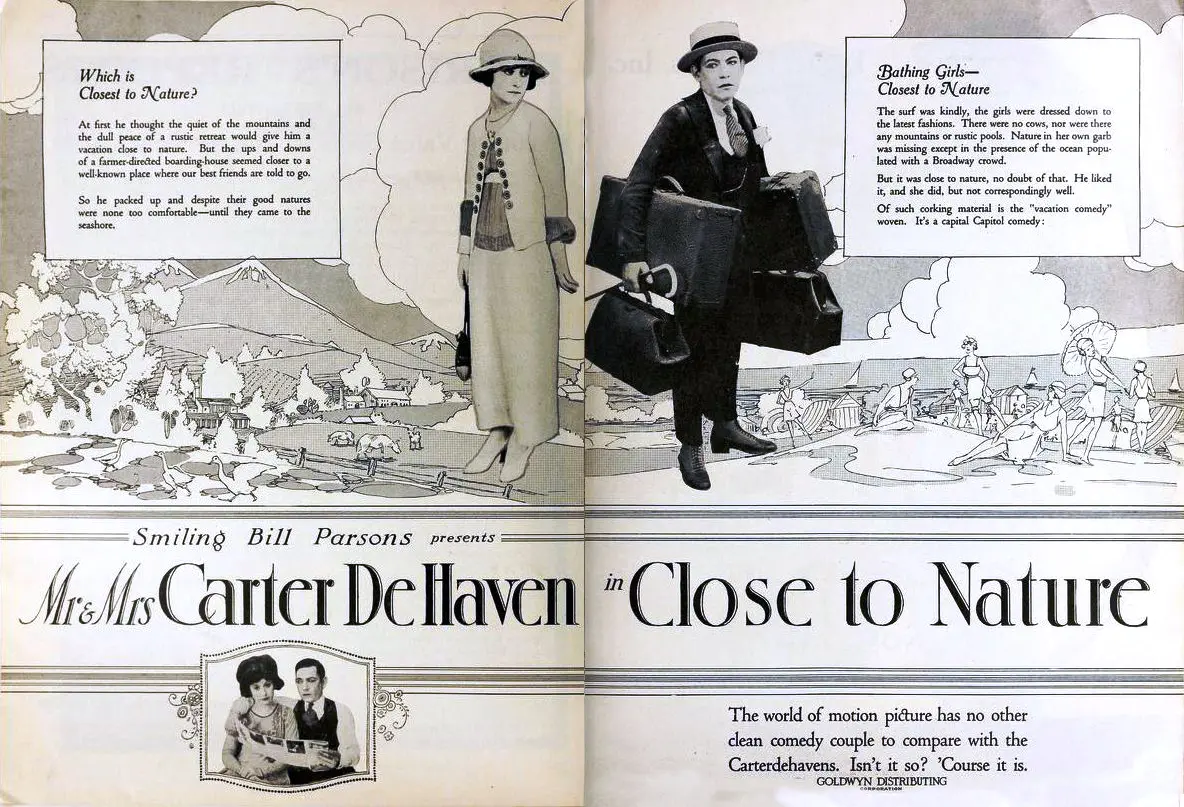
Pacing in Close to Nature is deliberate, reflecting the measured tempo of a life lived in harmony with nature. The film eschews conventional plot twists, opting instead for a series of quiet, introspective moments that build slowly. This approach may test the patience of some viewers, but it rewards those willing to engage with the film’s contemplative rhythm. The pacing invites the audience to pause and absorb each scene, much like a traveler taking in a landscape.
Emotionally, the film is a quiet triumph. The audience is invited to inhabit the internal landscapes of Jack and Daisy, feeling their yearning and conflict in a visceral way. The film’s minimal dialogue forces viewers to read between the lines, fostering a deeper connection with the characters. The subtlety of the performances, coupled with the film’s visual and auditory textures, creates an atmosphere where emotions are felt rather than told.
Visual symbolism is woven throughout the film. The recurring motif of a lone pine tree in the mountains and a solitary shell on the beach both represent resilience and the fragile beauty of choice. The use of light—soft, diffused mountain light versus harsh, direct beach light—serves as a visual metaphor for Jack’s introspective calm versus Daisy’s vibrant enthusiasm. These symbols reinforce the film’s thematic core without resorting to overt exposition.
Culturally, Close to Nature speaks to the contemporary quest for balance between personal solitude and communal experience. In an age where digital distraction dominates, the film’s emphasis on natural settings and quiet introspection offers a counterpoint. It invites viewers to reconsider the value of slow living and mindful presence, themes that resonate with modern audiences seeking authenticity.
In conclusion, Close to Nature is a subtle, visually arresting meditation on the choices that define our lives. Its understated performances, meticulous cinematography, and thoughtful soundscape coalesce into a film that rewards patience and reflection. While it may not deliver conventional drama, it offers a unique cinematic experience that lingers in the mind long after the credits roll. For those willing to surrender to its quiet pace, the film provides a profound exploration of what it means to seek harmony with the world around us.
IMDb —
1915
Community
Log in to comment.