DbcultAccessing Vault...
6.4/10
Senior Film Conservator
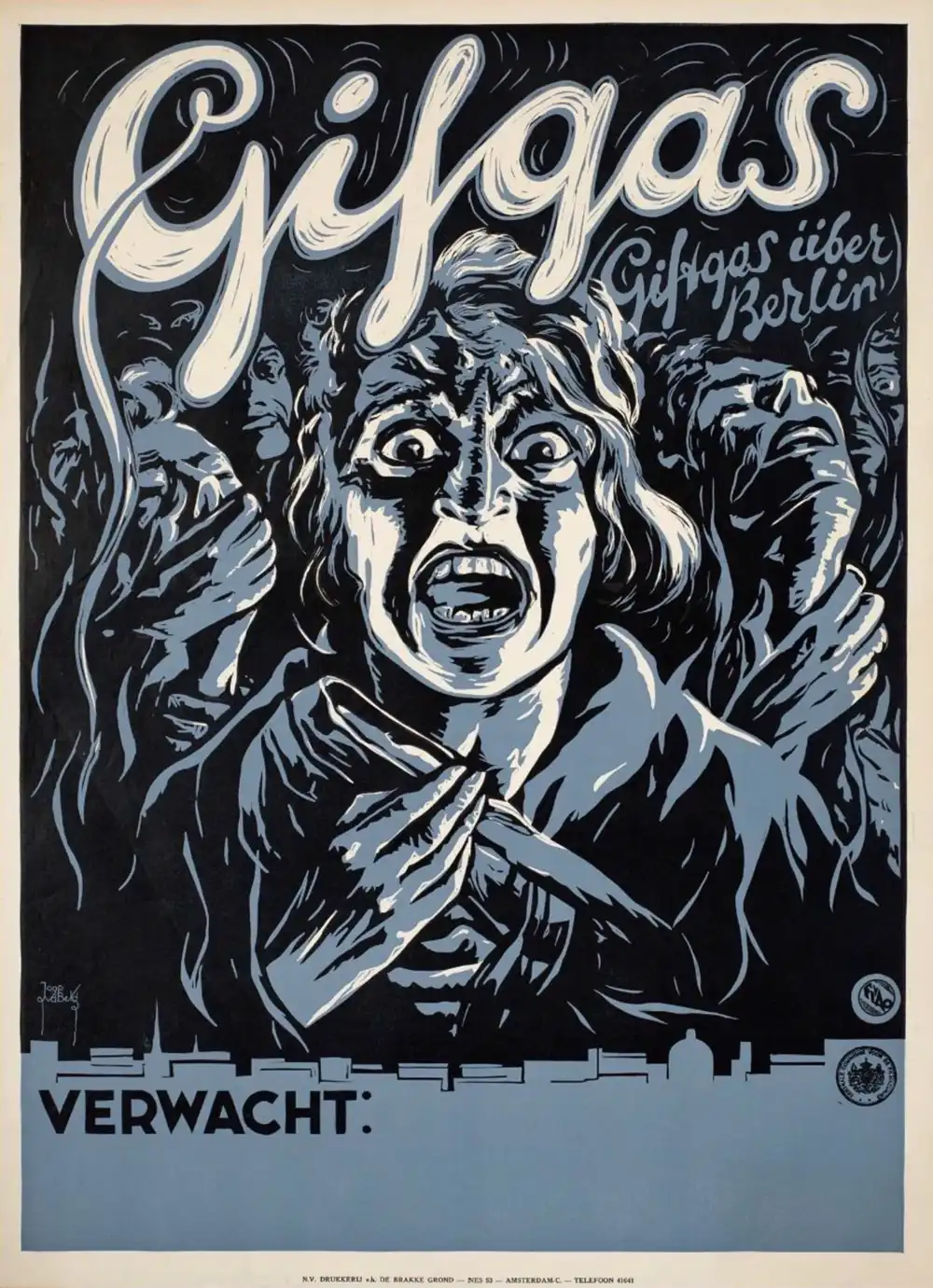
A definitive 6.4/10 rating for a film that redefined the boundaries of cult cinema. Giftgas remains a cornerstone of transgressive art.
"Giftgas," a silent film from 1929, is a tough watch for most modern audiences. If you're into **early German cinema** or want to see a story about corporate greed gone really, really bad, then maybe, just *maybe*, give it a shot. Otherwise, prepare for some serious pacing issues and a message that, while important, feels a bit heavy-handed today.
The core idea is pretty chilling: a young chemist, Berthold (played by Hans Stüwe), stumbles upon a way to make a super effective poison gas. He's this bright-eyed, optimistic guy, you know? But then, this shady chemical company, led by the ruthless general director Michael (Fritz Kortner), gets wind of it. They don't care about ethics; they just see dollar signs and stock prices. 📈
Fritz Kortner as Michael is just *magnetic*. He doesn't even need to speak; his eyes do all the work. There's this one scene where he's just... looking at a newspaper, and you can practically feel the scheming happening. 😈
The film’s silent era origins really show. Sometimes the intertitles feel like they’re doing a lot of the heavy lifting, spelling out emotions that the actors are already conveying.
Berthold, the chemist, is almost *too* pure. You want to shake him and say, "Dude, read the room!" His idealism is a bit much sometimes, but that's kinda the point, right?
There's a sequence where they show the factory starting production. It's all these big, clanking machines, and it feels pretty grand for its time. You can tell they put some effort into those industrial shots, even if they're not exactly Metropolis level.
Vera Baranovskaya plays Berthold’s mom, and her concern feels very real. A small, quiet performance amidst all the corporate villainy. You really feel for her, watching her son get tangled up.
The crowd scenes have this oddly empty feeling, like half the extras wandered off. Or maybe it was just a smaller budget for that kind of thing, which is fair for a film from that era. 🤔
One reaction shot lingers so long it becomes funny, especially when someone is making a dramatic discovery. You just wait for it to cut. It pulls you right out of the moment sometimes.
The movie builds this sense of dread slowly. It’s not a fast-paced thriller, more of a creeping realization of how bad things can get when money is the only goal. It takes its time.
The film gets noticeably better once it stops trying to explain *every single thing* with intertitles and just lets the actors *act*. Those middle sections, where Michael is just manipulating everyone, are strong.
The scene goes on about 20 seconds too long, and the silence starts to feel awkward rather than emotional, especially during some of the more intense confrontations. You can almost feel the movie trying to convince you this moment matters.
The ending... without giving too much away, it really drives home the anti-war, anti-greed message. It’s not subtle. **Not subtle at all.** It hits you over the head with it.
It’s a powerful message for a film from 1929, especially given the history unfolding in Europe at the time. It really makes you think about the responsibility of science. Does knowing something make you responsible for how it’s used?
Is it perfect? Nah. Does it have its slow spots? Absolutely. But there are these flashes, especially from Kortner, that make you lean forward and pay attention. He just *commands* the screen.
It’s a piece of history, really. A film trying to warn us about things that, tragically, we still struggle with today. It’s a bit of a relic, but a *meaningful* one. Worth seeing if you're patient and curious about these older, message-driven films.
IMDb 6.4
1936
Community
Log in to comment.