A century-old nitrate reel shouldn’t throb with this much blood. Yet from the first vinegar-sweet whiff of emulsion, The Awakening of Bess Morton pulses like a thumb slammed in a doorway—intimate, involuntary, impossible to ignore. What William V. Mong understands, and what most contemporaries merely flirted with, is...
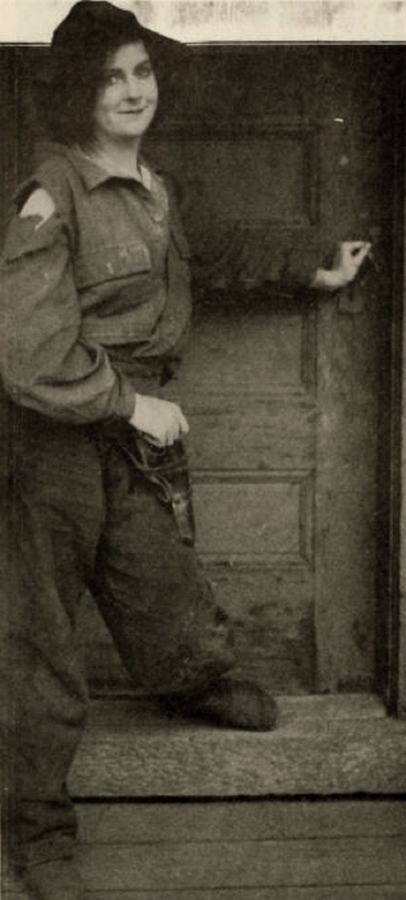
still_frame
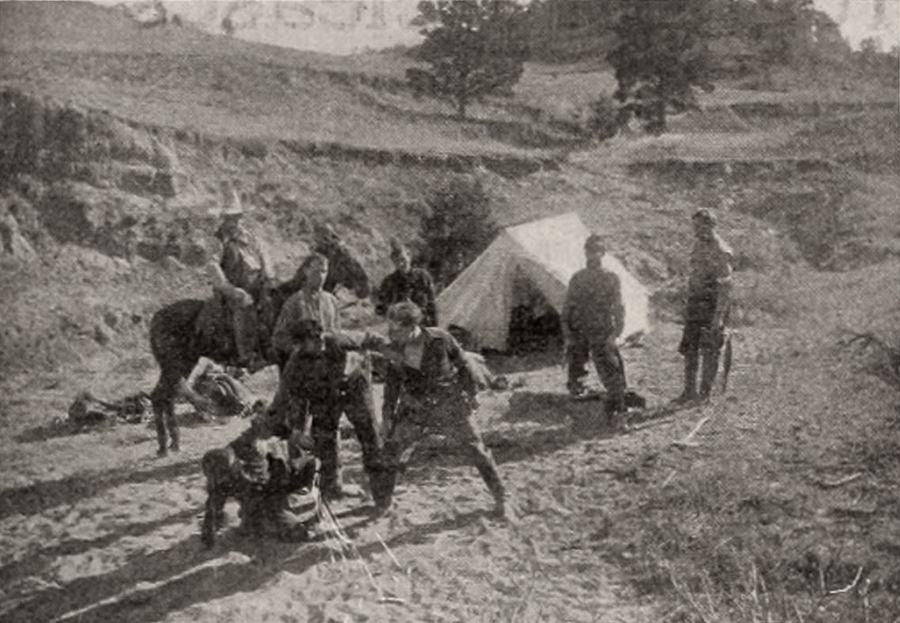
still_frame
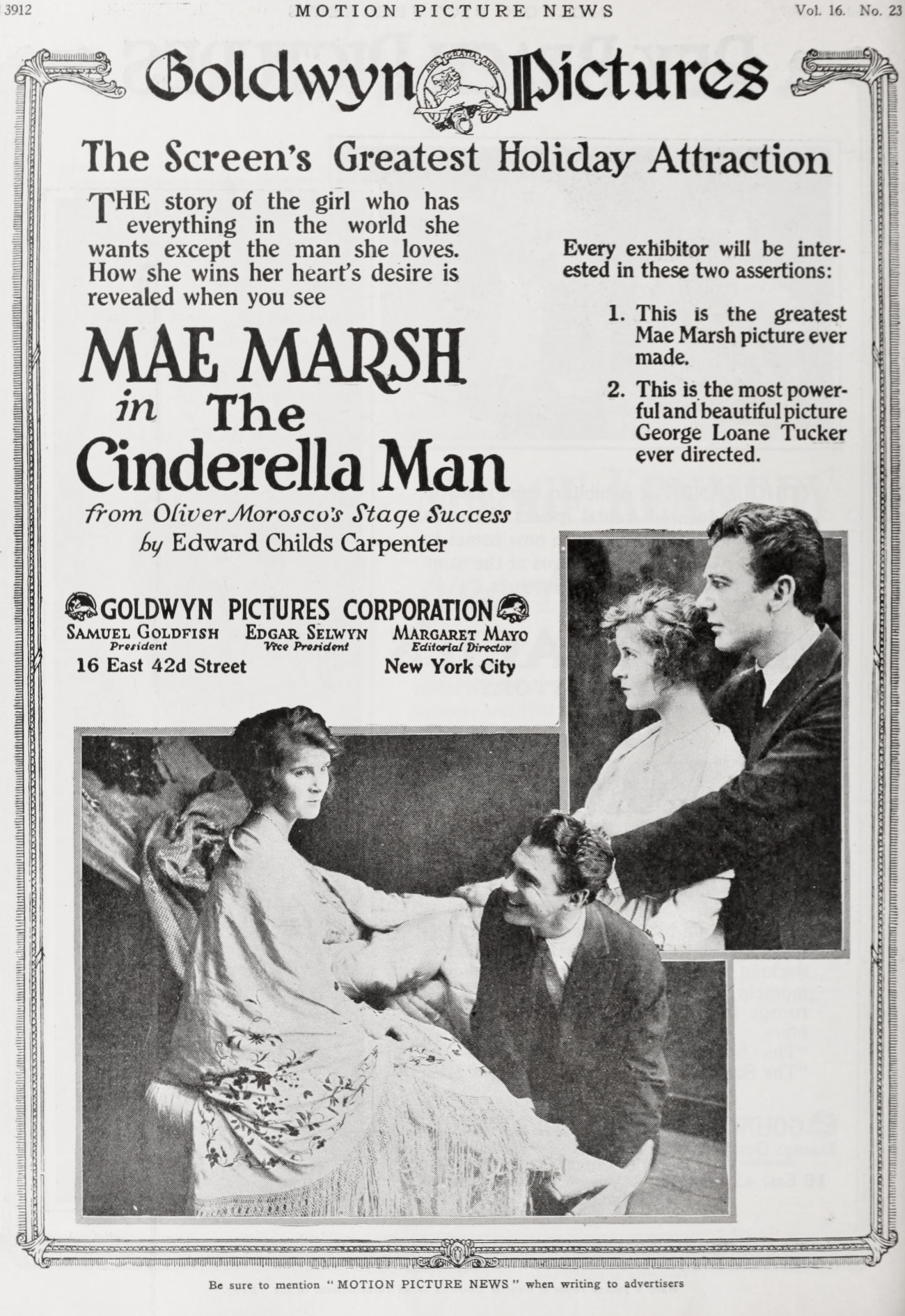
Comparing the cinematic DNA and archive impact of two defining moments in cult history.
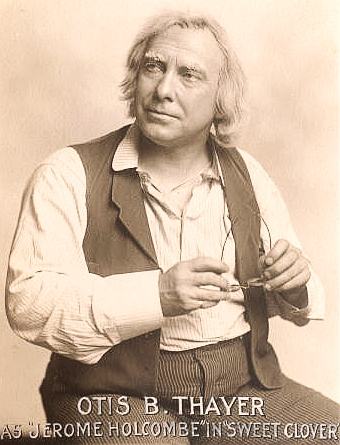
Otis Thayer
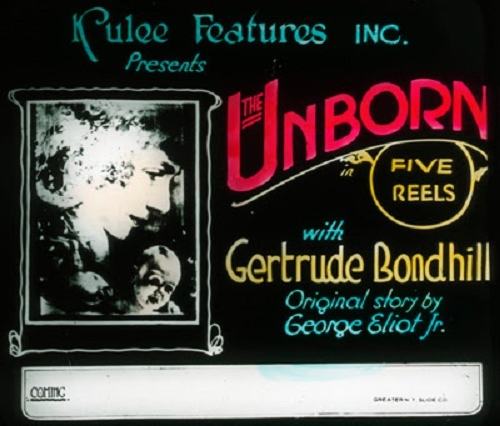
Otis Thayer
Community
Log in to comment.
" A century-old nitrate reel shouldn’t throb with this much blood. Yet from the first vinegar-sweet whiff of emulsion, The Awakening of Bess Morton pulses like a thumb slammed in a doorway—intimate, involuntary, impossible to ignore. What William V. Mong understands, and what most contemporaries merely flirted with, is that the silent frame is not an absence of voice but an overabundance of listening. Every intertitle here arrives like a shard of ice slid against the viewer’s carotid: brief, bre..."

Deep dive into the cult classic
Discover similar cinematic experiences
A Directorial Spotlight on Otis Thayer