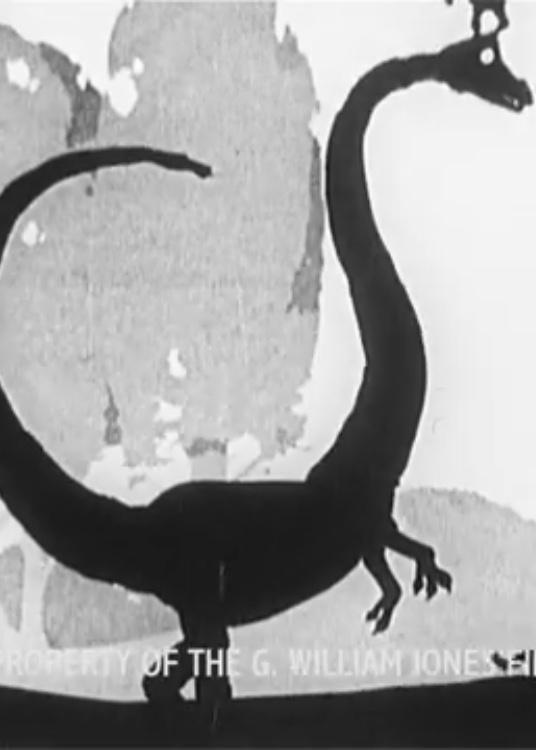
A look at the filmmaking process in the prehistoric era, inside the Stonehenge Film Company. It seems some things haven't changed much.
Tony Sarg, Herbert M. Dawley
United States
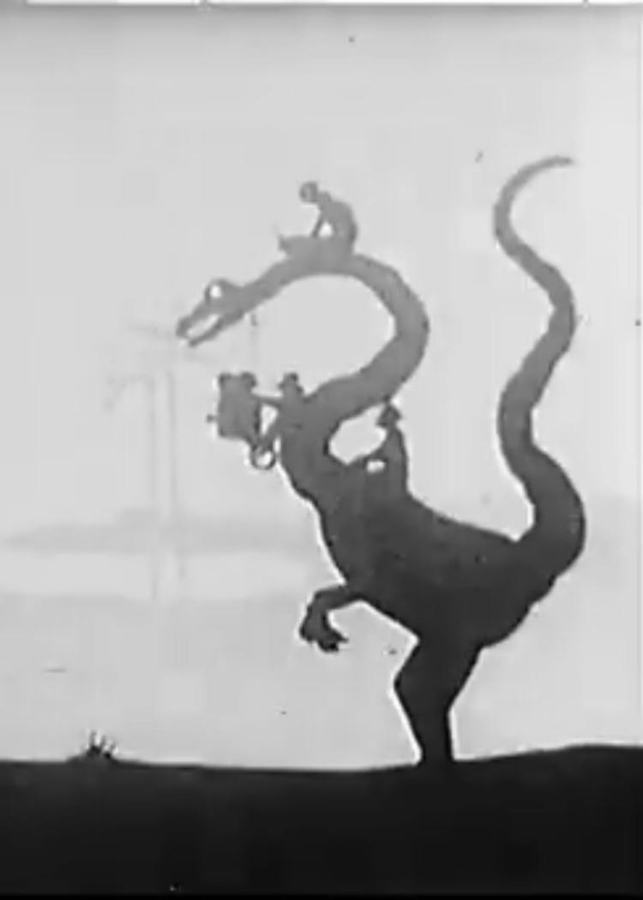
Imagine if the very first film ever made was also the first film ever ruined—by a goat, a dinosaur, and a committee of druids with censorship scissors. Tony Sarg’s 1921 one-reel curiosity The Original Movie lands like a mischievous cave painting: crudely etched yet teeming with modern neuroses. Ostensibly a burlesque...
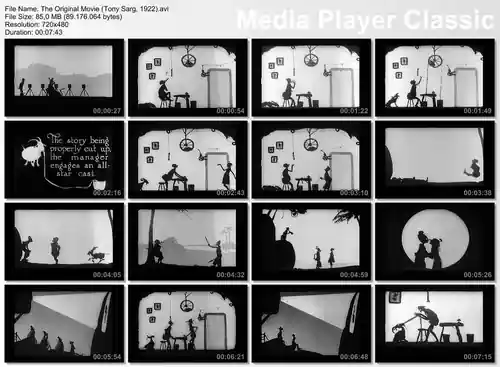
still_frame
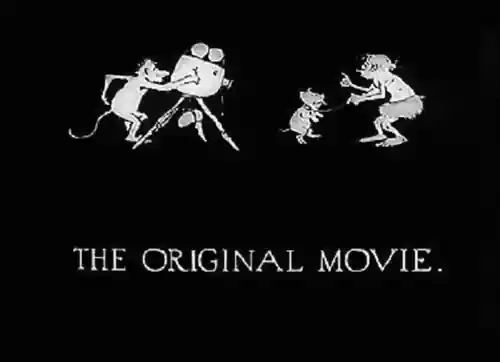
still_frame
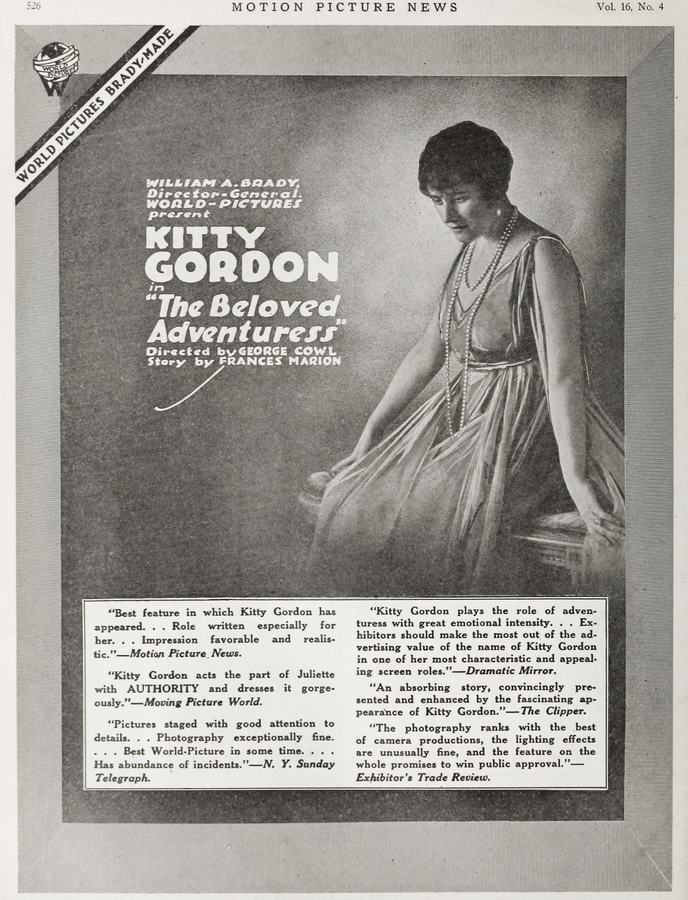
Comparing the cinematic DNA and archive impact of two defining moments in cult history.
Tony Sarg
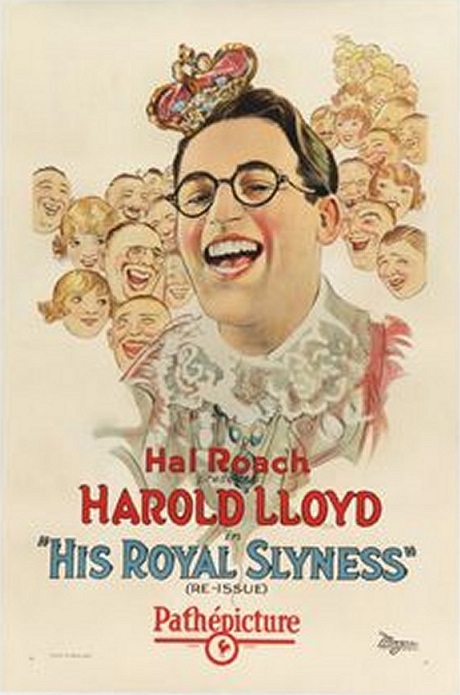
Hal Roach
Community
Log in to comment.
" Imagine if the very first film ever made was also the first film ever ruined—by a goat, a dinosaur, and a committee of druids with censorship scissors. Tony Sarg’s 1921 one-reel curiosity The Original Movie lands like a mischievous cave painting: crudely etched yet teeming with modern neuroses. Ostensibly a burlesque of moviemaking set in the Pleistocene, it doubles as a trenchant prophecy of every artistic crucifixion that would follow in the next hundred years of studio machinery. Shot in fl..."
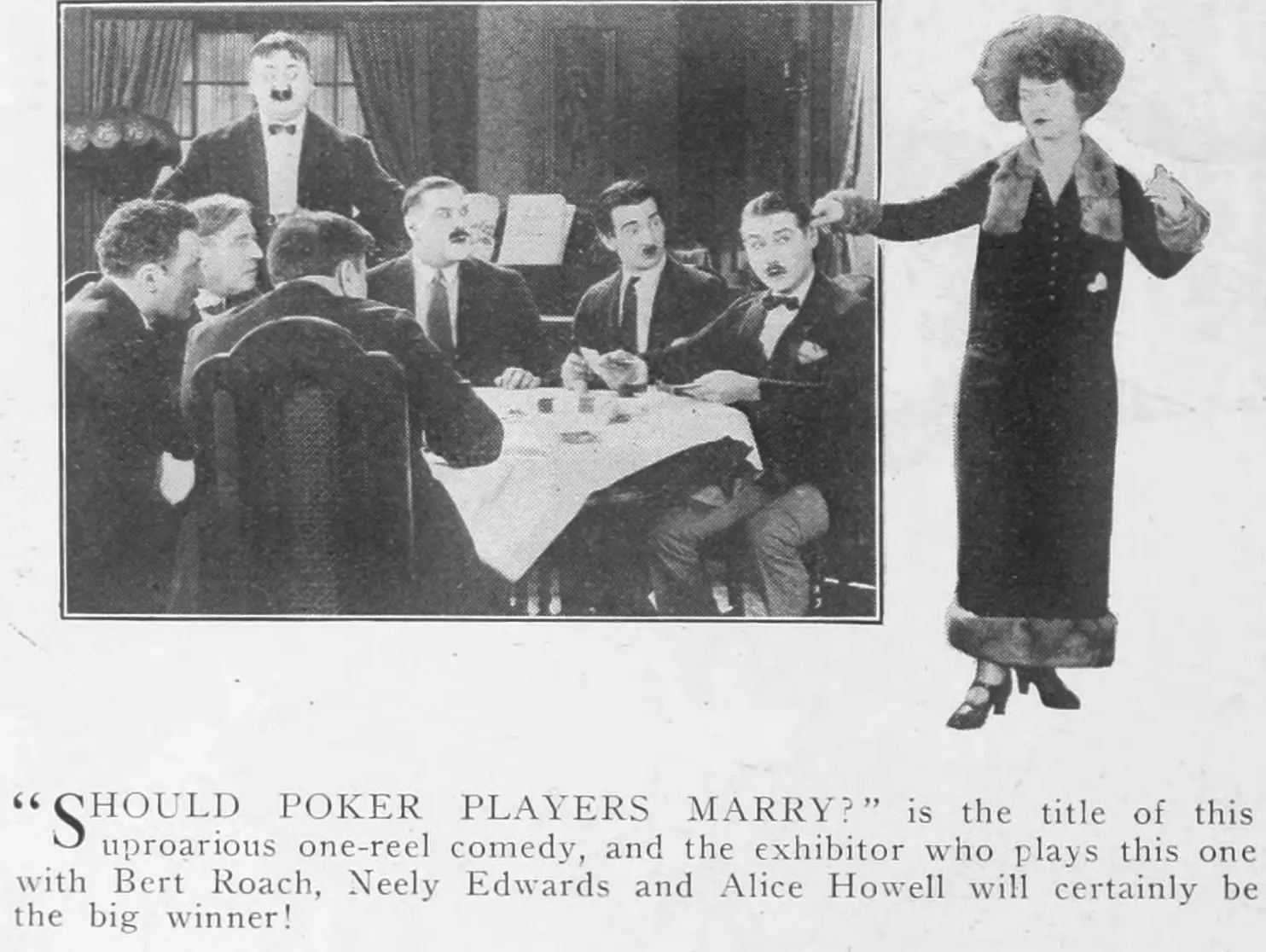
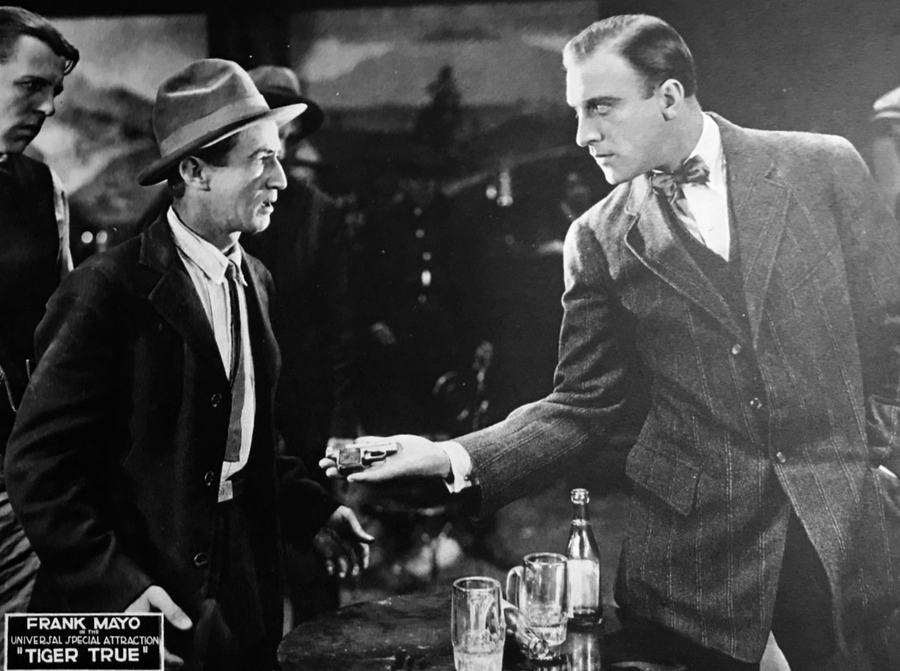
Deep dive into the cult classic
Discover similar cinematic experiences
A Directorial Spotlight on Tony Sarg