Summary
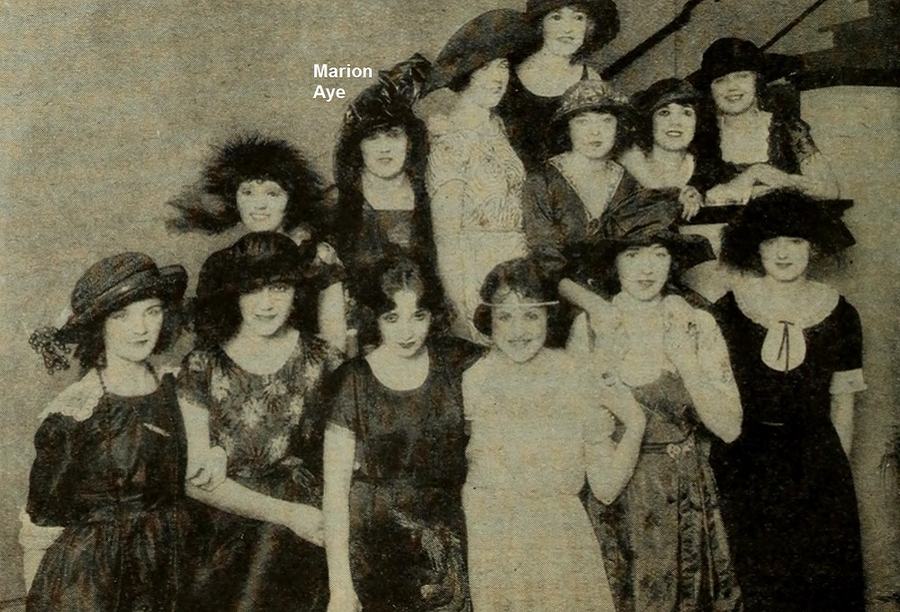
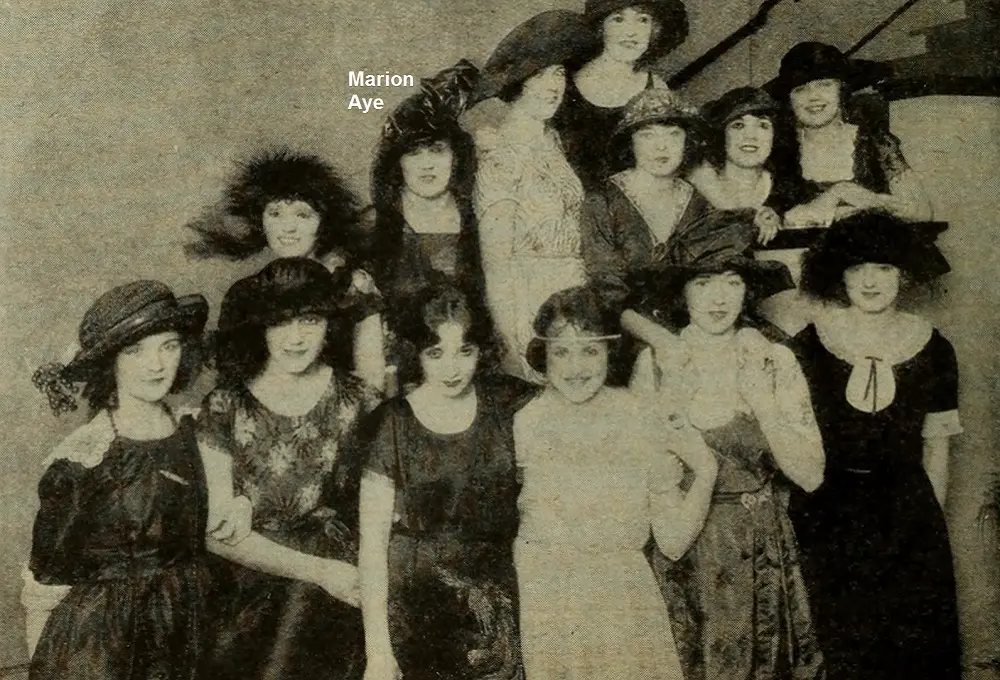
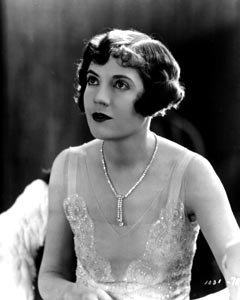
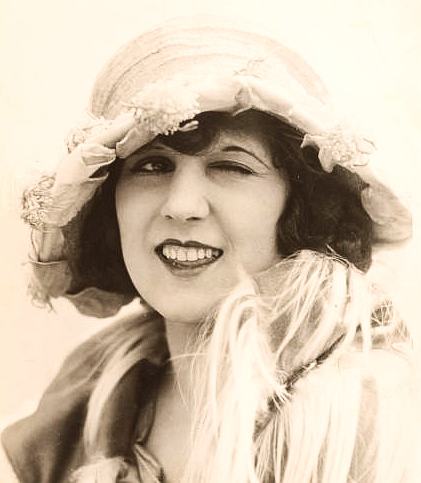
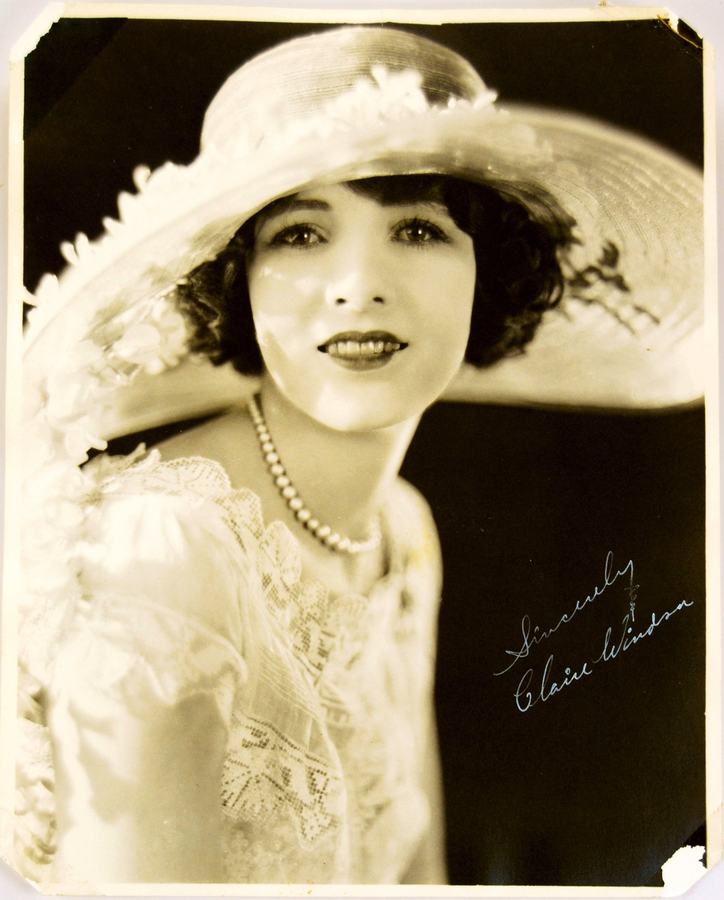
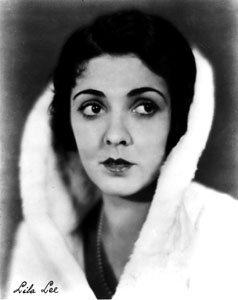
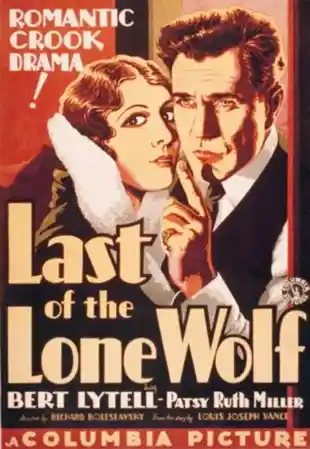
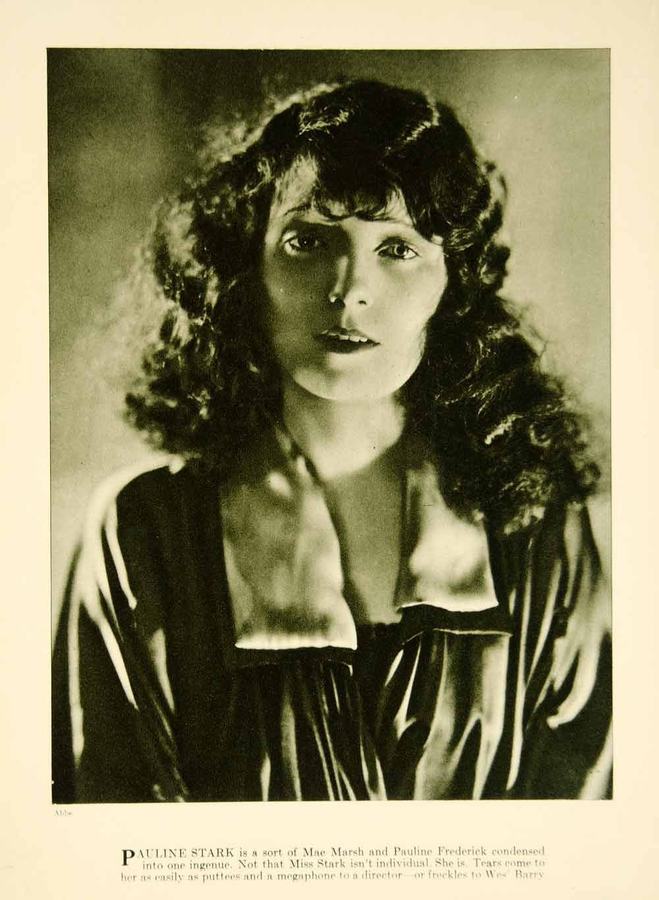
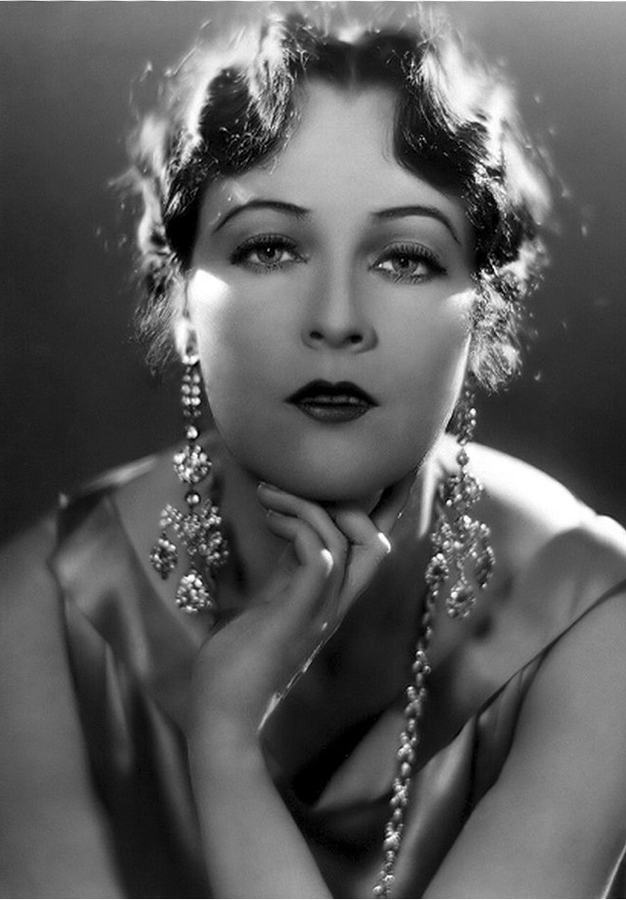
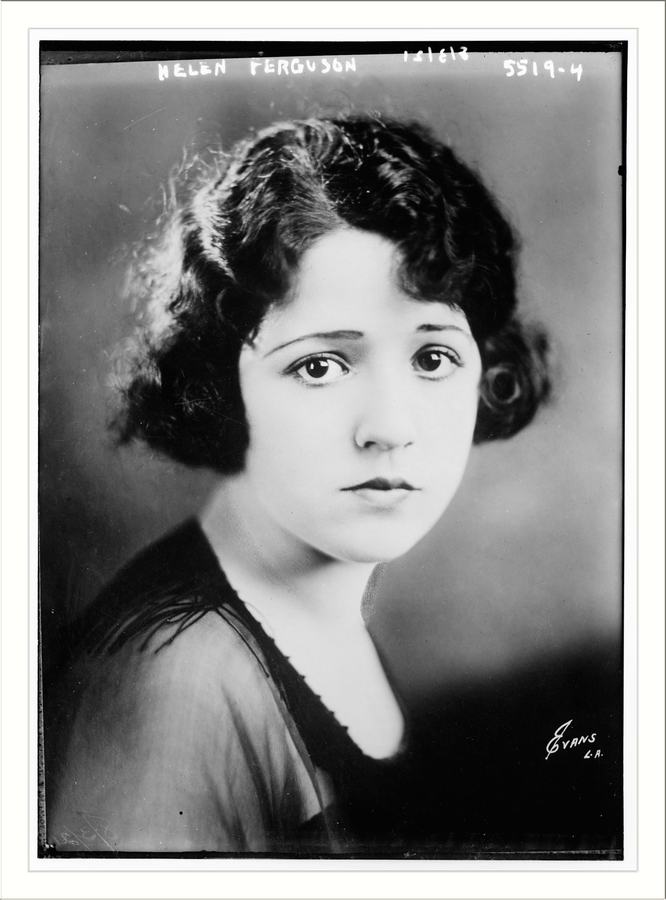
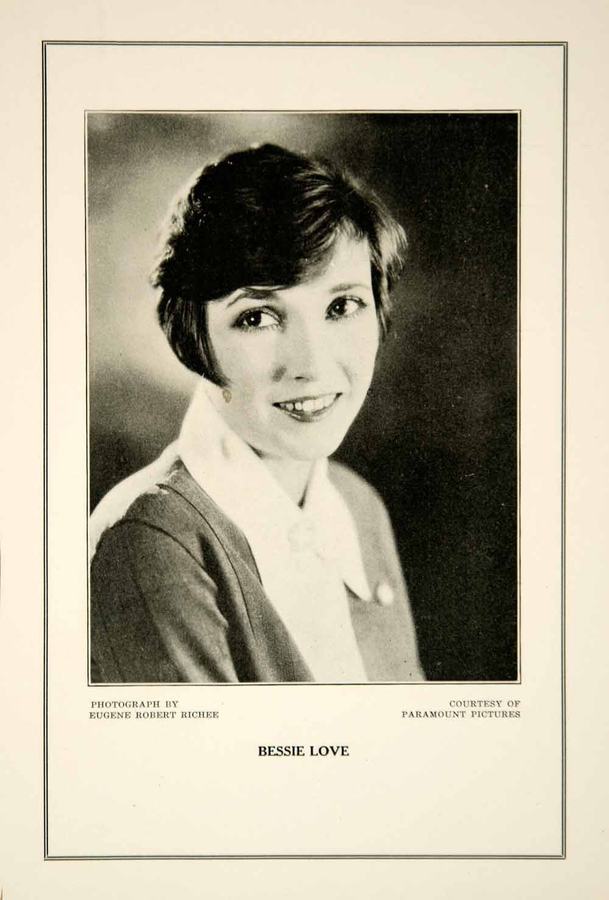
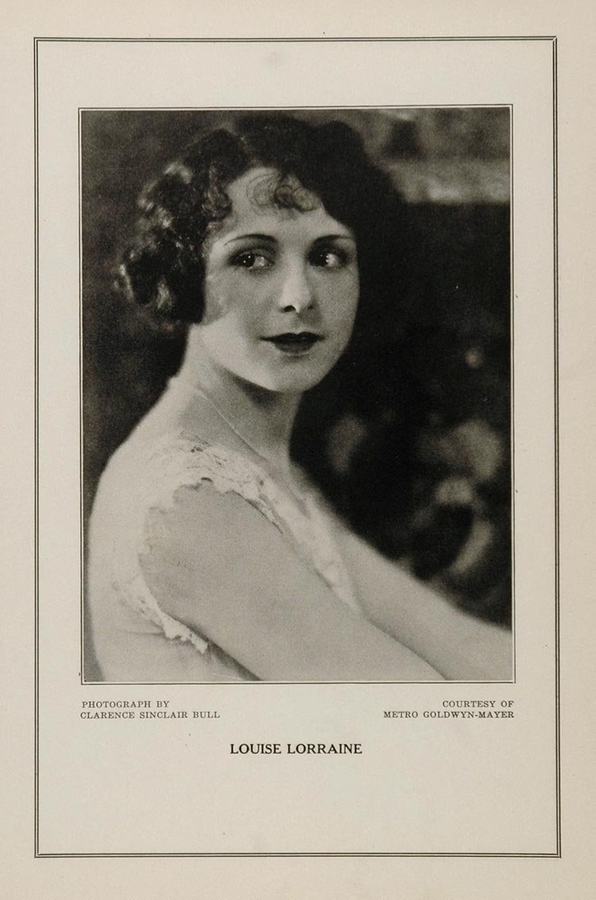
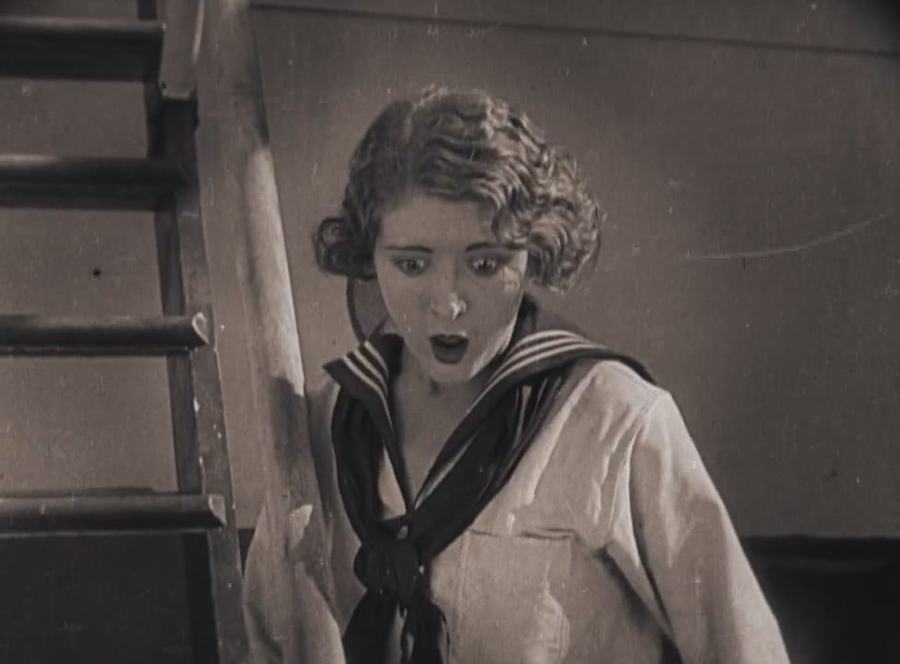
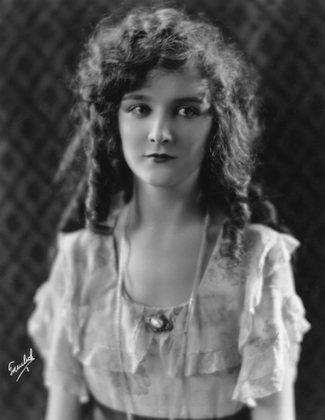
In the lacquered twilight of Hollywood’s infancy, when celluloid still smelled of ether and ambition, a phalanx of luminous ingénues—thirteen silhouettes stitched from champagne froth and moth-wing powder—descended upon the nascent dream factory under the aegis of the Western Association of Motion Picture Advertisers. Their coronation as the 1922 WAMPAS Baby Stars was less a pageant than a séance, summoning the modern cult of celebrity from the ectoplasm of Victorian maidenhood. Lila Lee, her kohl-ringed eyes twin daggers of precocious knowing, glided through gilded rehearsals like a swan that had already read its own slaughter scene; Patsy Ruth Miller traded her convent-bred dimples for a smile sharp enough to slice option contracts; Jacqueline Logan, a panther in chiffon, rehearsed Salome’s dance with the cold precision of a stock ticker; Lois Wilson, all prairie gravity and Presbyterian sinew, measured stardom against the moral arithmetic of a Kansas Sunday; Marion Aye, whose bruised velvet voice could sell redemption or cigarettes with equal conviction, discovered the microphone loved her best when she lied; Helen Ferguson, a red-haired comet of mischief, weaponized flapper irreverence into studio leverage; Colleen Moore, the ur-bobbed sprite of modernity, hid a strategist’s brain beneath Dutch-boy bangs; Pauline Starke pirouetted on the lip of the abyss between stunt work and art, her wrists scarred by piano-wire swings; Louise Lorraine learned that klieg lights could scorch freckles into stigmata; Claire Windsor, regal and expendable, rehearsed her own fade-out in perfumed dressing rooms where the wallpaper smelled of unpaid rent; Kathryn McGuire tamed slapstick gravity into ballerina grace, a plié timed to the hiss of the projector; Bessie Love, pocket-sized dynamo, sang through tear-bloated close-ups as though vibrato could foreclose foreclosure; Mary Philbin, porcelain masochist, let von Stroheim paint her eyes with the shadows of masochism long before The Phantom of the Opera clamped a mask to her face. Together they strutted, wept, negotiated, and occasionally escaped through the studio gates, their collective arc a fever chart of an industry learning to monetize yearning itself. Some would ascend to immortality, others dissolve into nitrate snow, but for one incandescent season they were the chorus line of Hollywood’s self-invented pantheon, tap-dancing on the fault line between Victorian respectability and Jazz-Age commodity, each flashbulb popping like a micro-burst of eternity.