DbcultAccessing Vault...
5.9/10
Senior Film Conservator
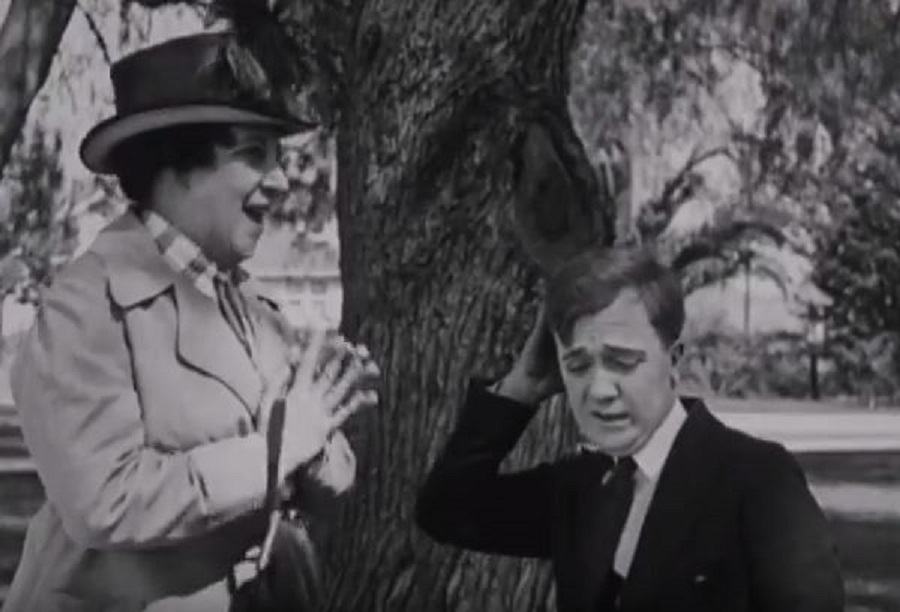
A definitive 5.9/10 rating for a film that redefined the boundaries of cult cinema. A Bashful Bigamist remains a cornerstone of transgressive art.
There is a moment—halfway through A Bashful Bigamist—when the camera lingers on a kitchen clock shaped like a plump cat, tail twitching each second. The wives do not notice; they are too busy weaponizing domesticity. Yet that feline pendulum feels like the film’s heartbeat: cute, implacable, ready to scratch. Released in the twilight of the roaring twenties, this sprightly two-reeler belongs to the forgotten interregnum between flapper iconoclasm and Great-Depression gloom. Its DNA carries the fizzy anarchy of Lubitsch but operates on a shoestring, trading Parisian boudoirs for modest Californian duplexes. The resulting concoction is both feather-light and quietly insurrectionist: a marital heist executed not with bullets but with grocery lists.
Clocking in at scarcely twenty minutes, the picture compresses narrative like a pressure cooker. Every insert shot—an abandoned sock, a mislaid wedding band—functions as both gag and evidence. Co-writers Jack Jevne and Frank Roland Conklin grasp the silent axiom: if a joke can’t be understood without intertitles, it isn’t a joke. Thus they lean on visual rhymes: twin bassinets, twin coffee percolators, twin portraits of the same nervous groom. Repetition breeds absurdity; duplication breeds danger. The editing cadence is almost musical—ABAB—crosscutting between households until geography collapses into polyphonic chaos.
Barry, a stalwart of Hal Roach’s stable, possesses the malleable face of a man perpetually smelling burnt toast. His shoulders hike up in perpetual apology; his mustache droops like a question mark. The performance is calibrated for silence: brow for befuddlement, elbows for exasperation, knees for contrition. When the two wives finally intersect, his reaction shot—eyes wide as saucers, Adam’s apple bobbing like a yo-yo—earns the film’s biggest laugh without a single subtitle. It is a masterclass in elastic mortification.
Gilmore, often relegated to harridans, here unveils a softer Machiavellian streak. Watch her fingers drum on a cookbook—each tap a Morse code of strategy. Opposite her, Mary Lewis radiates sun-dazed innocence until betrayal sharpens her gaze into surgical steel. The screenplay refuses catfight clichés. Once the women realize mutual deception, solidarity sprouts faster than a California wildfire. Their alliance is the film’s radical pivot: men may philander, but women organize. In a 1929 cultural climate still coughing on the dust of Victorian patriarchy, this depiction of collective feminine agency feels downright subversive.
Standing four-foot-something, Bletcher waddles through frames like a whistle-blowing cherub. His detective is less Philip Marlowe, more wind-up toy—notebook perpetually inverted, fountain pen leaking comedic ink. He provides meta-comedy: even the film’s authority figure is inept, suggesting the universe itself suffers from short-sighted bureaucracy. The shrill helium squeak he emits upon discovering the second marriage certificate punctures tension like a balloon, sending ripples of laughter across the auditorium.
Cinematographer George Unholz (uncredited in most archives) bathes interiors in buttery chiaroscuro. Observe how the golden glow of the first household contrasts against the cooler, sea-blue hues of the second—an early, unsung experiment with color temperature to signal narrative duality. When both palettes converge in the climactic church bazaar, the image desaturates toward monochrome, implying moral entropy. These flourishes belie the film’s modest budget, evidencing artisanal ingenuity endemic to late-silent era shorts.
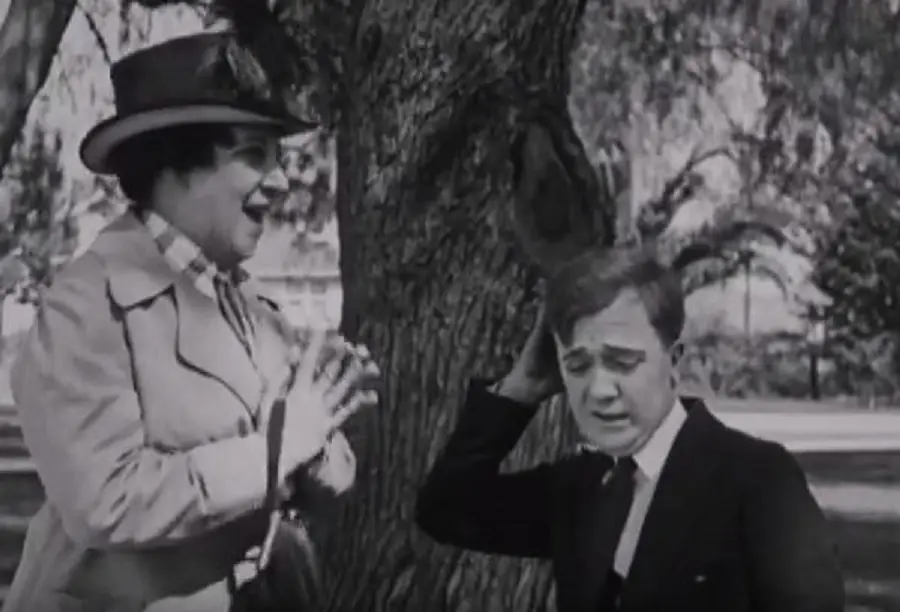
Though released months before talkies devoured the industry, the picture anticipates sonic comedy. Door latches clack like woodblocks; a stomping foot punctuates beats like a snare. Contemporary exhibitors often paired it with jaunty organ flourishes, yet the action is so meticulously timed it can survive total quiet. Try watching it muted on a laptop at 2 a.m.—the film still sings, proving its metronomic construction.
Censors of the day, distracted by gangster mayhem, overlooked this Trojan horse of marital insurgency. Adultery, bigamy, feminine collusion—ingredients that would trigger Hays-office apoplexy five years later—are here played for buoyant comeuppance. The male is chastened not through violence but through domestic redistribution of power: dish-washing, diaper-changing, church-social attendance. It is social reform disguised as slapstick, a gendered contrapasso worthy of Dante had he swapped Florence for Fresno.
Stack A Bashful Bigamist beside What Women Want (1920), and you’ll notice both traffic in comeuppance fantasy, yet the former grants women tactical supremacy rather than mystical intuition. Contrast it with Acquitted (1929), where courtroom machismo exonerates male transgression; here the tribunal is domestic, verdict delivered via embroidered throw pillows. Finally, place it against One More American (1917), where immigrant assimilation is the moral crucible; our bigamist’s only crucible is IKEA-level household assembly, equally arduous but funnier.
For decades the negative languished in the MGM vaults, misfiled under “B” for Barrymore, until a 2018 UCLA restoration scanned a 35 mm nitrate print rescued from a shuttered Montana theater. The resulting 2K DCP occasionally flares with chemical blemishes—those flicker like campfire sparks, only enhancing authenticity. Streaming platforms have been sluggish; your best bet is specialty Blu-rays from boutique labels or repertory festivals. Seek it out. The hunt is part of the pleasure.
Notice how the wives’ synchronized scheming foreshadows the algorithmic solidarity of social-media group chats. Replace telegrams with Instagram stories, grocery receipts with location pings, and the narrative could headline a Netflix mini-series. Yet nothing digital could replicate the tactile satisfaction of watching a flustered Barry iron lace doilies while his matriarchal overseers sip cocoa, eyes gleaming with predatory tenderness.
Great art need not sprawl; sometimes it sneaks, catlike, through twenty minutes of flickering celluloid. A Bashful Bigamist is a pocket-watch universe: compact, gleaming, ticking with subversive mirth. It lampoons patriarchy without sermons, champions sorority without slogans, and sends you humming into the night, grateful that cinema, even at its most ephemeral, can still bite. And purr.
IMDb 6.9
1935
Community
Log in to comment.