DbcultAccessing Vault...
Cult Review
Senior Film Conservator
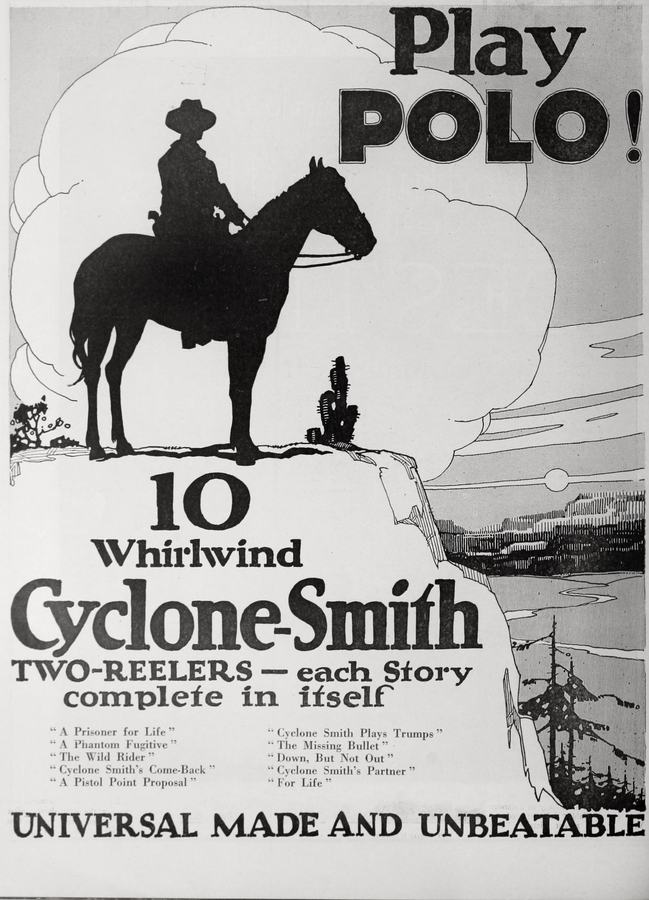
The cinematic tapestry of the early 20th century is replete with tales of the American West, a landscape that served as both a crucible for human drama and a canvas for burgeoning storytelling techniques. Amidst the countless narratives of desperadoes, lawmen, and rugged individualism, A Pistol-Point Proposal emerges as a charmingly unconventional entry, a silent film that dares to pivot from the usual frontier gravitas towards a lighter, more whimsical exploration of love and loyalty. Released in an era when the motion picture was still finding its voice, this particular feature, penned by the collaborative talents of Thomas J. Geraghty and Karl R. Coolidge, offers a refreshing take on the well-trodden Western genre, infusing it with a unique brand of comedic ingenuity.
At its core, the film unravels a plot that is as audacious as it is endearing. We are introduced to Eddie, played with a delightful blend of reluctance and eventual charm by Eddie Polo. Eddie is a cowboy, a man seemingly at home with the wide-open spaces and the rough-and-tumble life of the frontier, but decidedly less comfortable with the intricacies of romantic commitment. His sweetheart, portrayed by the expressive Eileen Sedgwick, waits patiently, perhaps a little too patiently, for a proposal that seems perpetually out of reach. This romantic inertia, however, does not escape the notice of Eddie's close-knit band of cowboy friends. These are not just any companions; they are conspirators in the making, men whose loyalty to Eddie extends beyond shared campfires to an active, albeit mischievous, interest in his marital prospects.
The genius of Geraghty and Coolidge's screenplay lies in its premise: rather than offering Eddie gentle nudges or sage advice, his friends, including the formidable Alfred Allen and the spirited Leo Lester, decide that a more dramatic, indeed, a more theatrical, approach is required. They engineer an elaborate 'frame-up,' a meticulously choreographed ruse designed to corner Eddie into the very act he has been so assiduously avoiding. The details of this deception are where the film truly shines, showcasing a blend of frontier pragmatism and playful manipulation. Imagine the scene: a fabricated crisis, perhaps a staged ambush or a manufactured threat, designed to plunge Eddie into a situation where his only perceived escape, his only path to safety or resolution, is to pledge his hand to his beloved. It’s a bold stroke of narrative invention, one that speaks to the creative freedom and experimental spirit of early cinema. The film thus transforms a simple courtship into a grand, almost operatic, spectacle of friendship-fueled intervention.
The performances, particularly in silent cinema, carry an immense burden of storytelling, relying heavily on exaggerated gestures, facial expressions, and physical comedy to convey emotion and narrative progression. Eddie Polo, a prolific actor and director of the era, brings a robust physicality to his role as Eddie, effectively communicating his character's initial resistance, his bewilderment during the 'framing,' and his eventual, perhaps slightly resigned, acceptance. His comedic timing, even without spoken dialogue, is palpable, making Eddie's predicament both humorous and relatable. Eileen Sedgwick, as the sweetheart, embodies a quiet strength and enduring affection, her expressions conveying the ebb and flow of hope and exasperation as she awaits Eddie's decision. Her portrayal is crucial; without her sincerity, the friends' elaborate plan might feel cruel rather than comical. The supporting cast, with Alfred Allen and Leo Lester leading the charge among Eddie’s cowboy compatriots, infuse the film with a boisterous energy. They are the architects of the delightful chaos, their camaraderie and shared purpose evident in every conspiratorial glance and exaggerated gesture. Their collective performance underscores the theme of community, where personal milestones become communal projects, even if achieved through questionable means.
From a directorial standpoint, the film navigates its comedic premise with a clear understanding of pacing and visual storytelling. The build-up to the 'pistol-point proposal' is carefully orchestrated, allowing the audience to appreciate the intricate planning of the friends and the growing tension, both romantic and situational. The use of intertitles, a vital component of silent film narration, would have been skillfully employed here to convey the witty dialogue and internal thoughts that drive the plot. This approach distinguishes A Pistol-Point Proposal from many of its contemporaries, which often relied on more straightforward dramatic arcs. While a film like Acquitted might delve into the stark realities of legal justice, or The Mystery of a Hansom Cab unravel a complex crime, 'A Pistol-Point Proposal' opts for a lighter touch, proving that the Western genre possessed a versatility often overlooked.
The thematic undercurrents of the film are equally compelling. Beyond the surface-level comedy, A Pistol-Point Proposal touches upon the nature of friendship and the lengths to which individuals will go for the well-being and happiness of those they care about. It also subtly explores societal expectations surrounding marriage in the early 20th century, particularly in the frontier setting where community ties were paramount. Eddie's reluctance isn't just a personal quirk; it's a disruption of an expected social trajectory, prompting his friends to take matters into their own hands. This communal pressure, albeit dramatically exaggerated, reflects a broader cultural sentiment. Compared to the more earnest romantic dramas of the era, such as The Light of Happiness or When You and I Were Young, 'A Pistol-Point Proposal' injects a refreshing dose of humor into the pursuit of matrimony, suggesting that love, even when it needs a push, is ultimately worth the effort.
The film's place within the burgeoning Western genre is also noteworthy. At a time when Westerns were quickly becoming a staple of the silver screen, often depicting tales of heroism, revenge, or survival against the elements, A Pistol-Point Proposal offers a domestic, almost intimate, Western experience. It shows cowboys not just as stoic figures of action, but as complex individuals with personal lives, romantic quandaries, and a surprisingly playful sense of humor. This humanization of the cowboy archetype was a significant, if subtle, contribution to the genre's evolution. While films like Bushranger's Ransom, or A Ride for Life might emphasize the thrilling chase and stark peril of the frontier, 'A Pistol-Point Proposal' reminds us that even in the wild west, matters of the heart, however comically resolved, held sway.
The legacy of films like A Pistol-Point Proposal lies not just in their individual narrative merits, but in their collective contribution to the grammar of cinema. They represent an era of experimentation, where filmmakers were actively discovering the expressive capabilities of the moving image. The creative partnership of Thomas J. Geraghty and Karl R. Coolidge in crafting such an inventive plot speaks volumes about the burgeoning talent behind the scenes in early Hollywood. Their ability to weave humor, romance, and an underlying sense of frontier spirit into a cohesive and entertaining narrative is commendable. It’s a testament to the enduring appeal of clever storytelling, regardless of technological limitations or the absence of spoken dialogue. The film doesn't aim for the gravitas of a The Lion and the Mouse, nor the intense drama of Stolen Hours; instead, it carves out its own niche as a delightful, lighthearted romp.
Revisiting A Pistol-Point Proposal today is to be transported back to a time when cinema was still a nascent art form, yet already capable of delivering nuanced performances and intricate plots. It's a reminder that sometimes, the most profound declarations of love require a little push, perhaps even a staged dramatic intervention from well-meaning, if slightly overzealous, friends. The film, with its straightforward title and deceptively simple premise, offers a rich viewing experience that transcends its historical context, proving that genuine humor and heartfelt emotion are timeless. It’s a compelling piece of silent film artistry, one that deftly balances comedic ambition with a genuine understanding of human relationships, all set against the rugged, romantic backdrop of the American frontier. A true gem for enthusiasts of early cinema and those who appreciate a good, old-fashioned, slightly coerced, love story.
IMDb 5.1
1931
Community
Log in to comment.