DbcultAccessing Vault...
Cult Review
Senior Film Conservator
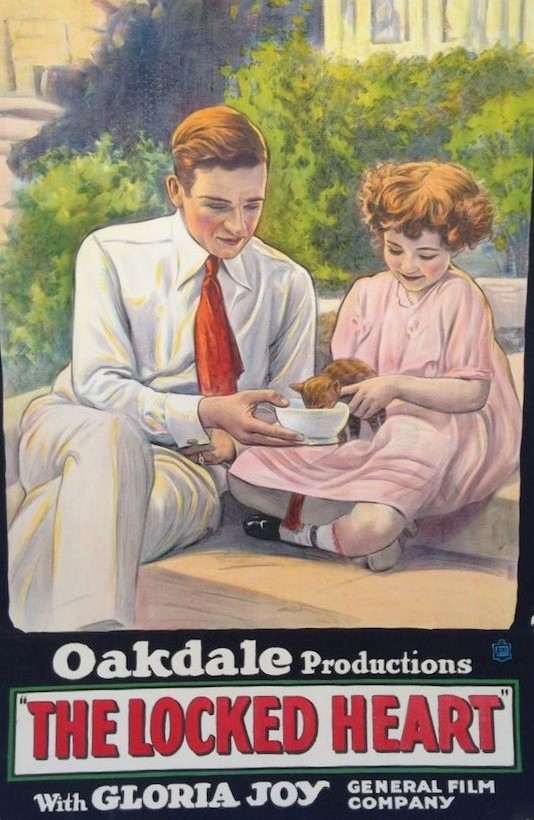
To traverse the landscape of early American cinema is to frequently encounter works that grapple with the sheer, unadulterated weight of human fragility. The Locked Heart (1918), directed with a nascent yet palpable sensitivity by Henry King, is a quintessential example of the era’s penchant for domestic melodrama elevated to the status of high tragedy. It is a film that does not merely depict grief; it ossifies it into a physical space—the nursery—and then spends its duration meticulously chipping away at the stone.
The premise is deceptively simple, yet its execution is fraught with a lugubrious intensity. Harry Mason (Daniel Gilfether) is a man whose world is inverted in a single, telegram-delivered heartbeat. Returning home to find his wife Ruth (Vola Vale) deceased in the wake of childbirth, Mason undergoes a psychological secession. This is not the noble grief often seen in the contemporary The Mother Instinct; rather, it is a visceral, almost antagonistic rejection of the living for the sake of the dead. Mason’s refusal to acknowledge his daughter, Martha, is a harrowing portrait of the ego in the throes of trauma. He locks the door to the nursery—a room prepared with the tender optimism of a mother-to-be—and effectively locks his own capacity for empathy along with it.
As Mason flees to Europe, the film adopts a restless, peripatetic energy. Unlike the rugged, externalized struggles found in The Narrow Trail, Mason’s journey is entirely internal. Henry King utilizes the visual shorthand of silent cinema—double exposures and lingering close-ups—to suggest that the spirit of Ruth is a constant, albeit distracting, companion. This isn't a gothic haunting in the vein of Das verwunschene Schloß, but a psychological haunting. The camera lingers on Mason’s face, capturing a man who is physically present in the grandeur of Europe but emotionally anchored to a shuttered room in America.
The cinematography, though limited by the technical constraints of 1918, manages to convey a sense of vast, lonely distances. The contrast between the open, airy vistas of Mason’s travels and the claustrophobic, shadowed interiors of the Mason estate creates a binary of escape versus confrontation. When we compare this to the atmospheric tension in Borgkælderens mysterium, we see King favoring a more naturalistic, albeit emotionally heightened, approach. The aesthetic choice to keep the nursery off-limits for the majority of the film imbues that space with a totemic power; it becomes the silent antagonist of the narrative.
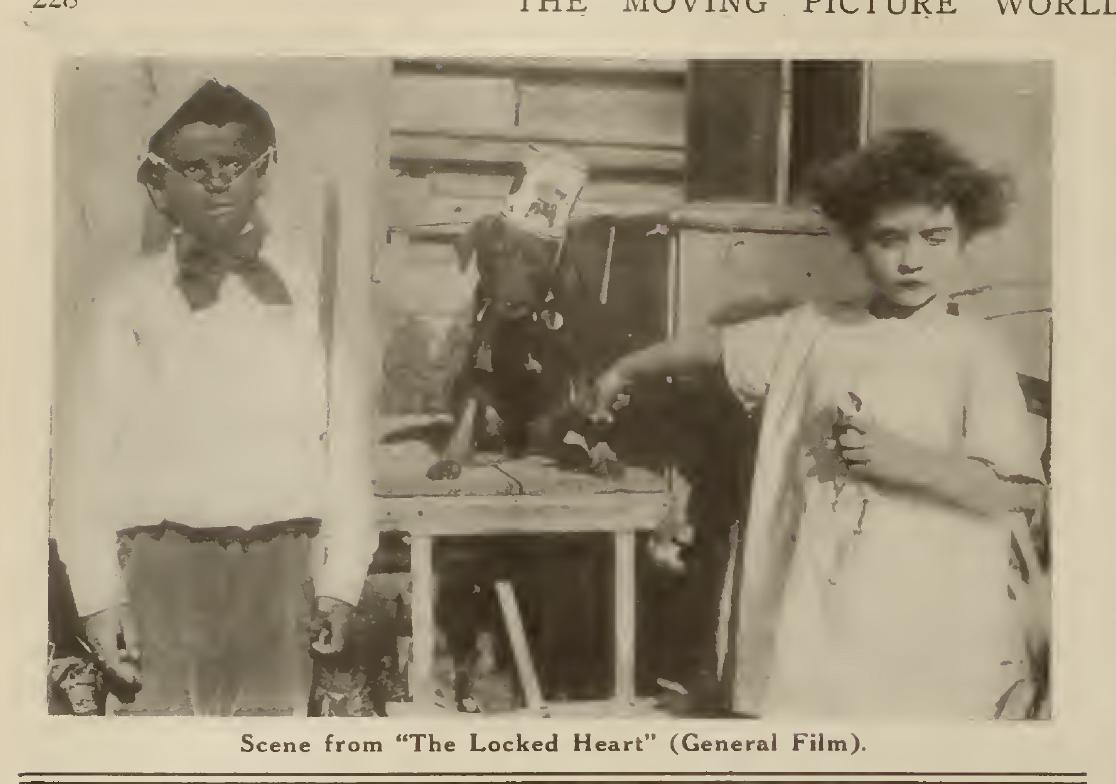
The return of Mason to his home introduces us to the older Martha, played with a luminous, unforced charm by Gloria Joy. In the pantheon of child actors from this era, Joy stands out for her ability to avoid the saccharine affectations that often plagued silent performances. Her Martha is not a symbol; she is a spirited, breathing entity. The dramatic irony—Mason befriending the girl without realizing she is the daughter he abandoned—is handled with a delicate touch that avoids the histrionics found in Who Loved Him Best?.
Their burgeoning friendship serves as the film’s emotional spine. It is through Martha’s persistence that the literal and figurative locks are finally picked. The scene where she convinces Mason to open the nursery is a masterclass in tension and release. As the dust-mote-filled air of the room is disturbed for the first time in years, the film transitions from a study of avoidance to a study of reconciliation. The discovery of Ruth’s letter is the final blow to Mason’s fortress of solitude. It is a moment that echoes the moral weight of Once to Every Man, emphasizing that redemption is not a gift, but a choice one must actively make.
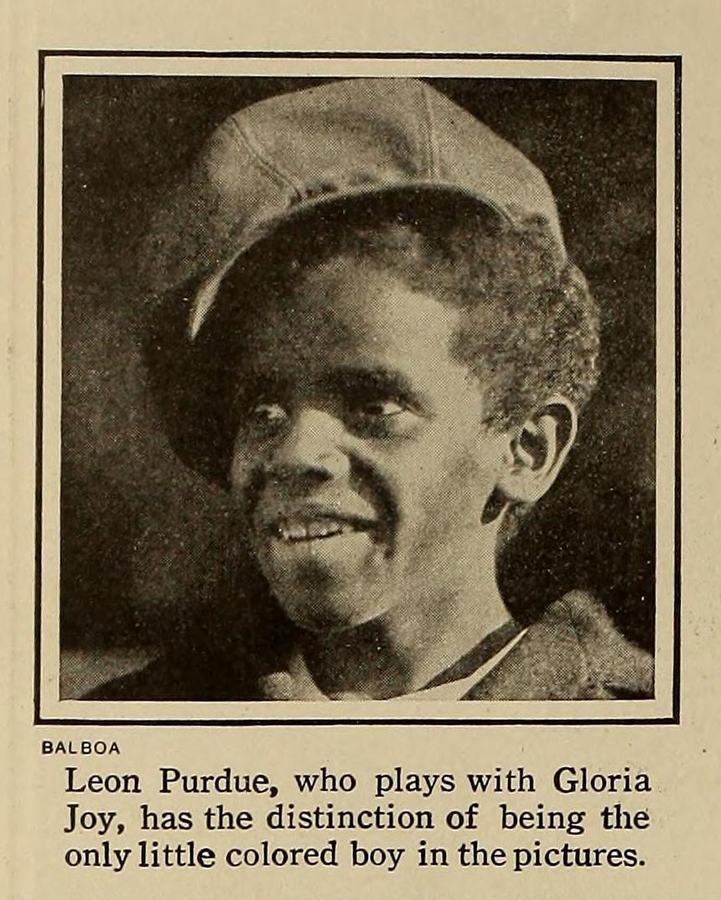
Daniel F. Whitcomb’s screenplay deserves significant credit for its structural integrity. Unlike many contemporary films that relied on episodic diversions—such as the somewhat disjointed A Girl of the Timber Claims—The Locked Heart maintains a singular focus on Mason’s internal arc. The use of the grandfather, Colonel Mason (Leon Pardue), provides a necessary grounding, offering a counterpoint of steady, albeit pained, devotion to the child.
Henry King’s direction here hints at the epic sensibilities he would later display in his more famous sound-era works. He understands the power of the 'reveal'—not just in terms of plot, but in terms of character realization. The moment Mason takes Martha to his heart is filmed with a sincerity that avoids the over-the-top theatricality of The Law of Compensation. Instead, it feels earned, a cathartic release of a decade’s worth of repressed paternal instinct. The film’s pacing, which might seem deliberate to modern audiences, is essential for establishing the sheer duration of Mason’s misery, making the final resolution all the more potent.
Released in 1918, The Locked Heart arrived at a time when the world was reeling from the collective trauma of the Great War and the burgeoning influenza pandemic. Stories of loss and the subsequent need for family reintegration were not merely entertainment; they were cultural processing agents. While films like Shame or Under galgen dealt with more externalized societal pressures, King’s film looks inward, suggesting that the most difficult wars are those fought within the domestic sphere.
In terms of its narrative sophistication, it stands head and shoulders above many of its peers. While Joseph and His Coat of Many Colors relied on biblical grandiosity, The Locked Heart finds its power in the mundane—a letter, a locked door, a child’s laughter. It shares a certain thematic DNA with The Rainbow Trail in its exploration of the search for a lost connection, but King’s work is more intimate, more focused on the psychological cost of the search rather than the physical journey.
Furthermore, the performance of Vola Vale as Ruth, though abbreviated by the plot, casts a long shadow over the film. Her presence is felt in every frame, much like the lingering influence of characters in Her Great Chance. It is this pervasive sense of 'the missing' that gives the film its unique texture. Mason’s blindness to his daughter’s identity is a poignant metaphor for how grief can obscure the very things that can heal us. It is a theme that resonates even today, proving that while the technology of cinema may evolve, the architecture of the human heart remains remarkably consistent.
Ultimately, The Locked Heart is a testament to the enduring power of the silent medium to convey complex emotional states without the crutch of dialogue. It is a film that demands empathy, not through manipulative sentimentality, but through a rigorous exploration of the consequences of a heart shuttered by pain. For those interested in the evolution of the family drama, or the early career of Henry King, it remains an essential, deeply moving experience. It is a reminder that while grief may lock the doors of our lives, it is often the very things we have rejected that hold the key to our liberation.
IMDb —
1924
Community
Log in to comment.