DbcultAccessing Vault...
4.8/10
Senior Film Conservator
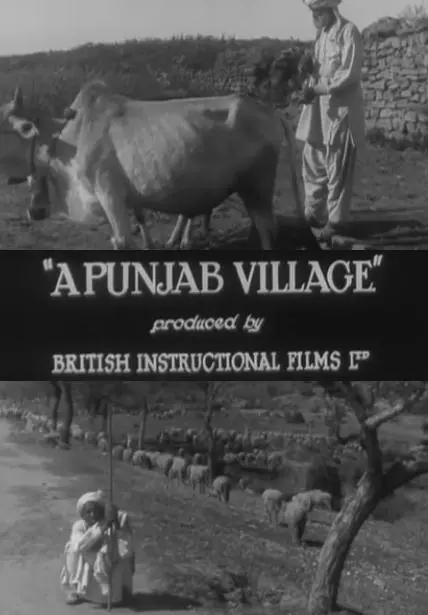
A definitive 4.8/10 rating for a film that redefined the boundaries of cult cinema. A Punjab Village remains a cornerstone of transgressive art.
James Fairgrieve, in his role as the colonial administrator, embodies the complexities of power, duty, and moral ambiguity. Set in the early 1900s, the film 'A Punjab Village' is a meticulously crafted exploration of the colonial experience, particularly within the Punjab region. The narrative unfolds through a series of vignettes that intertwine personal and political struggles, revealing the profound impact of colonial legacy on both the ruling class and the governed.
The film's setting, the Punjab region, is not merely a backdrop but a character in its own right. Its rich history, diverse cultures, and intricate socio-political dynamics are woven into the fabric of the story. Through Fairgrieve's interactions with various characters, including local leaders, ordinary villagers, and fellow administrators, the film delves into the nuances of cultural understanding and the challenges of governing a region with vastly different values and traditions.
The central conflict in 'A Punjab Village' revolves around the administrator's struggle to reconcile his duty to the colonial power with his personal beliefs and the welfare of the local population. This ethical dilemma is further complicated by the presence of internal political factions within the colonial administration, each with its own agenda. The film explores the consequences of these conflicts, both for the colonial administration and the local community, painting a picture of a system in flux, marked by tension and uncertainty.
Director and writer collaborate seamlessly to craft a narrative that is both historically grounded and emotionally resonant. The film's visual aesthetics, characterized by evocative cinematography and authentic period settings, enhance the immersive experience. Close-ups of Fairgrieve's troubled expressions, the bustling streets of Punjab, and the stark landscapes underscore the emotional and physical toll of the colonial experience. The use of archival footage and period-specific music also adds to the film's authenticity, creating a rich sensory environment that transports the audience back in time.
The performances, particularly by James Fairgrieve, are standout features of the film. His portrayal of a man torn between duty and conscience is both nuanced and compelling. Fairgrieve's ability to convey a range of emotions—from cautious optimism to bitter disillusionment—ensures that his character remains relatable and complex. Supporting cast members, including local actors, add depth to the narrative, bringing life to a diverse array of characters who reflect the multifaceted nature of colonial Punjab.
Themes of identity and legacy are central to 'A Punjab Village.' The film explores how individuals, both colonial administrators and local leaders, grapple with their identities in a rapidly changing world. The legacy of colonial rule is omnipresent, shaping the lives of characters and influencing their decisions. This theme is particularly poignant in scenes where characters reflect on the past and its enduring impact on the present. The film also touches on the broader implications of colonialism, questioning the morality of a system that imposes foreign values and governance on a land and its people.
Comparatively, 'A Punjab Village' stands out among other historical dramas, such as 'The Man in the Moonlight' and 'The Desert Sheik,' which also explore themes of colonialism and governance. However, where these films often focus on grand political maneuvers and battles, 'A Punjab Village' delves deeper into the personal and emotional dimensions of these experiences. It offers a more intimate and human perspective, making its narrative both relatable and thought-provoking. In contrast, films like 'Phantom Fortunes' and 'Chained to the Past' provide a more action-oriented and suspenseful exploration of colonial themes, lacking the emotional depth and historical context found in 'A Punjab Village.'
Ultimately, 'A Punjab Village' is a film that rewards close attention and reflection. Its exploration of complex historical and ethical issues, combined with its superb performances and evocative visual style, make it a compelling watch for anyone interested in the legacy and impact of colonialism. It stands as a testament to the enduring relevance of historical dramas in understanding our past and its ongoing influence on the present.

IMDb —
1931
Community
Log in to comment.