DbcultAccessing Vault...
Cult Review
Senior Film Conservator
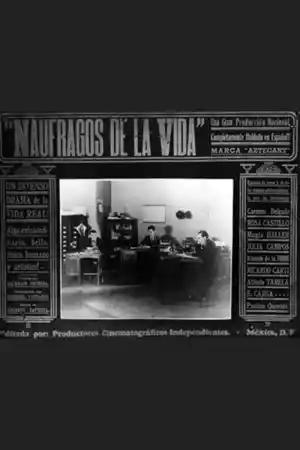
Okay, let’s talk about Abismos. Is this one worth digging up today? Well, if you’re into slow-burn dramas, especially the kind from a bygone era that really lean into human frailty, then yeah, you might find something here. It’s definitely not for folks who need fast action or clear-cut answers. If you get bored easily or want something flashy, you’ll probably hate it. This is more of a contemplative watch.
The movie drops us into this world of seemingly proper people, all living in what looks like a grand old house. But right away, you feel something’s *off*. Like a hum beneath the floorboards. It’s not about monsters or grand conspiracies. It’s about the monsters we keep inside, and the secrets we bury in plain sight.
Magda Haller, she plays a woman who seems to be the quiet observer, but she’s also the one poking at all the unspoken rules. Her gaze, it just *lingers*. In one scene, she’s just sitting at the breakfast table, watching the others, and you can almost feel her weighing their words, their gestures. It’s a very quiet performance, but it carries so much.
And then there’s Raquel Caudillo’s character. She’s the picture of elegance, always composed. But there’s this **flicker** in her eyes sometimes. Especially when certain topics come up. Like a glass that’s about to shatter. You can almost see the movie *trying to convince you* that her composure is about to break, and it mostly works.
The pacing is… deliberate. Some might say slow. There’s a long sequence, maybe five minutes, of just people walking through dimly lit hallways. No dialogue. Just footsteps and shadows. It felt a little drawn out, like the silence starts to feel awkward rather than purely emotional after a bit. But it does build this sense of something being hidden, doesn't it? Like the house itself is holding its breath. 🤫
One small thing I kept noticing was Esteban Cajiga's character. He plays this rather stiff, formal man. And he’s always, always adjusting his tie. Or maybe just touching it. It’s such a tiny tic, easy to miss, but it gave him this nervous energy that wasn't always obvious in his dialogue. It’s those little moments that stick with you. The film doesn't explain these things; it just *shows* them.
The setting itself, that grand old house, feels like a character. Heavy curtains, dark wood, all these tight, enclosed spaces. It adds to the feeling of people being trapped, doesn't it? Like the walls are closing in on all their little deceptions. The way the light, or lack thereof, falls on certain rooms – it really sells that *brooding* mood.
The whole thing feels very much of its time, too. The way people talk, the formal language, the dramatic pronouncements. It’s not how we speak now. Sometimes it feels a little *theatrical*, like watching a play on film. But that’s also part of its charm, if you’re into that kind of thing. It’s a peek into another era of storytelling.
There's a scene where a letter is found, and the way the camera holds on the character’s hand, trembling slightly as they open it… it’s a simple shot, but effective. You know it’s bad news without a single word. That’s good filmmaking right there, letting the actors and the moment do the work.
Carmen Delgado’s character, she’s sort of in the background a lot, but there’s this one shot of her by a window, just staring out. Her face is totally blank, yet you feel this immense sadness. It's a quick shot, maybe three seconds, but it just hangs there. You wonder what she’s seen, or what she’s trying to forget. It’s the kind of thing that makes you pause the movie just to look at it again.
The ending doesn't give you a neat little bow. It’s actually quite open, a bit bleak even. You’re left thinking about the characters, their choices, and what really lies beneath the surface of any family. It makes you wonder what *other* secrets are still lurking in those dusty corners. It’s not a feel-good movie, not by a long shot. But it does leave you with a feeling, a lasting impression, which is more than you can say for a lot of films.
IMDb 6.7
1932
Community
Log in to comment.