DbcultAccessing Vault...
8.1/10
Senior Film Conservator
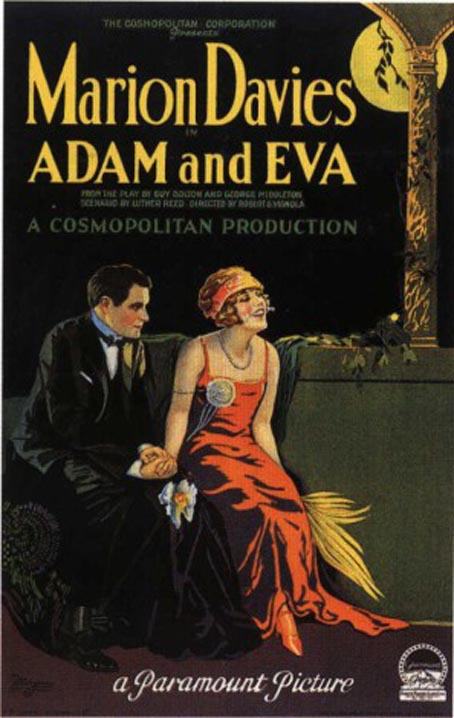
A definitive 8.1/10 rating for a film that redefined the boundaries of cult cinema. Adam and Eva remains a cornerstone of transgressive art.
From the moment the camera lingers on the opulent ballroom of the Whitmore mansion, the film immerses the viewer in a world where silk drapes cascade like waterfalls and crystal chandeliers scatter light in a kaleidoscope of excess. Dorothy Portingall, embodying Evelyn with a blend of coquettish allure and unbridled vanity, commands the screen with a magnetic presence that feels both intoxicating and precarious. The opening sequence, scored by a subtle yet haunting piano motif, underscores the fragile equilibrium of wealth and reputation that the Whitmore family precariously balances.
When Bradley Barker’s portrayal of Charles Whitmore—once a titan of industry—receives the crushing blow of bankruptcy, the film pivots dramatically. The director’s choice to linger on the moment Charles receives the telegram, the ink barely drying on the final notice, is a masterstroke; the silence is punctuated only by the distant clink of glassware, a reminder of the world that continues unabated beyond the personal catastrophe.

Evelyn’s reaction is initially one of denial, a manic sprint through the mansion’s corridors, demanding explanations from a bewildered staff. Yet, as the creditors begin to file claims—represented with a chilling efficiency by William B. Davidson’s austere lawyer—Evelyn is forced into an arena where the trappings of aristocracy crumble under the weight of fiscal reality.
Leon Gordon delivers a nuanced performance as the steadfast but weary family steward, whose loyalty to the Whitmore name is tested as he balances compassion with the harsh demands of survival. His understated gestures—a lingering glance at the empty pantry, a hesitant hand on Evelyn’s shoulder—speak volumes about the shifting power dynamics within the household.
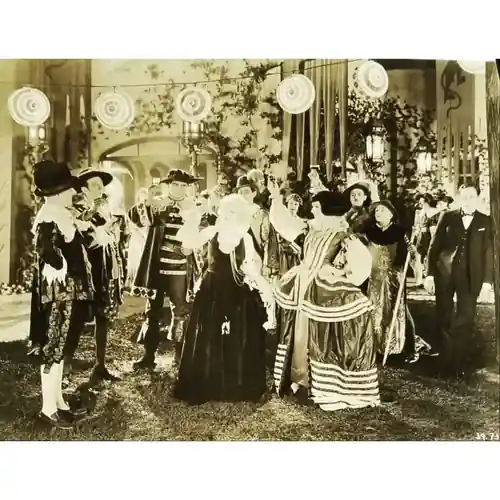
Luella Gear, as the sharp‑tongued aunt Margaret, provides a counterpoint to Evelyn’s naiveté. Her dialogue, laced with sardonic wit, serves as a mirror reflecting the inevitable decay of the Whitmore empire. The interplay between Gear’s seasoned cynicism and Portingall’s youthful obstinacy creates a tension that propels the narrative forward.
While A Sagebrush Gentleman explores the redemption of a fallen rancher through frontier resilience, Adam and Eva mirrors this trajectory within an urban aristocracy, substituting dusty plains for marble foyers. Both films, though disparate in setting, converge on the theme that true character is forged in adversity.
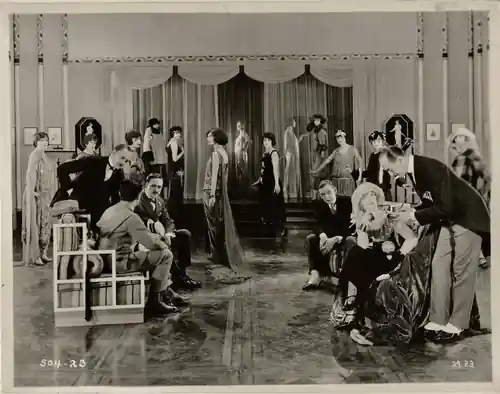
Similarly, the narrative beats of Aladdin from Broadway—where a charismatic rogue navigates the labyrinth of wealth and deception—resonate with Evelyn’s own descent from privileged oblivion to gritty self‑reliance.
The cinematography employs a stark contrast between the saturated golds of the Whitmore’s former grandeur and the muted, desaturated tones that dominate after the collapse. This visual dichotomy underscores Evelyn’s internal transformation; as the world around her loses its luster, her perception sharpens, revealing layers of character previously obscured by silk and satin.
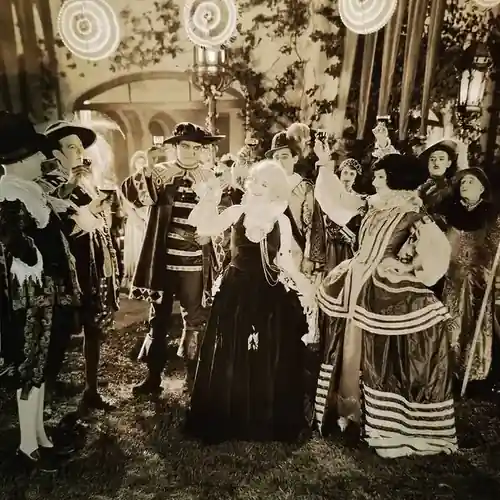
The director’s use of chiaroscuro lighting, especially in scenes where Evelyn wanders the dimly lit corridors at night, evokes a sense of introspection. Shadows elongate, mirroring the elongated path she must travel toward self‑discovery.
The screenplay, crafted by George Middleton, Luther Reed, and Guy Bolton, adheres to a three‑act structure that feels both classical and refreshingly organic. Act One luxuriates in excess, establishing Evelyn’s world with a flourish of dialogue that crackles with wit. Act Two introduces the inciting incident—Charles’s bankruptcy—and propels Evelyn into a series of misadventures: a failed attempt at managing the household finances, a humiliating encounter with a pawnshop owner, and a poignant moment of solidarity with the house staff.
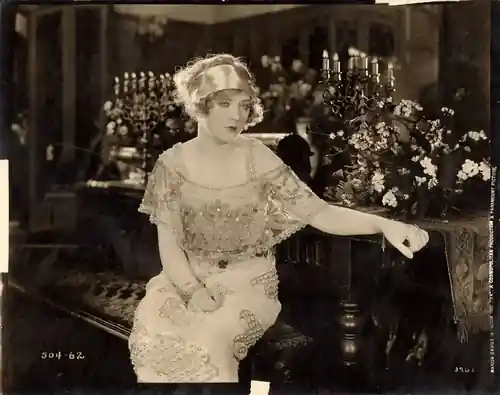
Act Three culminates in Evelyn’s decisive act of agency: she orchestrates a community fundraiser, leveraging her social connections not for personal gain but to restore the livelihoods of those who have remained loyal. This climax, executed with a blend of earnestness and theatrical flair, cements her evolution from a frivolous socialite to a compassionate leader.
At its core, Adam and Eva interrogates the fragility of social hierarchies. The film posits that wealth is a veneer, easily stripped away, revealing an essential humanity that transcends class. Evelyn’s journey is not merely a personal redemption but a commentary on the broader societal shifts of the 1920s—a period marked by economic volatility and the redefinition of gender roles.
The title itself, a playful inversion of the biblical Adam and Eve, suggests a parallel between the original sin of hubris and Evelyn’s initial moral lapse. Her eventual ‘expulsion’ from the garden of opulence leads to a new Eden, one cultivated through empathy and communal solidarity.
The film’s score, though sparse, employs recurring motifs that echo Evelyn’s emotional state. A plaintive violin line surfaces during moments of isolation, while a buoyant brass ensemble underscores scenes of collective triumph. The auditory palette aligns seamlessly with the visual shifts, enhancing the immersive experience.
Although eclipsed in popular memory by more flamboyant contemporaries, Adam and Eva stands as a testament to nuanced storytelling within the silent era. Its exploration of gender dynamics prefigures later feminist narratives, and its emphasis on community over individual wealth anticipates the social realism that would dominate mid‑century cinema.
Comparisons to later works such as The Heart of a Girl reveal a lineage of films that champion inner strength over external adornment.
Adam and Eva delivers a richly textured portrait of a woman’s metamorphosis against the backdrop of financial ruin. Its stellar ensemble cast, meticulous direction, and resonant themes coalesce into a work that rewards repeated viewings. For cinephiles seeking a blend of period elegance and timeless human insight, this film offers an experience that is both intellectually stimulating and emotionally satisfying.
IMDb 8
1936
Community
Log in to comment.