DbcultAccessing Vault...
5.2/10
Senior Film Conservator
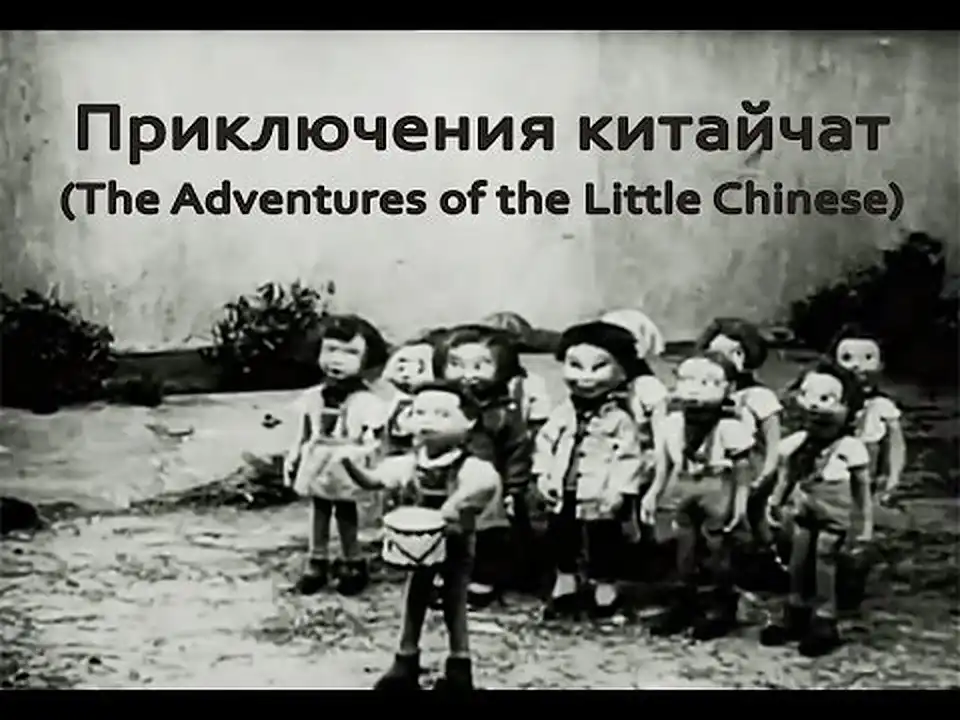
A definitive 5.2/10 rating for a film that redefined the boundaries of cult cinema. Adventures of the Little Chinese remains a cornerstone of transgressive art.
Okay, so Adventures of the Little Chinese is definitely one of those films you watch less for pure entertainment and, well, more for a real peek into a very specific moment in history. If you're into old, obscure animation, especially when it's got a strong political bent? Yeah, you'll probably find it fascinating. But anyone expecting a lighthearted children's tale or something totally neutral? Probably not for you. It’s a stop-motion cartoon, from the Soviet Union, and it really wears that on its sleeve, you know?
The basic setup is pretty simple. There are these two young Chinese kids, a brother and sister, and they’re living under some pretty rough conditions. Not good at all. They just decide they've had enough of it. Their big quest? Find a land where there’s no slavery, no racism. A place where everyone is treated fairly. Sounds like a noble, powerful dream, right?
What hits you immediately, I think, is the stop-motion work itself. It’s not, like, bad for its time, but it’s got that classic, slightly jerky, hand-made feel to it. You can almost feel the fingerprints on those little puppet figures. The characters themselves, though, are drawn with some rather, uh, distinct features that might make you do a double-take today. Very much a product of its era's visual shorthand for "Chinese children," which, yeah, is a bit uncomfortable to see now.
Their journey is a tough one, no doubt. They wander through these really stark, almost desolate landscapes. There’s one bit where they’re just trudging across a vast, empty plain, and the sheer scale feels huge for such small figures. It really sells their vulnerability, you feel for them. The world they’re running from is shown as really oppressive, with shadowy, looming figures and what seem like very cruel taskmasters. You definitely get this strong sense of their desperation. Their little faces, even in puppet form, show that struggle.
And then, the big reveal. After all this struggle, all this searching, they finally find their promised land. And it’s… the Soviet Union. Surprise! 😮 The film just pivots into this bright, idealized vision of collective farms and smiling, welcoming people. One minute they’re starving, the next they’re being greeted with open arms and big loaves of bread. The suddenness of it all is pretty jarring, honestly. You see them playing with other children, looking happy and absolutely free. It's such a stark contrast to everything that came before. The color palette even shifts, becoming much brighter, more vibrant.
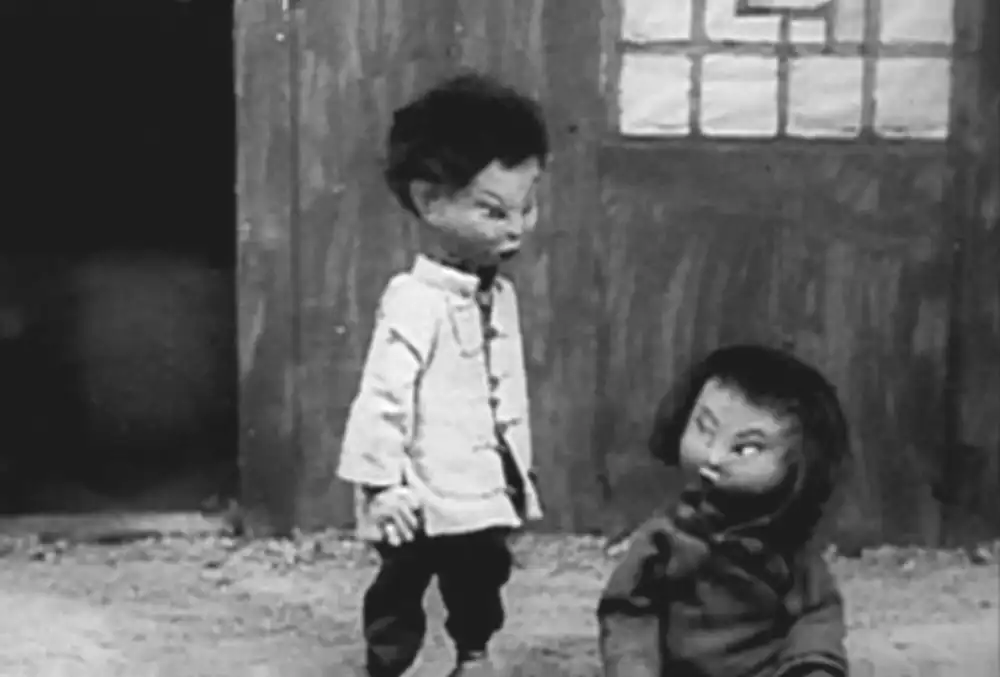
I kept thinking about the implications. Like, these kids literally travel across the world, encountering all sorts of hardships, and it all leads to this specific political ideology. It’s not subtle. It’s like a visual essay, really hammering home, "This is where true freedom lies." The whole thing feels less about the actual adventure and more about the destination's political message. The intent behind it is so clear, it almost overshadows the actual craft sometimes.
There’s this particular moment when they first cross what's clearly meant to be the Soviet border. The music changes dramatically. It goes from this sort of melancholic, hopeful tune to something much more triumphant and optimistic. It's a real, A-ha! moment for the film’s message. And the depiction of the Soviet people? All rosy cheeks and friendly smiles. Not a single frown in sight. It's almost too perfect, you know? Like, nobody ever has a bad day there.
You can tell a lot of actual care went into the animation, even with the obvious limitations of the era. The way the kids move, their little gestures, the subtle tilts of their heads. Mariya Benderskaya, the director, really makes those puppets feel alive, even when they're essentially delivering a very specific political message. It’s an interesting, if sometimes uncomfortable, balance. The little details, like how the wind is animated or the specific way a character turns, these things show real effort.
So, is it a good movie in the traditional sense of a narrative film? That's really hard to say. As a piece of historical propaganda, it’s undeniably effective for its time and audience. As a piece of animation history, especially exploring early stop-motion and its global reach? Absolutely worth seeking out. But as a story for modern audiences without that crucial historical context? It’s going to feel… well, heavy-handed. The end just ties up everything so neatly with a big red bow. There’s no ambiguity, no lingering questions about their future. Just pure, unadulterated utopian vision.
It’s less a journey of discovery for the characters, and more a very clearly guided tour to a predetermined answer. Still, it's a fascinating artifact, a real window. Makes you think about how stories get told, and who tells them, you know? 🤔 And for what reasons. It's a short film, so it gets its message across quick.
IMDb 5.3
1936
Community
Log in to comment.