DbcultAccessing Vault...
5.6/10
Senior Film Conservator
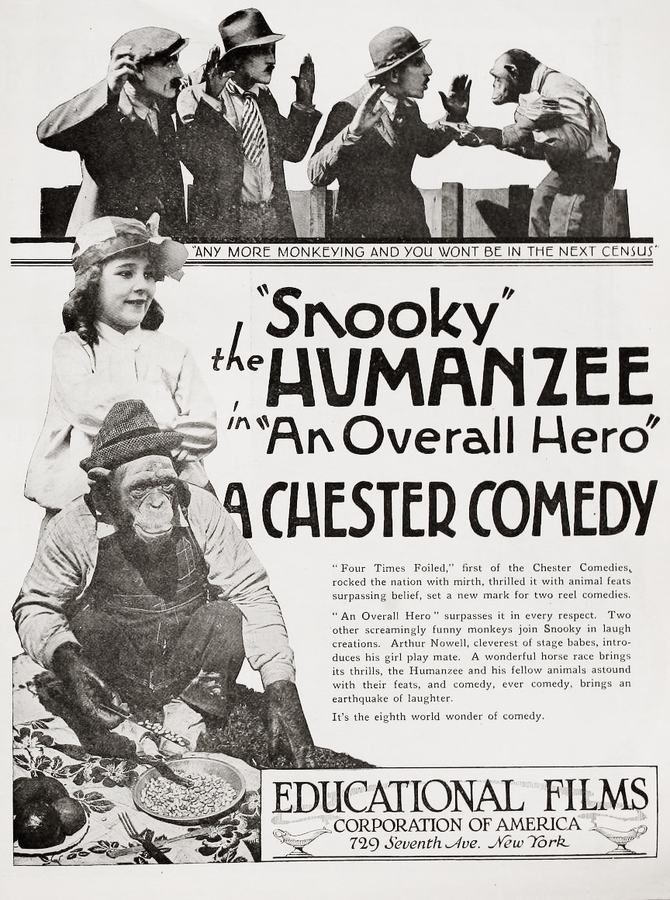
A definitive 5.6/10 rating for a film that redefined the boundaries of cult cinema. An Overall Hero remains a cornerstone of transgressive art.
The racetrack has always been cinema’s perfect microcosm—fortunes swapped faster than a shutter click, the scent of crushed clover mingling with human desperation. In An Overall Hero that enclosed universe shrinks even further, until the grandstand becomes a playground for moral arithmetic where innocence and mischief share the same betting window.
Director Arthur Nowell—doubling as the crooked track announcer—recognizes that the silent frame can stretch time like taffy. He lingers on hooves kicking up chalky dust, cuts to Tildy’s widening eyes, then back to the finish line: a triangulation of tension no talkie could interrupt. The absence of dialogue becomes a canvas for gestural storytelling; every shrugged shoulder or flared nostril feels like a subtitle written in wind.
The plot, gossamer-thin yet gleefully baroque, hinges on the most American of pastimes: finding a loophole. Tildy’s discovery of the dope syringe is staged like a sacrament—moonlight knifing through barn-plank gaps, the camera dollying until the glinting needle fills the frame. You half expect an intertitle screaming “SIN,” but Nowell trusts the audience’s pulse to supply the sermon. Likewise, Jo-Jo’s intervention is never reduced to cheap monkeyshines; his every cocked eyebrow suggests a primate’s grasp of moral balance sheets.
When the villains pivot to vengeance, the film morphs into a suburban odyssey: boxcars become battlements, betting slips transform into origami ammunition. One breathtaking gag involves Jo-Jo riding a clattering handcar, derby hat pinned to his skull, while Tildy steers by yanking an over-sized brake lever. The stunt choreography evokes Shadows of Suspicion’s urban chase, yet swaps noir menace for carnival exuberance.
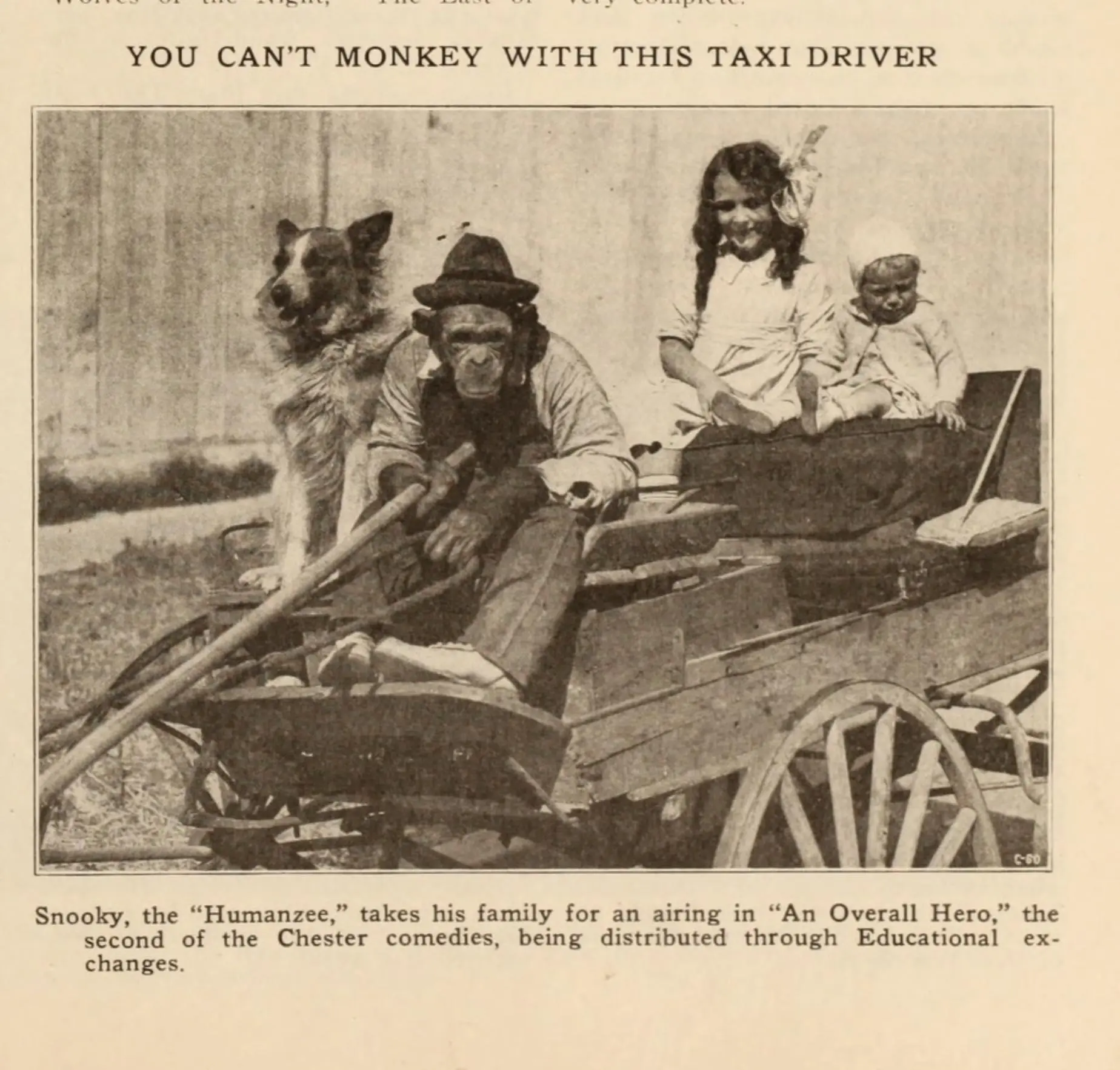
Ida Mae McKenzie’s Tildy is the rare child performance that never cloys. She projects the conspiratorial glee of someone who has read the script of life and found all the jokes. Notice how she pockets a stolen racing form: quick as a card-shark, yet the grin she shoots the camera is pure playground swagger. Beside her, Snooky the chimp earns top billing with the balletic timing of a vaudevillian. Their duet inside the feed room—an impromptu waltz atop grain sacks while evading Charlie’s torch beam—deserves a spot in the pantheon of silent physical comedy.
Arthur Nowell’s own turn as the crooked announcer is deliciously oily; he sells the race like a fire-and-brimstone preacher, only to melt into cowardice when Jo-Jo swings from the judge’s stand. Compare this to the battlefront bravado in At the Front with the Allies, where bravado masks trauma; here bravado masks larceny, and the collapse is played for slapstick, not pathos.
Cinematographer Frank Zucker shoots the track at high noon, letting overexposed whites bleach the scene into moral vagueness; later, under the bruised dusk, shadows lengthen until every character looks guilty. The color palette we can only imagine—sepias bleeding into rust—finds its spiritual echo in the film’s fascination with stained currency. Betting slips flutter like wounded birds across the screen, each one a promissory note on someone’s future.
Nowell repeatedly frames Tildy through circular apertures: a wagon wheel, a betting booth window, the O in TOTALIZATOR. The motif hints at determinism—the racetrack as clockwork—yet the story sides with caprice. A single banana peel chucked by Jo-Jo is enough to jam the gears, proving that cosmic machinery bows to primate prankishness.
Archival prints often travel with new scores; the 2018 restoration features a brass-forward quartet that punctuates every pratfall with kazoo mock-trumpets. The juxtaposition—raucous horns against mute images—mirrors the film’s thematic duel between innocence and corruption. One crescendo syncs perfectly with a slow-motion shot of Jo-Jo vaulting a fence; the tuba supplies the gravitational heft, the kazoo the anarchic squeal. It’s the closest silent cinema comes to sampling.
In an era when adult women were often relegated to wide-eyed victims, An Overall Hero passes the agency baton to a girl barely out of pinafores. Tildy’s ingenuity isn’t gendered as tomboyish pluck; it’s simply competence, the birthright denied to many female characters in contemporaneous fare like Buchanan’s Wife. Jo-Jo, meanwhile, operates as trickster deity, a primate Puck whose very presence destabilizes human hierarchies. Together they stage a working-class coup against entrenched male corruption, a theme that reverberates through the labor unrest dramas of the decade.
The film’s moral universe feels galaxies away from European fatalism. Consider Krigsmillionæren’s icy meditation on war profiteering, or the existential dread inside Das Tagebuch des Dr. Hart. Where those films stare into the abyss, An Overall Hero flips the abyss the bird, then hands it a banana. Even within domestic output it stands apart: The Heart Beneath wallows in moral compromise, whereas this picture argues that compromise buckles once a chimp starts flinging literal and figurative nuts.
For decades the sole surviving element was a 9.5 mm Pathé Baby reel tucked in a Belgian attic. A 2018 crowdfunding campaign financed a 4K restoration from a Dutch nitrate print, complete with English and French intertitles. The result—grain lovingly preserved, scratches tastefully tamed—now streams on specialty platforms and occasionally tours rep houses with live accompaniment. Physical media remains elusive; rumor points to a boutique Blu-ray in 2025 loaded with a new making-of doc and an essay on primate performers.
Calling An Overall Hero merely charming is like calling a tornado breezy. Beneath its knockabout surface runs a sly manifesto: the house always wins, unless a kid and her chimp rewrite the odds. Nowell’s silent riot endures because it believes—ferociously, irrationally—in the power of the small to unseat the mighty, one banana peel at a time. Stream it, project it, let it gallop across your living-room wall; just keep your betting slips within reach. You never know when you’ll need to place a wager on innocence.
IMDb 5.5
1923
Community
Log in to comment.