DbcultAccessing Vault...
7.3/10
Senior Film Conservator
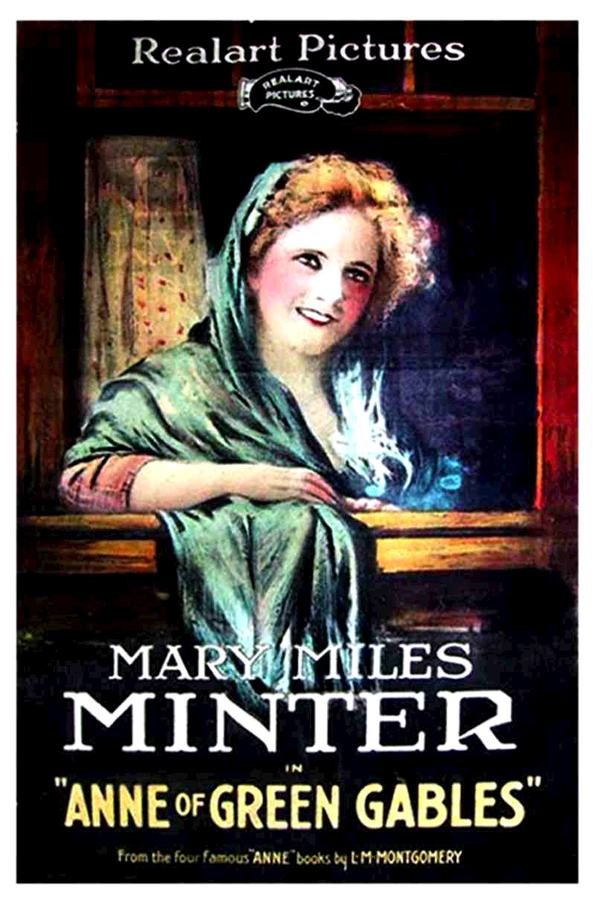
A definitive 7.3/10 rating for a film that redefined the boundaries of cult cinema. Anne of Green Gables remains a cornerstone of transgressive art.
When Frances Marion adapted Lucy Maud Montgomery's seminal novel for the screen in 1919, she performed cinematic alchemy – transmuting ink into light, paragraphs into photoplay. Director William Desmond Taylor and star Mary Miles Minter conjure a Prince Edward Island that exists simultaneously as tangible farmland and metaphysical dreamscape. The camera doesn't merely document Anne Shirley's journey; it becomes her accomplice in re-enchanting the world. Consider the early sequence where Anne first rides through Avonlea: trees blur into emerald streaks, fences dissolve, and the very celluloid seems to vibrate with her desperate hope. This isn't realism; it's emotional cartography.
Mary Miles Minter's Anne operates on three interconnected planes: the volcanic external expressiveness (flailing limbs during temper tantrums), the translucent vulnerability in close-ups (quivering lips when rejected), and that ineffable interior luminosity when imagination takes flight. Watch the 'Lake of Shining Waters' scene: as she describes nonexistent dryad groves to skeptical Marilla, Minter's pupils dilate, fingertips tracing invisible patterns in the air, her body becoming a conduit between prosaic kitchen walls and enchanted forests. Unlike the calculated coquetry of her A Princess of Bagdad role, here Minter radiates unchecked authenticity.
Frederick Burton's Matthew Cuthbert deserves equal acclaim. His performance is a masterclass in silent restraint – shoulders curling inward like a parenthesis around unspoken affection, calloused hands fluttering near Anne's hair without touching. The film's most devastating moment comes not from dialogue, but from Matthew's crumpled posture after selling his prized horse to fund Anne's education, the hollowness in his eyes speaking volumes about sacrificial love.

Taylor's direction inventively mirrors Anne's psychology through visual motifs. Recurring water imagery – rain-soaked paths, spilled inkwells, tear-streaked cheeks – becomes an elemental metaphor for emotional fluidity versus societal rigidity. When Anne smashes her slate over Gilbert's head, the fracture lines visually echo the cracked ice on the pond where she later nearly drowns, suggesting how rebellion and vulnerability intertwine.
Cinematographer Hal Young employs radical techniques for 1919: soft-focus close-ups during Anne's flights of fancy give way to stark, deep-focus compositions during confrontations with Mrs. Lynde. The infamous hair-dying sequence uses iris shots and distorted angles, transforming a comedic mishap into a surrealist nightmare. Such techniques predate the German Expressionism of Der Eisenbahnmarder, yet remain grounded in emotional truth.
Beneath its pastoral surface, the film wrestles with profound themes often overlooked in contemporary reviews. Anne isn't merely an orphan; she's an existential insurgent challenging Avonlea's social hierarchies. Her clashes with Mrs. Barry and schoolteacher Mr. Phillips expose adult hypocrisy regarding class and gender. When she declares "I'm in the depths of despair," it's not adolescent melodrama but a radical articulation of female interiority in an era demanding female silence.

The film's treatment of trauma proves remarkably modern. Anne's flashback to her time with Mrs. Hammond – conveyed through jagged jump-cuts of screaming infants and looming shadows – depicts childhood PTSD with startling sophistication. Compare this to the simplistic victimhood in Within the Law. Here, trauma fuels creativity rather than crippling it, making Anne's resilience revolutionary.
Lincoln Stedman's Gilbert Blythe redefines romantic leads. Their chemistry manifests not through stolen kisses but through intellectual sparring – grammar battles that crackle with more tension than any love scene. The famous reconciliation rowboat scene achieves profound intimacy without physical contact: Gilbert's hand hovering near the oar as Anne speaks, their synchronized breathing fogging the morning air, competing ambitions momentarily harmonizing. This dynamic foreshadows screwball comedy but with psychological depth unmatched by Midnight at Maxim's superficial flirtations.
Viewing Anne within its historical context reveals radical subversions. While most 1919 films reinforced post-war traditionalism (The Dawn of Freedom), Anne championed female intellectual ambition. When Matthew proclaims "She's got a head full of learning," it lands as progressive manifesto. Similarly, Marilla's arc from frosty spinster to maternal warmth subtly critiques patriarchal constraints on unmarried women.
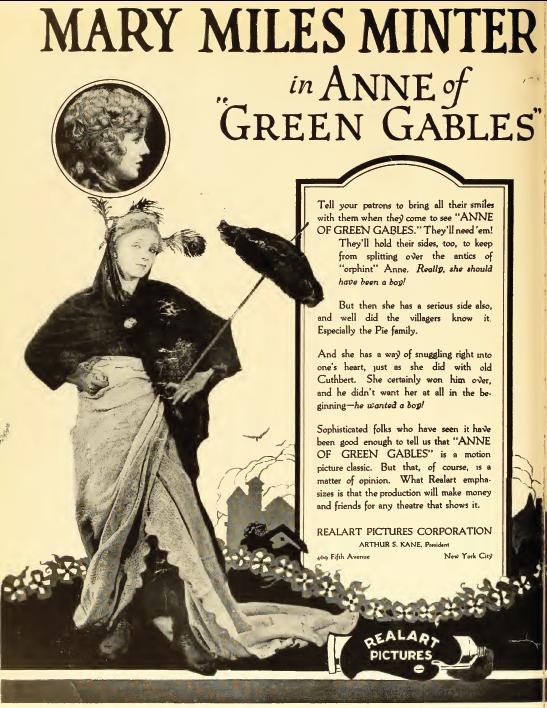
The film's environmental consciousness feels prescient. Anne's bond with nature isn't quaint backdrop but ecological empathy – her mourning for the "Haunted Wood" ravaged by logging predates modern conservation themes. Cinematographer Young shoots landscapes as sentient entities: cherry blossoms tremble in sympathy when Anne cries, storms manifest her rage.
Modern critiques often cite the compressed third act as weakness, yet this acceleration mirrors Anne's own dizzying maturation. The controversial excision of Matthew's funeral – replaced by his empty rocking chair – proves more devastating than any graveside scene. While Hazel Sexton's Diana lacks Diana Barry's voluptuous warmth from the novels, her porcelain fragility creates compelling contrast with Minter's vitality.
The film's greatest limitation stems from era-specific constraints: African Canadian characters from the novels vanish entirely, flattening Prince Edward Island's racial realities. This erasure contrasts sharply with Gambler's Gold's problematic but present diversity.
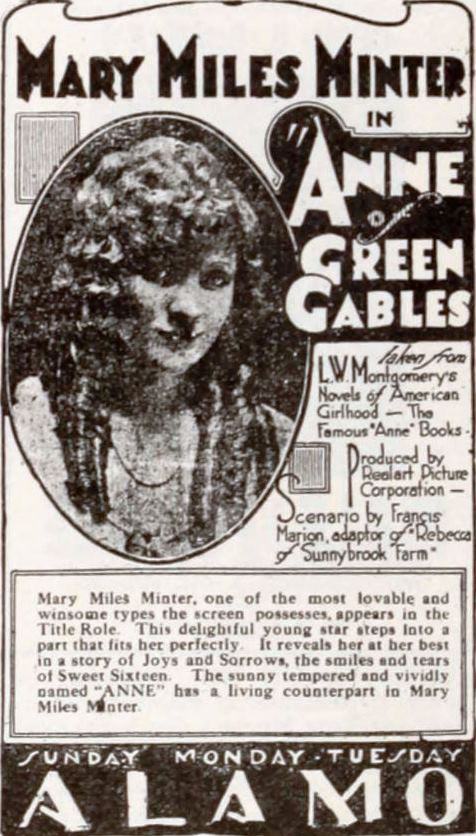
Beyond technical achievements, the 1919 Anne endures because it understands Montgomery's core thesis: imagination as survival mechanism. When Anne transforms Marilla's amethyst brooch from mere accessory to enchanted talisman, she models how creativity alchemizes scarcity into abundance. In our dystopian era, this message feels urgently vital.
Unlike later saccharine adaptations, this version embraces Anne's darkness – her rage, grief, and sharp edges. The famous raspberry cordial sequence becomes not just comedy but social critique: Diana's drunken giggles mocking temperance hypocrisy. Such layered storytelling surpasses even John Glayde's Honor's moral complexity.
The film's supreme achievement lies in translating Montgomery's verbal brilliance into visual poetry. Intertitles don't merely convey dialogue; they become typographic performances – Anne's speeches rendered in swirling cursive, Marilla's admonishments in severe block capitals. The "depths of despair" line appears over an abyss-like well shot from above, letters trembling at the edge of darkness.
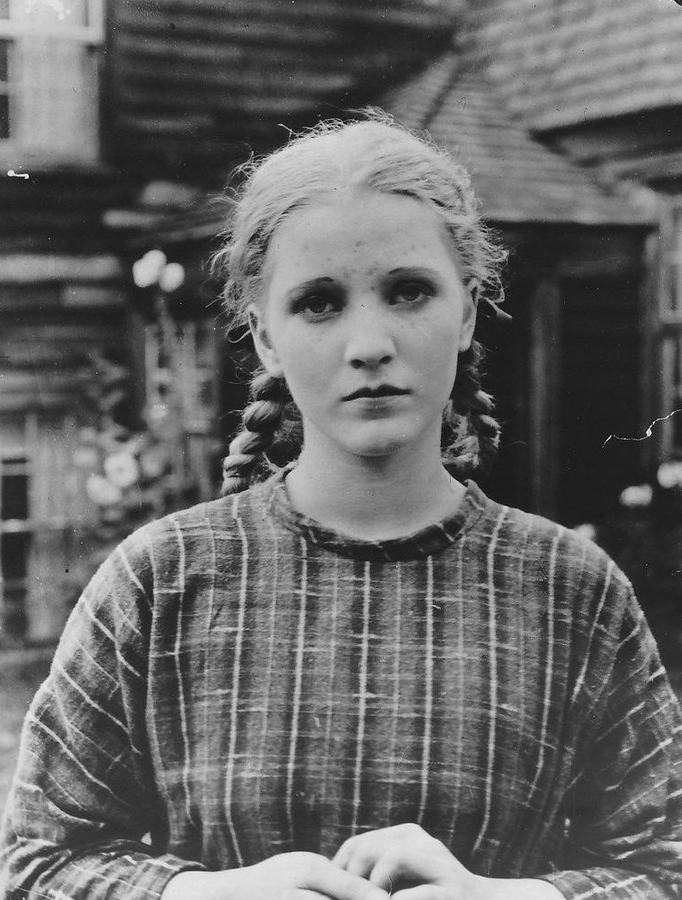
Symbolic objects gain profound weight: the cracked sugar bowl representing inherited trauma, Anne's slate as both weapon and canvas. When Matthew gives Anne the puffed-sleeve dress, the fabric unfurls like liquid amethyst – not just clothing but armor for her emerging identity. Such details eclipse the material fixations of A Nine O'Clock Town.
To watch Anne of Green Gables today is to commune with cinema's primal power – its ability to forge kinship across centuries. Minter's performance remains astonishingly modern; her fourth-wall-breaking glances invite us into conspiracy, making viewers co-conspirators in her dreams. The film's final image – Anne silhouetted against her beloved Avonlea horizon, books clutched like weapons against the future – transcends period piece to become timeless testament to resilience.
In an era dominated by wartime narratives like Torpedoing of the Oceania and moralistic fables like Seven Deadly Sins, Taylor and Marion gifted us something radical: a heroine who triumphs through vulnerability, who conquers not territory but hearts. The moss on Green Gables' roof still glows with cinematic chlorophyll, the White Way of Delight still shimmers, and Anne Shirley remains cinema's most luminous advocate for the transformative power of naming things beautifully.
IMDb 4.9
1936
Community
Log in to comment.