DbcultAccessing Vault...
7.5/10
Senior Film Conservator
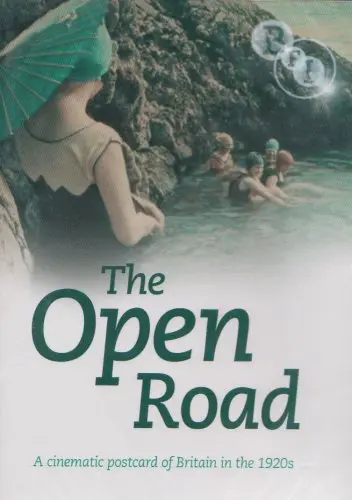
A definitive 7.5/10 rating for a film that redefined the boundaries of cult cinema. The Open Road remains a cornerstone of transgressive art.
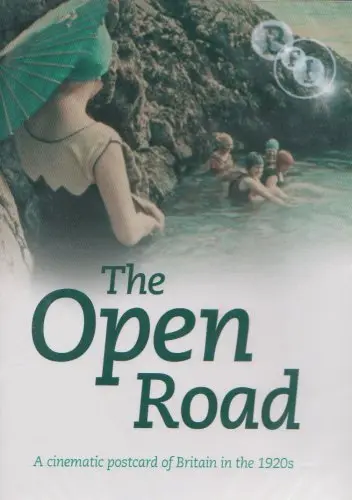
Short answer: yes, but it requires a different kind of engagement from today's viewers. This silent travelogue, filmed between 1924 and 1926, captures the essence of a motor journey across Britain, offering a glimpse into early 20th-century England. If you're interested in early cinema, British history, or the evolution of travel documentation, The Open Road is a fascinating piece of work. However, if you're expecting a modern, fast-paced, and engaging film, you might be disappointed. This film is a testament to the ingenuity of early filmmakers and the beauty of the landscape, but its pace and narrative structure are more suited to a slower, more contemplative viewing experience.
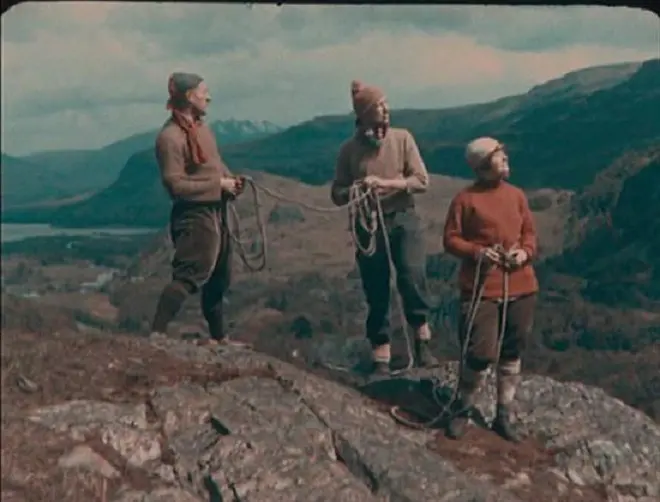
This film works because of the meticulous attention to detail in capturing the landscape and the quieter moments of human interaction. The two-color additive process used by Friese-Greene adds a unique aesthetic quality to the film, making it a visual treat. Each frame is carefully composed, and the journey itself, with its slow progression and numerous stops, allows the viewer to absorb the beauty of the surroundings.
This film fails because of its slow pacing and lack of narrative drive. The journey is essentially a series of vignettes without a clear beginning, middle, or end. While the journey itself is fascinating, the film as a whole feels disjointed and lacks the coherence of a more structured narrative. The lack of dialogue and sound also makes it more difficult to connect with the characters and the story.
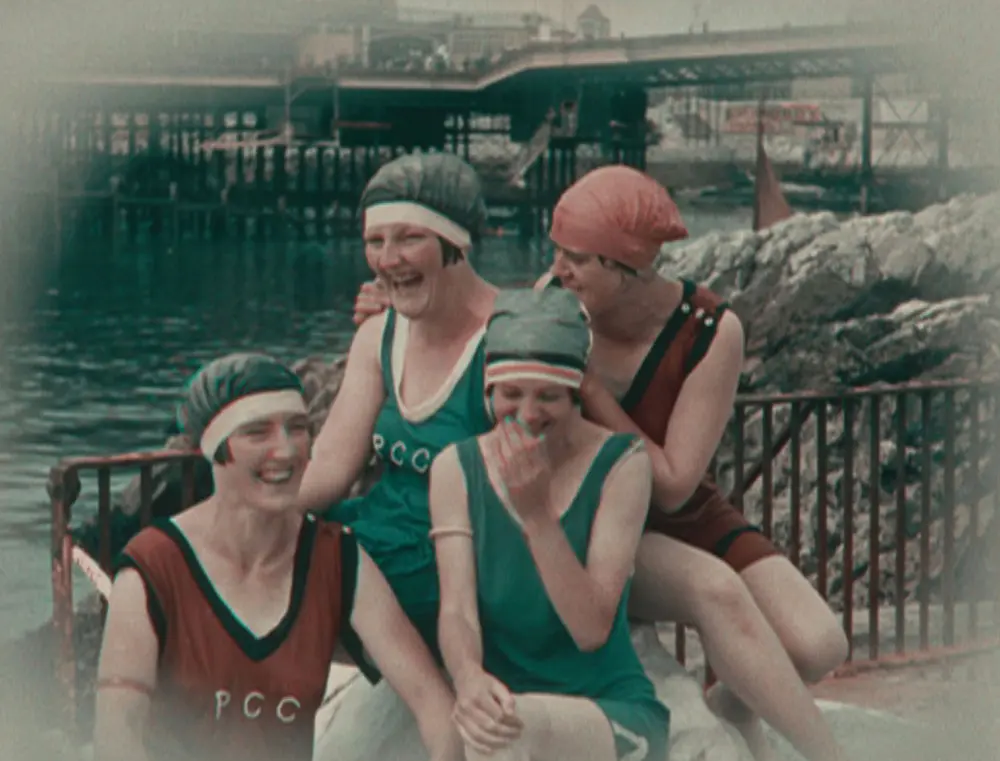
You should watch it if you're interested in the history of cinema, the evolution of travel documentation, or the beauty of early British landscapes. The film is a fascinating piece of work, and its unique aesthetic and historical context make it a valuable addition to any film collection. However, if you're looking for a modern, engaging film with a clear narrative, you might want to look elsewhere.
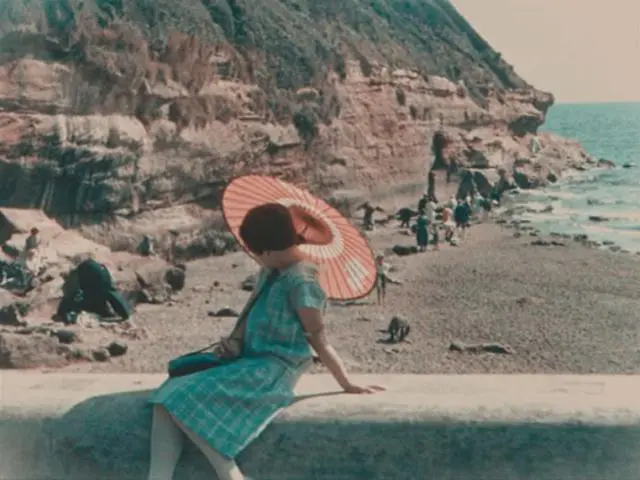
Short answer: yes, but it requires a different kind of engagement from today's viewers. This silent travelogue, filmed between 1924 and 1926, captures the essence of a motor journey across Britain. If you're interested in early cinema, British history, or the evolution of travel documentation, The Open Road is a fascinating piece of work. However, if you're expecting a modern, fast-paced, and engaging film, you might be disappointed. This film is a testament to the ingenuity of early filmmakers and the beauty of the landscape, but its pace and narrative structure are more suited to a slower, more contemplative viewing experience.
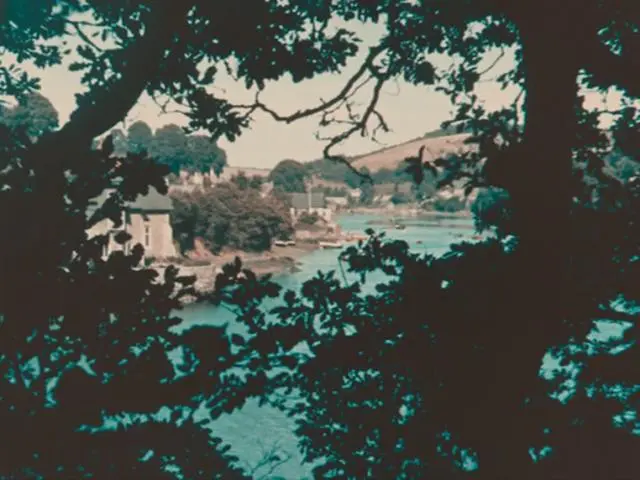
Acting in The Open Road is minimal, as it's a travelogue rather than a narrative film. Claude Friese-Greene is the sole actor, and his presence is more of a documentary-style guide than a character in the traditional sense. The directing is straightforward, with a focus on capturing the landscape and the moments of human interaction. The cinematography is exceptional, with the two-color additive process adding a unique aesthetic quality to the film. The pacing is slow, with the journey itself being the narrative, and each stop along the way providing a snapshot of a moment in time. The film is best appreciated for its visual beauty and historical value, rather than its narrative coherence.
The Open Road is a silent travelogue that captures the essence of a motor journey from Land's End to John O'Groats. The film is divided into several sections, each focusing on a different part of the journey. The first section, which captures the journey from Land's End to Cornwall, is particularly fascinating, with its depiction of the rugged coastline and the small villages along the way. The second section, which captures the journey from Cornwall to Scotland, is equally captivating, with its depiction of the varied landscapes and the people encountered along the way. The final section, which captures the journey from Scotland to John O'Groats, is the most visually stunning, with its depiction of the Scottish Highlands and the Northern Isles.
Overall, The Open Road is a fascinating piece of work, and its unique aesthetic and historical context make it a valuable addition to any film collection. However, it's not a film that will appeal to everyone. It's best appreciated by those interested in the history of cinema, early travel documentation, and the beauty of early British landscapes. If you're looking for a modern, engaging film with a clear narrative, you might want to look elsewhere. However, if you're interested in the evolution of travel documentation and the beauty of early British landscapes, The Open Road is definitely worth watching.
IMDb —
1935
Community
Log in to comment.