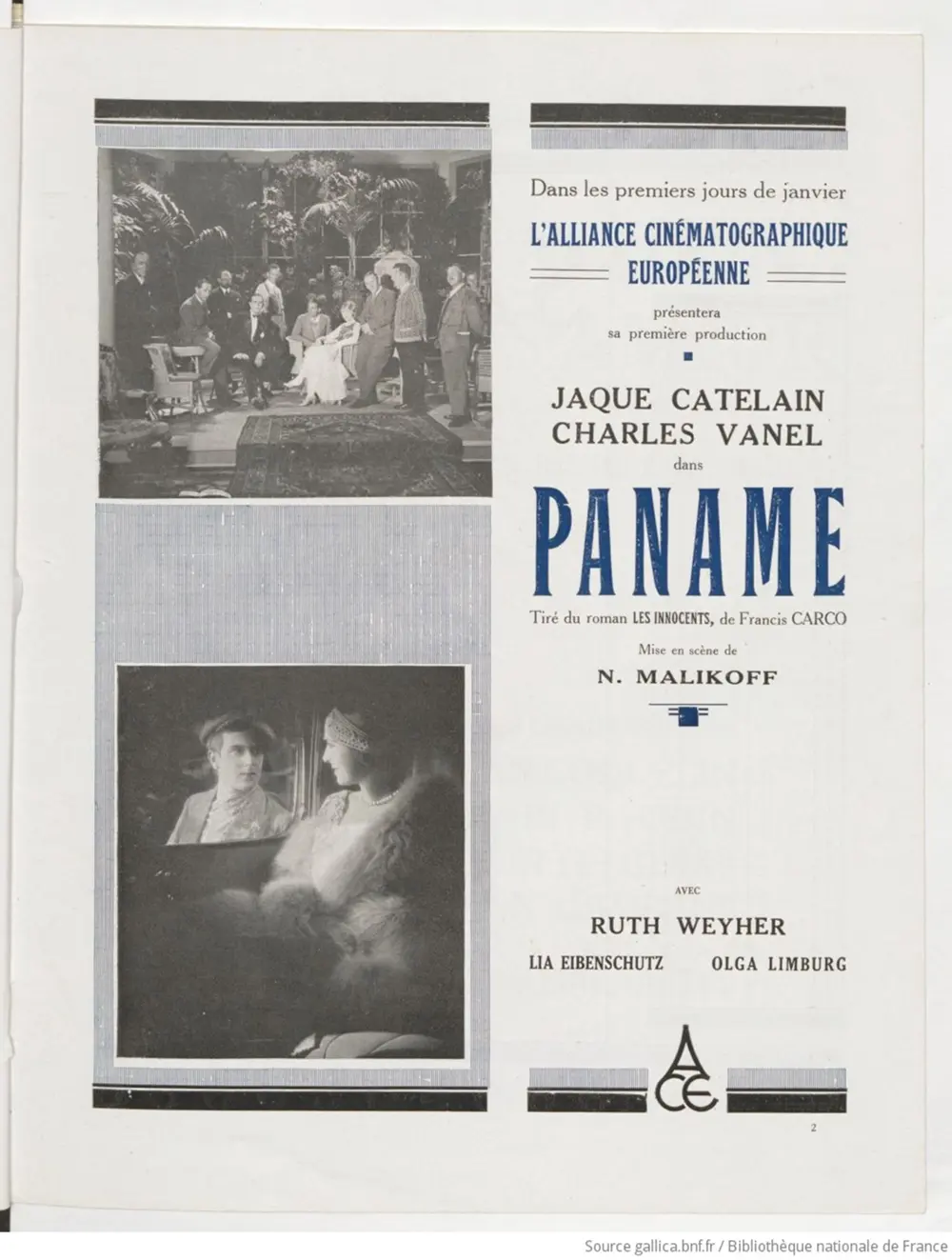
Is 'Apaches of Paris' worth watching today? Short answer: yes, but with significant caveats that demand a particular kind of cinematic palate. This film is an intriguing, albeit often clunky, relic for silent film enthusiasts and those fascinated by early 20th-century European crime dramas, but it will likely test the patience of mainstream audiences accustomed to modern pacing and narrative clarity.
Helmed by Robert Reinert and drawing from the gritty literary world of Francis Carco, "Apaches of Paris" (1927) plunges into a murky Parisian underworld. It’s a film that attempts to capture the raw energy and moral ambiguity of its setting, a period piece in its own right, reflecting the anxieties and allure of post-WWI Europe. While not a household name, its historical significance and occasional flashes of brilliance warrant a closer look.
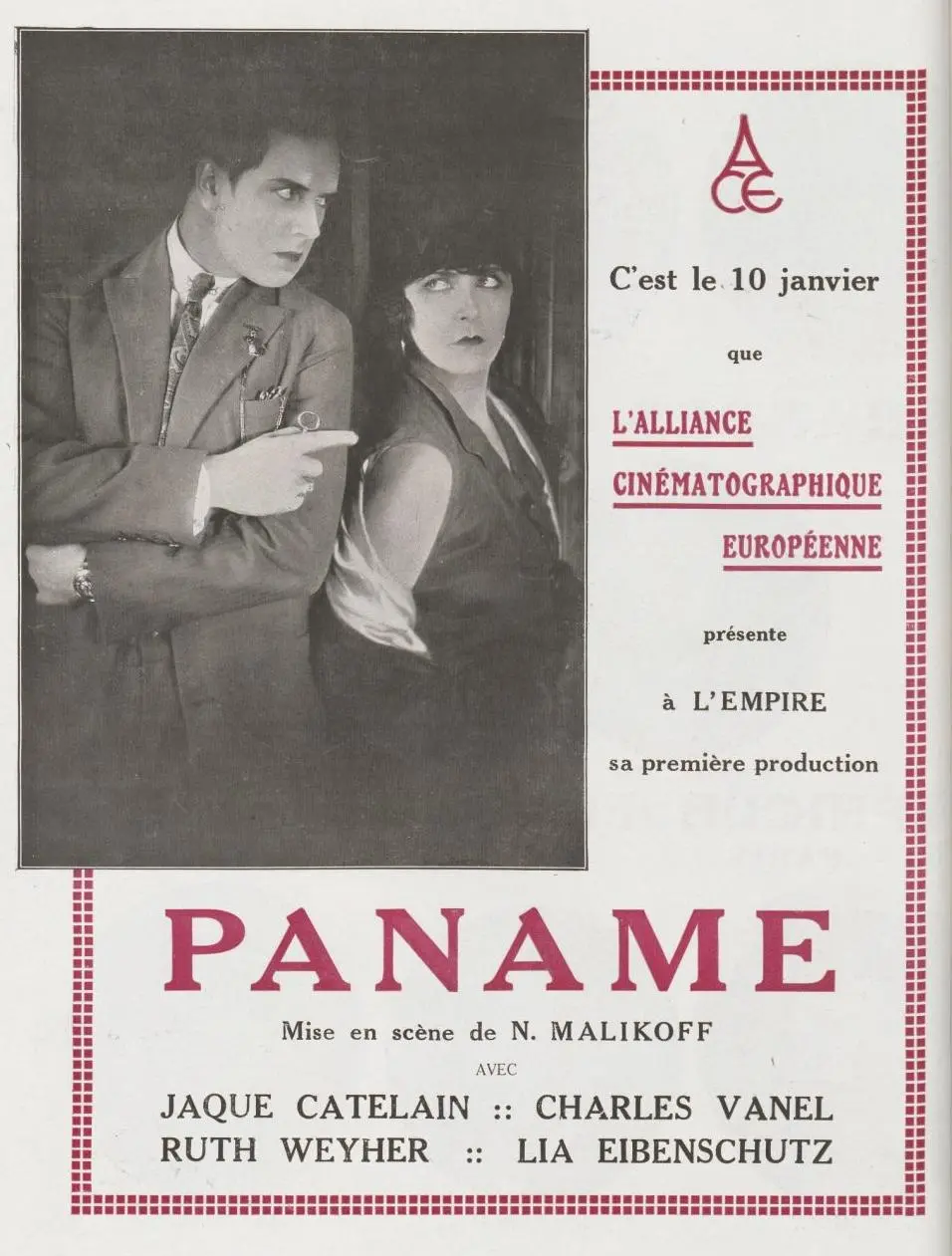
Scene from Apaches of Paris
Cinematic perspective: Exploring the visual vocabulary of Apaches of Paris (1927) through its definitive frames.
This film works because... it offers a rare, unflinching glimpse into a specific era of European silent cinema, particularly its ambition in depicting a complex criminal underworld. The performances, especially from the magnetic Charles Vanel, hint at the raw talent that would define later eras of French cinema.
This film fails because... its narrative coherence can be elusive, often relying too heavily on intertitles and an assumed understanding of silent film conventions. The pacing is notoriously uneven, with moments of compelling tension frequently interrupted by stretches of meandering exposition.
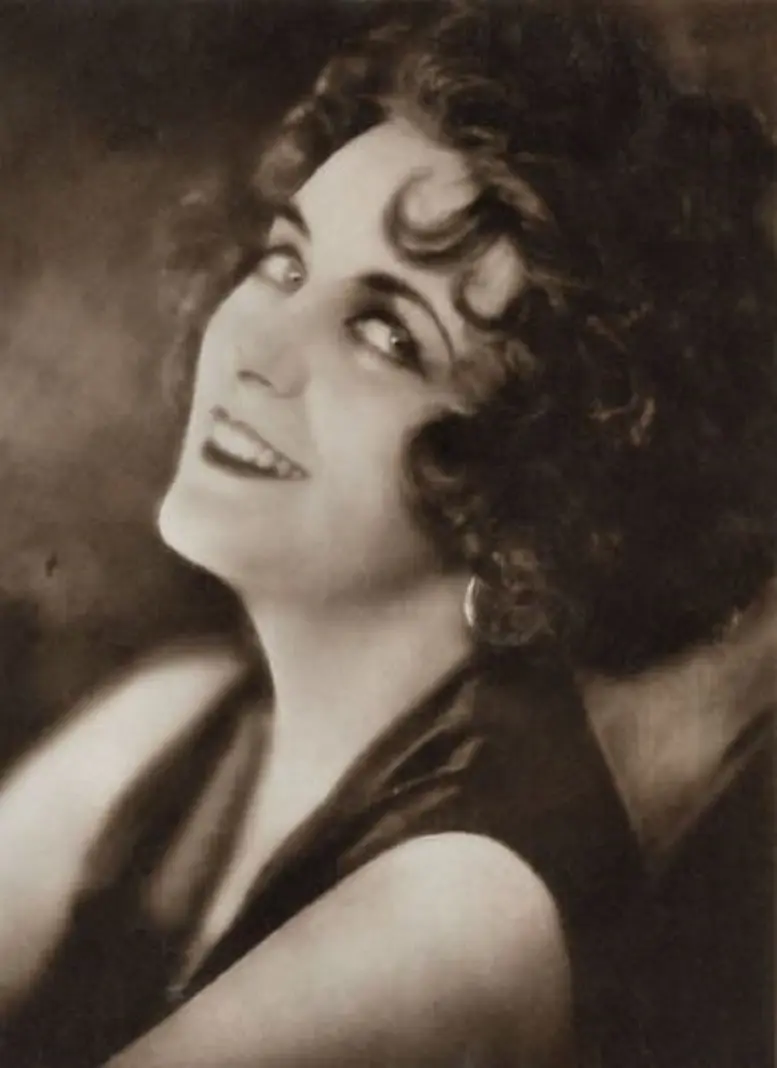
Scene from Apaches of Paris
Cinematic perspective: Exploring the visual vocabulary of Apaches of Paris (1927) through its definitive frames.
You should watch it if... you have a strong interest in film history, especially silent cinema and early European productions, or if you appreciate films that demand active engagement and interpretation of their visual storytelling.
The Silent Symphony of Sin: Plot and Pacing
"Apaches of Paris" dives headfirst into the fraught dynamics of a Parisian criminal gang, led by a figure whose authority is as tenuous as the loyalty of his cronies. The narrative catalyst is a stolen cache of jewelry, pilfered from an American lady who, unbeknownst to the thieves, is entangled in a broader crime investigation. This premise, while simple, promises a web of betrayal and danger that the film, at times, struggles to fully untangle.
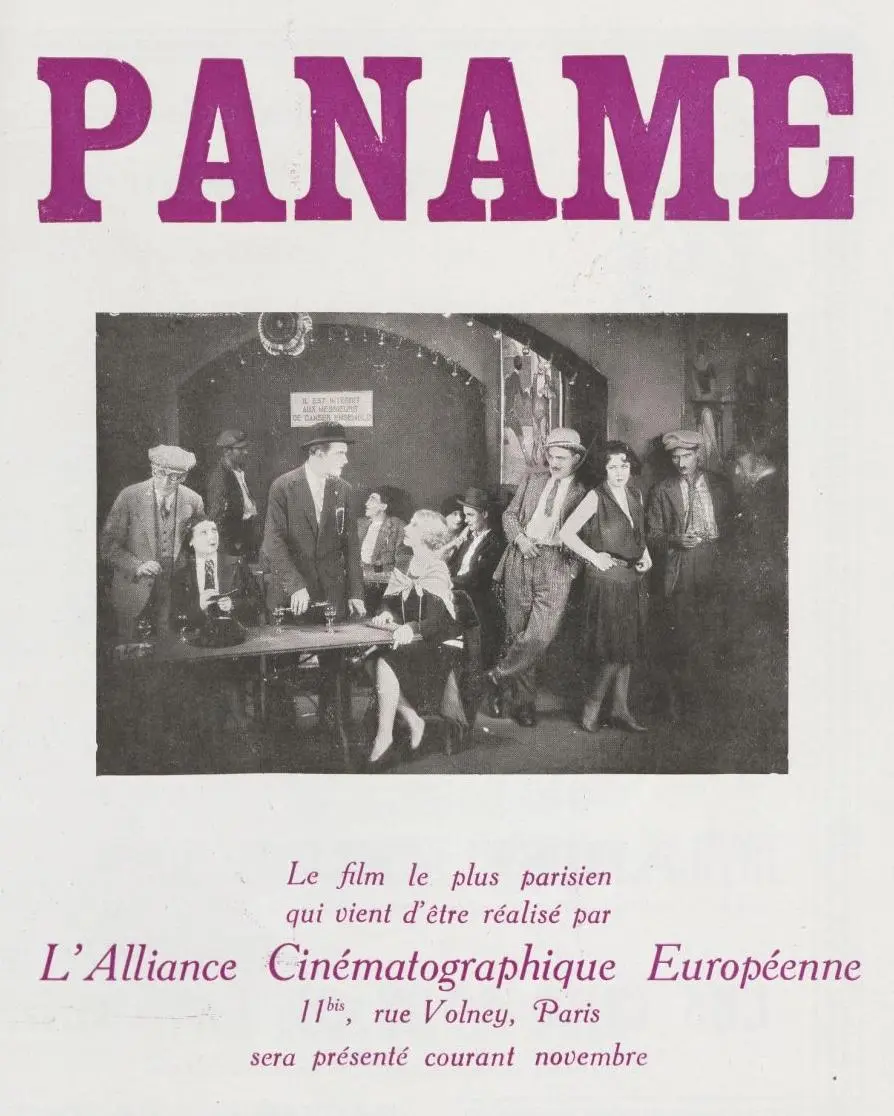
Scene from Apaches of Paris
Cinematic perspective: Exploring the visual vocabulary of Apaches of Paris (1927) through its definitive frames.
The plot, co-written by Francis Carco, Serge Plaute, and Robert Reinert, feels less like a meticulously crafted thriller and more like a series of evocative vignettes strung together by the thinnest of threads. Silent films often relied on visual cues and melodramatic acting to convey emotion, but "Apaches" frequently demands a significant leap of faith from its audience to connect the dots. The internal conflict within the gang, ostensibly the film's core, often feels secondary to the broader, less defined 'crime investigation' that hovers in the background.
Pacing is a major hurdle. There are sequences of genuine tension, particularly when the stakes of the stolen jewelry become clear, or when the gang leader grapples with his increasingly unruly subordinates. However, these moments are often deflated by protracted scenes that add little to the narrative momentum. A particular example is an extended sequence involving a chase through the Parisian streets that, while visually interesting, overstays its welcome, dissipating the urgency it initially builds. It's a common trait of early cinema, but here, it feels particularly pronounced, challenging the patience of even seasoned silent film aficionados.
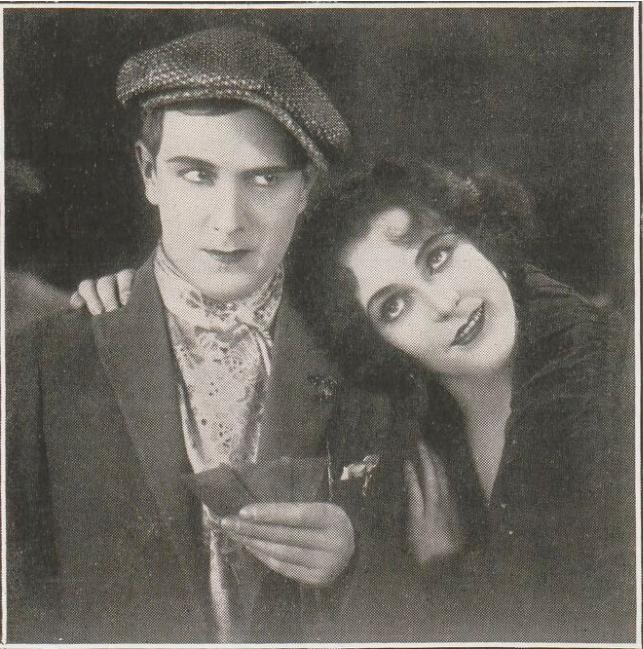
Scene from Apaches of Paris
Cinematic perspective: Exploring the visual vocabulary of Apaches of Paris (1927) through its definitive frames.
The film’s reliance on intertitles is also a double-edged sword. While essential for conveying dialogue and exposition, they sometimes feel like a crutch, explaining what the visuals fail to articulate. A more confident silent film would have allowed the actors' expressions and the camera's eye to tell more of the story. Here, the intertitles often feel like a necessary evil rather than an integrated narrative tool, breaking the flow rather than enhancing it.
Faces in the Shadows: Performances and Character
For a film so reliant on visual storytelling, the performances are, predictably, pivotal. The ensemble cast, featuring names like Bondy, Olga Limburg, Jakob Tiedtke, and the formidable Charles Vanel, navigate the silent screen with varying degrees of success. It's in the nuanced expressions and grand gestures that these actors carve out their characters, often without the benefit of extensive backstory or dialogue.
Scene from Apaches of Paris
Cinematic perspective: Exploring the visual vocabulary of Apaches of Paris (1927) through its definitive frames.
Charles Vanel, even in this early role, stands out with a compelling intensity. His portrayal of a gang member (or perhaps the leader, given the ambiguity of early film credits and the plot description) carries a weight that transcends the often-simplistic characterizations around him. There's a scene where his character confronts a rival, and the sheer force of his gaze, the subtle clenching of his jaw, speaks volumes about his ruthlessness and inner turmoil. It’s a performance that hints at the formidable career he would later forge, proving that even in the silent era, certain actors possessed an undeniable screen presence that could elevate mediocre material.
Ruth Weyher, as the mysterious American lady, brings an enigmatic quality to her role. Her character, central to the crime investigation, remains somewhat aloof, a figure of intrigue rather than a fully fleshed-out individual. This works to the film's advantage, maintaining a sense of mystery around her involvement and the true nature of the investigation. Her expressions often convey a quiet determination, a stark contrast to the volatile emotions displayed by the gang members.
Conversely, some of the supporting performances lean heavily into the theatricality common in silent cinema, bordering on caricature. While this was an accepted convention, it sometimes detracts from the film's attempts at a more grounded portrayal of the criminal underworld. The broad gestures and exaggerated reactions can feel jarring next to the more subtle work of actors like Vanel, creating an uneven dramatic landscape.