DbcultAccessing Vault...
Cult Review
Senior Film Conservator
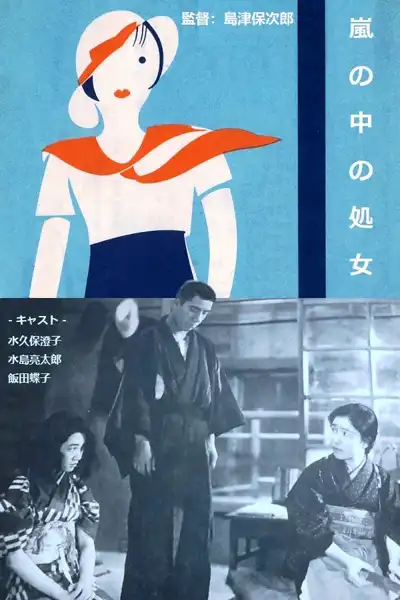
Honestly, you probably only want to sit down with Arashi no naka no shojo if you have a soft spot for the awkward, experimental growing pains of early sound cinema. It’s not for the casual viewer who wants a tight, punchy plot. If you love seeing how directors figured out how to use microphones without making the whole thing sound like a hollow tin can, you’ll be fascinated. If you’re just looking for a fun night in, you might find the pacing a bit of a slog.
It’s funny how much a little bit of audio changes the texture of a movie. This isn't quite as smooth as Plotina prorvana, but it’s got this weirdly cozy atmosphere. You can hear the room tone, the shuffling of feet, the way the actors sometimes stand just a little too far from the mic.
There’s a scene about halfway through—I won't spoil the setup—where the background noise just cuts out for a heartbeat. It’s probably a technical limitation from the era, but it feels deeply intentional. It highlights Sumiko Mizukubo’s face in a way that modern high-def cameras usually ruin by showing too much.
It reminds me a bit of the feeling I got watching Crazy House, where the chaos of the production sometimes bleeds into the story itself. Shimazu isn't trying to make a perfect, shiny product here. He’s just trying to capture a vibe.
The pacing drags in the middle. Like, really drags. There are moments where I found myself staring at the texture of the walls instead of the actors. It’s not a bad thing, necessarily. It’s just that kind of film. You either settle into the rhythm or you get bored. 🤷♂️
Don’t go in expecting the polished perfection of later Japanese classics. This is a rough draft of a masterpiece. It’s a bit messy, the sound quality is sometimes questionable, and the story takes its sweet time getting anywhere. But there’s a soul to it that you just don't get with modern, over-calculated stuff.
Year
1932
IMDb Rating
—

Editorial
Deciphering the legacy of transgressive cult cinema.
Community
Log in to comment.