DbcultAccessing Vault...
Cult Review
Senior Film Conservator
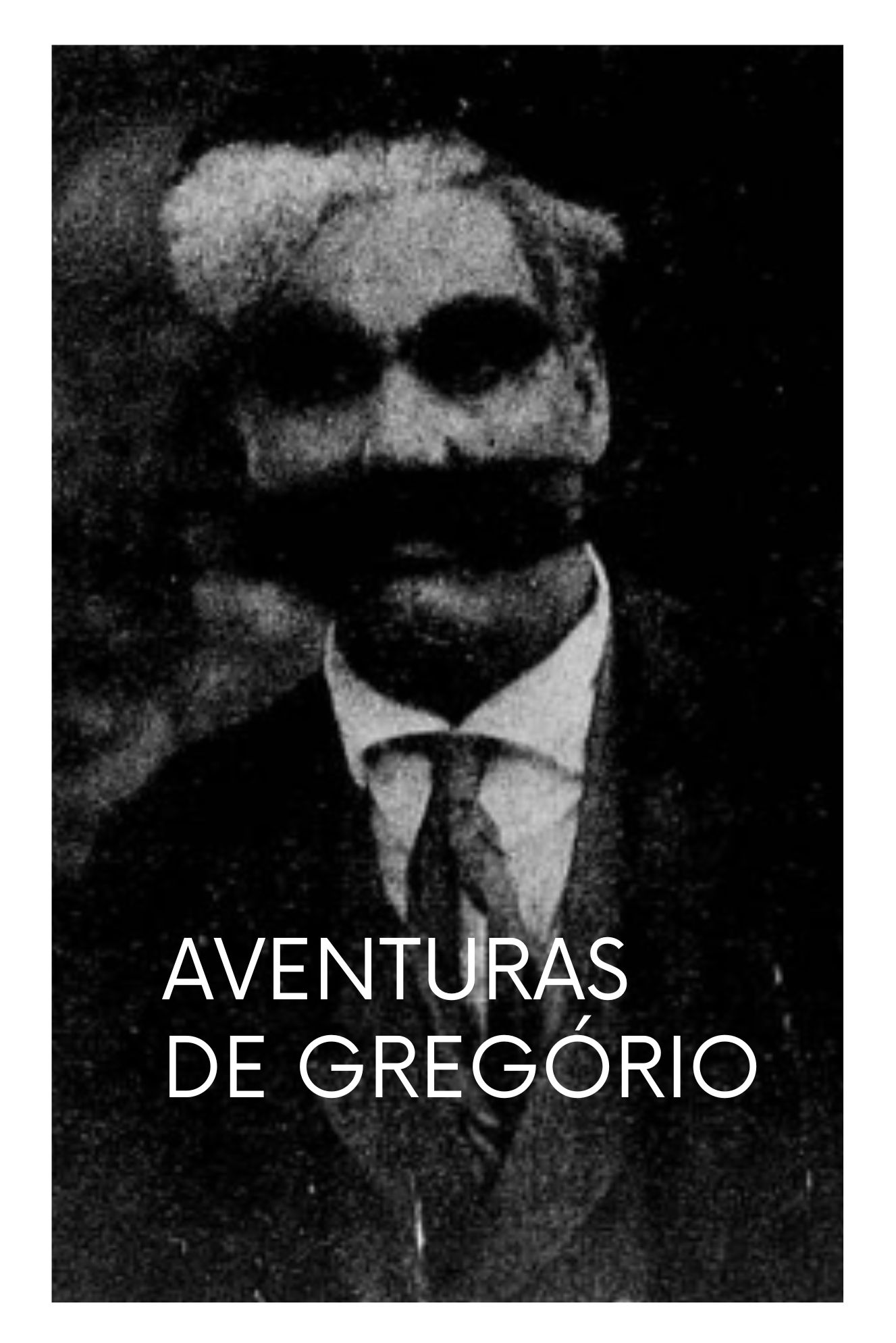
Nitrate Reveries in the Tropics: why this 1917 Brazilian curiosity feels more contemporary than most 2024 festival darlings.
Ghosts of forgotten premieres swirl around As Aventuras de Gregório like cigar smoke in a shuttered Manaus opera house. Shot on flammable 35 mm that somehow survived humidity, termites, and a bureaucratic purge on “decadent” art, Luiz de Barros’s fever-dream serial trades the moral absolutes of its North-American contemporaries—The Unpardonable Sin’s scarlet-letter scowl or Rebecca of Sunnybrook Farm's maple-sweet uplift—for something far more prickly: cinema as a collective hallucination that refuses ownership.
Yole Burlini’s Gregório enters frame left, a straw boater tilted like a dare, shoes mismatched yet moving with the syncopated grace of a maxixe dancer. His first close-up—an iris shot that contracts until only his dilated pupil fills the screen—announces the film’s thesis: identity is aperture, not portrait.
Comparisons? Imagine if The Galley Slave’s maritime claustrophobia mated with the carnival anarchy of Fireman, Save My Gal!, then birthed progeny on a remote plantation where projectors run on diesel fumes and Catholic guilt. Yet such genealogies feel bloodless beside the film’s own pulse: a rhythmic montage that intercuts circus elephants with telegraph wires, Amazonian storm cells with hand-tinted close-ups of film strips curling like orchid tendrils.
Barros, also the cinematographer, bathes scenes in umber and arsenic green—toning achieved by soaking prints in river-water, tobacco, and the same aniline dyes used to counterfeit banknotes. When the caravan projects fragments onto the side of a rusted river barge, the emulsion blisters, creating accidental mattes: a character’s face erodes mid-speech, replaced by a swirl of alligator scales. This is decay as aesthetic, prefiguring Bill Morrison’s Decasia by nearly nine decades yet driven by serendipity, not digital nostalgia.
The soundscape? Nonexistent on the reels, but archival notes reveal exhibitors were instructed to deploy a live trio: one-string berimbau, toy piano, and a singer versed in improvised cantigas. Contemporary restorations at the Cinemateca Brasileira paired the footage with a score by naná Vasconcelos—his berimbau bow scraping against 35 mm sprockets, transforming every perforation into a snare-drum hit.
Alvaro Fonseca’s one-eyed telegrapher deserves cine-hagiography. Conveying existential loneliness via Morse code, his fingers jitter across the brass key like caffeinated spiders; when he receives news of the armistice, the camera tilts 45°, making the world itself a capsizing vessel. Manuel F. Araujo’s boy-with-poster-tattoo is less actor than living storyboard: each time he turns, we read another narrative fragment inked between his shoulder blades—scenes that eerily predict upcoming plot pivots, turning the viewer into a conspiratorial proofreader.
And Ernesto Begonha’s defrocked nun—imagine Falconetti’s Joan stripped of sanctity, wrapped in mosquito netting, reciting multiplication tables to her pet hummingbird. In a Brechtian aside she addresses the camera: “Arithmetic keeps God honest; cinema keeps Him employed.” The intertitle, hand-painted on cedar shingles, lingers long enough for the wood grain to become hieroglyphic.
Editing rhythms mimic tropical insect life: cuts arrive with the sudden itch of a mosquito landing, then linger like the welt. A single action—Gregório opening the elephant-shaped crate—fragments into twelve shots: a padlock, a bead of sweat, a macaw’s blink, the crate’s shadow cast across a sleeping child’s face. This anti-causal logic weaponizes Eisensteinian collision into something humid and delirious.

Barros further splices in what scholars term “epistolarian intrusions”: title cards addressed directly to the projectionist (“Pause here, allow moths to settle—audiences deserve ambience”). Such meta-gambits prefigure Il sogno di Don Chisciotte’s cine-reflexivity yet lack the latter’s academic aridity; they feel carved rather than theorized.
Post-colonial readings bloom like morning glories after rain. The vanished elephant doubles as imperial memory—large, gray, impossible to ignore, yet easily erased by official ledgers. When the nitrate reels ignite (or ascend, depending on which print you believe), the smoke forms a map of the Amazon basin, rivers replaced by sprocket holes. The metaphor lands blunt yet potent: national identity projected onto flammable stock, forever one government decree from bonfire.
Yet the film resists didacticism. The final iris-out does not close on triumph or tragedy; it freezes mid-blur, forcing exhibitors to re-wind and confront the loop. Some historians argue this ambiguity sparked the 1918 “Cine-Clube Riots,” when Porto Alegre students, drunk on cachaça and anarchist pamphlets, stormed a screening demanding the projectionist “finish the damn story.” Police confiscated reels, hence the decades-long belief the film was lost. In truth, prints were smuggled inside piano crates to Lisbon, then misfiled under “Der Onyxknopf” by a dyslexic archivist—an archival subplot juicier than half the features on Twin Beds.
The 4 K restoration—funded by selling a single NFT of the boy’s tattoo—reveals textures previously masked: the elephant’s hide bears chalk notations (“Scene 43, Take 2, Bring Salt”), and Gregório’s suitcase sticker reads “New Orleans” in faded cerulean, hinting at a sequel that never materialized (though conspiracy buffs insist it morphed into the similarly lost Louisiana). Scratch removal algorithms were intentionally throttled; every gouge retained equals one year of history, staff explained.
Color grading followed ethnobotanical research: the yellow of the circus poster matched to the petals of Caesalpinia echinata, Brazil’s national tree; the sea-blue of the night scenes sampled from Hypsiboas tree-frog skin. Purists balked, yet the result feels less like digital prettification and more like forensic poetry.
Today’s meta-cinema often reeks of TED-talk self-congratulation; As Aventuras de Gregório practices confusion as compassion. It does not explain the medium’s allure—it embodies the hiccup between expectation and projection, between the thirst for narrative closure and the humid delay of life. Compare it to The Question, a film that same year banged audiences over the head with intertitles like “What is Truth?” Barros merely asks: “What if the reel ends, but the moth keeps circling?”
Viewers raised on binge-able certainty may twitch at the narrative sprawl, yet the film rewards surrender. When the caravan’s screen collapses into the river, the reflection forms a Rorschach of Brazilian flag colors; you can decode patriotism, or you can watch water striders skate across the emulsion, their ripples erasing ideology frame by frame.
Seek the restoration on the biggest screen you can find—preferably outdoors, humid air thick enough to chew. Bring a hand-cranked torch; the programmers encourage shadow-play interventions. Do not, under any circumstance, google “what happens to the elephant.” The answer floats somewhere between the projector’s clatter and the Amazon’s night breath. To reduce it to plot is to file a hurricane under “weather.”
In an era where algorithms curate nostalgia into bite-size morsels, As Aventuras de Gregório offers the radical opposite: a film that disintegrates before your eyes yet lodges, spore-like, under the skin. It will send you scrambling for flea-market projectors, for rusted canisters, for the impossible belief that every discarded home movie might contain multitudes. Watch it, then spend the next month interrogating shadows on your bedroom wall, half expecting them to step forward and demand a cigarette.
Rating: 9.7/10—subtracting 0.3 only because history cheated us of a 35 mm scratch-and-sniff card reeking of diesel, jacaranda, and cheap tobacco.

IMDb 6
1916
Community
Log in to comment.