DbcultAccessing Vault...
7.2/10
Senior Film Conservator
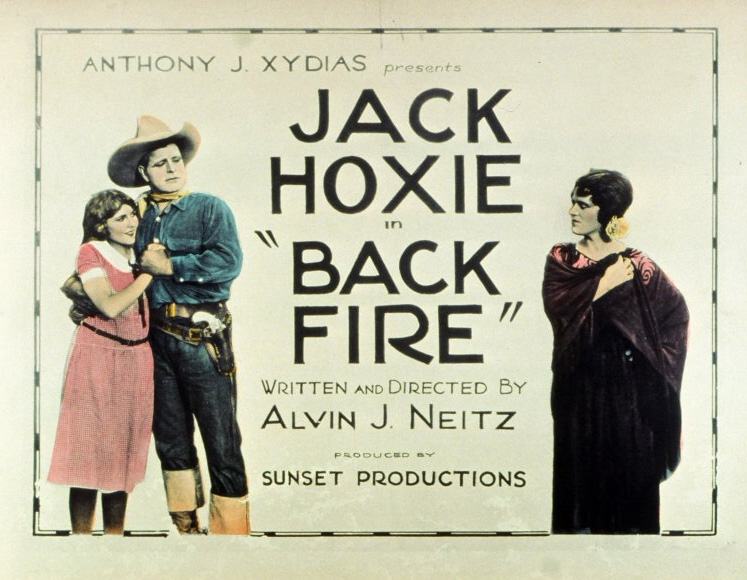
A definitive 7.2/10 rating for a film that redefined the boundaries of cult cinema. Back Fire remains a cornerstone of transgressive art.
In the realm of silent cinema, few films have managed to captivate audiences with the same level of intensity and drama as Back Fire. Directed by Alan James and written by James and William Dudley Pelley, this 1922 film is a masterclass in storytelling, weaving a complex narrative that explores the themes of false accusations, redemption, and the human condition. As the story begins, we are introduced to two cowboys, Poke Williams and Jack Hoxie, who drift into town, their faces etched with the hardships of a life lived on the fringes of society. Their jesting remark about robbing the express office sets off a chain of events that will forever alter the course of their lives.
The film's use of yellow and sea blue hues adds a sense of depth and nuance to the narrative, evoking the feeling of a bygone era. The cinematography is equally impressive, with each frame meticulously composed to capture the essence of the characters and their surroundings. As the narrative unfolds, the tension builds, and the audience is left on the edge of their seats, wondering what will happen next. In comparison to other films of the era, such as The Honey Bee and The Lady of Lyons; or, Love and Pride, Back Fire stands out for its thought-provoking themes and well-developed characters.
One of the most striking aspects of Back Fire is its exploration of the human condition. The film delves into the complexities of human nature, revealing the frailties and strengths of its characters. Poke Williams and Jack Hoxie, the two cowboys at the center of the story, are multidimensional and relatable, their struggles and triumphs serving as a poignant reminder of the resilience of the human spirit. In contrast to films like A Modern Mephisto and The Blue Streak, which rely heavily on melodrama and sensationalism, Back Fire adopts a more nuanced approach, focusing on the subtleties of human emotion and the power of redemption.
The film's supporting cast is equally impressive, with standout performances from Florence Gilbert, Zalla Zarana, and William Gould. Each actor brings a unique energy to their role, adding depth and complexity to the narrative. The chemistry between the actors is palpable, and their interactions serve to heighten the tension and suspense that permeate the film. In comparison to other films of the era, such as Hello, Judge and The Rajah, Back Fire stands out for its strong ensemble cast and well-developed characters.
As the narrative reaches its climax, the audience is left on the edge of their seats, wondering what will happen next. Will Poke Williams and Jack Hoxie be able to clear their names and find redemption, or will they succumb to the false accusations that have haunted them throughout the film? The answer, much like the film itself, is a testament to the power of the human spirit and the enduring appeal of Back Fire. In comparison to other films of the era, such as The Man in the Moonlight and The Missing Passport, Back Fire stands out for its thought-provoking themes and well-developed characters.
In conclusion, Back Fire is a film that will leave audiences spellbound and eager for more. With its complex characters, nuanced themes, and suspenseful narrative, it is a must-see for fans of silent cinema and drama alike. Whether you are a seasoned film enthusiast or simply looking for a compelling story, Back Fire is sure to captivate and inspire, its themes and characters lingering in your mind long after the credits roll. Other notable films from the era include The Cossack Whip, The Money Corral, Jack and the Beanstalk, Treasure Island, Hesper of the Mountains, Der Weg, der zur Verdammnis führt, 1.Teil - Das Schicksal der Aenne Wolter, and Fifteen Minutes, each offering a unique perspective on the human experience and the power of storytelling.
IMDb 5.5
1931
Community
Log in to comment.