DbcultAccessing Vault...
Cult Review
Senior Film Conservator
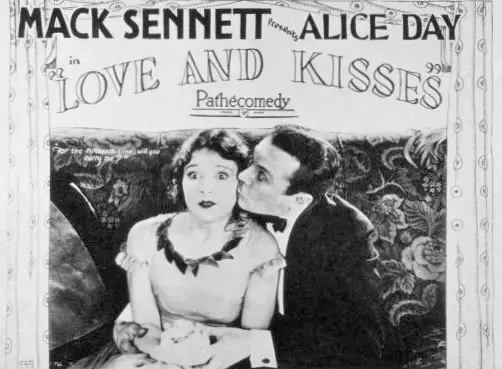
Is "Love and Kisses" worth watching today? Short answer: yes, but with a few crucial caveats. This 1925 silent comedy is a delightful, if at times exhausting, romp through the early days of slapstick, offering a fascinating glimpse into the comedic sensibilities that shaped Hollywood.
It's a film for those who appreciate the raw, unadulterated energy of silent-era gags and can forgive a narrative that often takes a backseat to escalating chaos. It is decidedly not for viewers seeking nuanced character development or a meticulously crafted plot.
This film works because of its relentless comedic pacing and the sheer inventiveness of its physical gags, particularly in its climactic sequence.
This film fails because its characters are largely archetypes serving the gags, and its narrative, while functional, lacks any profound emotional resonance.
You should watch it if you're a student of silent film, a fan of Mack Sennett's brand of chaos, or simply in the mood for an hour of pure, unpretentious laughter.
The narrative engine of "Love and Kisses" is pure, unadulterated farce. We are introduced to a vaguely defined 'hero' (Vernon Dent), a man seemingly perpetually on the run from matrimony, pursued by a long-standing suitor. His reprieve, however, is short-lived, as the arrival of Alice (Alice Day) from the 'west' upends his carefully constructed world.
Initially mistaken for a servant, Alice's status undergoes a comedic Cinderella transformation when her true lineage is revealed: her father has struck oil in Oklahoma, making her an instant millionaire. This revelation immediately shifts the focus of a relentless matchmaking mother, who quickly pivots her efforts from her original target to coercing a marriage between Alice and her own son.
The film's pacing is its most striking feature. It’s a breakneck sprint from one gag to the next, rarely pausing for breath. Director Mack Sennett, a pioneer of slapstick, understood the value of comedic momentum, and "Love and Kisses" exemplifies this philosophy. The plot, while thin, serves primarily as a framework for escalating comedic situations.
The climax, a wedding ceremony plagued by a series of increasingly absurd delays, is a masterclass in comedic build-up. The justice officiating the ceremony first drops his glasses, rendering him unable to read the contract. This moment of visual impairment is then comically exacerbated when the groom's mother offers her lorgnette, which so distorts the text and dizzies the justice that he quite literally topples backward through a window and into the courtyard below. It’s a glorious, over-the-top crescendo of physical comedy that few modern films would dare to attempt.
This sequence isn't just a single gag; it's a meticulously choreographed chain reaction, each delay building upon the last, culminating in a visual punchline that is both surprising and inevitable. It’s a testament to the writers—Frank Capra among them—that such a simple premise could be stretched and twisted into such a memorable finale. The narrative, for all its simplicity, provides just enough structure to hang these incredible gags upon, proving that sometimes, less is indeed more when it comes to silent comedy storytelling.
The directorial hand of Mack Sennett is palpable throughout "Love and Kisses." Sennett, often dubbed the "King of Comedy," built an empire on the very brand of rapid-fire, anarchic humor on display here. His films were less about intricate plots and more about the immediate, visceral impact of a well-executed pratfall or chase sequence.
The cinematography, while rudimentary by today's standards, is perfectly suited to its purpose. The camera is largely static, allowing the actors and their physical comedy to take center stage. Wide shots are favored to capture the full scope of the chaos, ensuring every participant in a chase or a comedic pile-up is visible. There are few, if any, experimental camera movements, as the focus remains squarely on clarity of comedic action.
One particularly effective technique is the use of medium shots to capture the exaggerated facial expressions that were so crucial to silent acting. When the justice first fumbles for his glasses, the camera lingers just long enough to convey his immediate bewilderment and frustration. This is then contrasted with wider shots to show the ensuing pandemonium as the wedding party reacts.
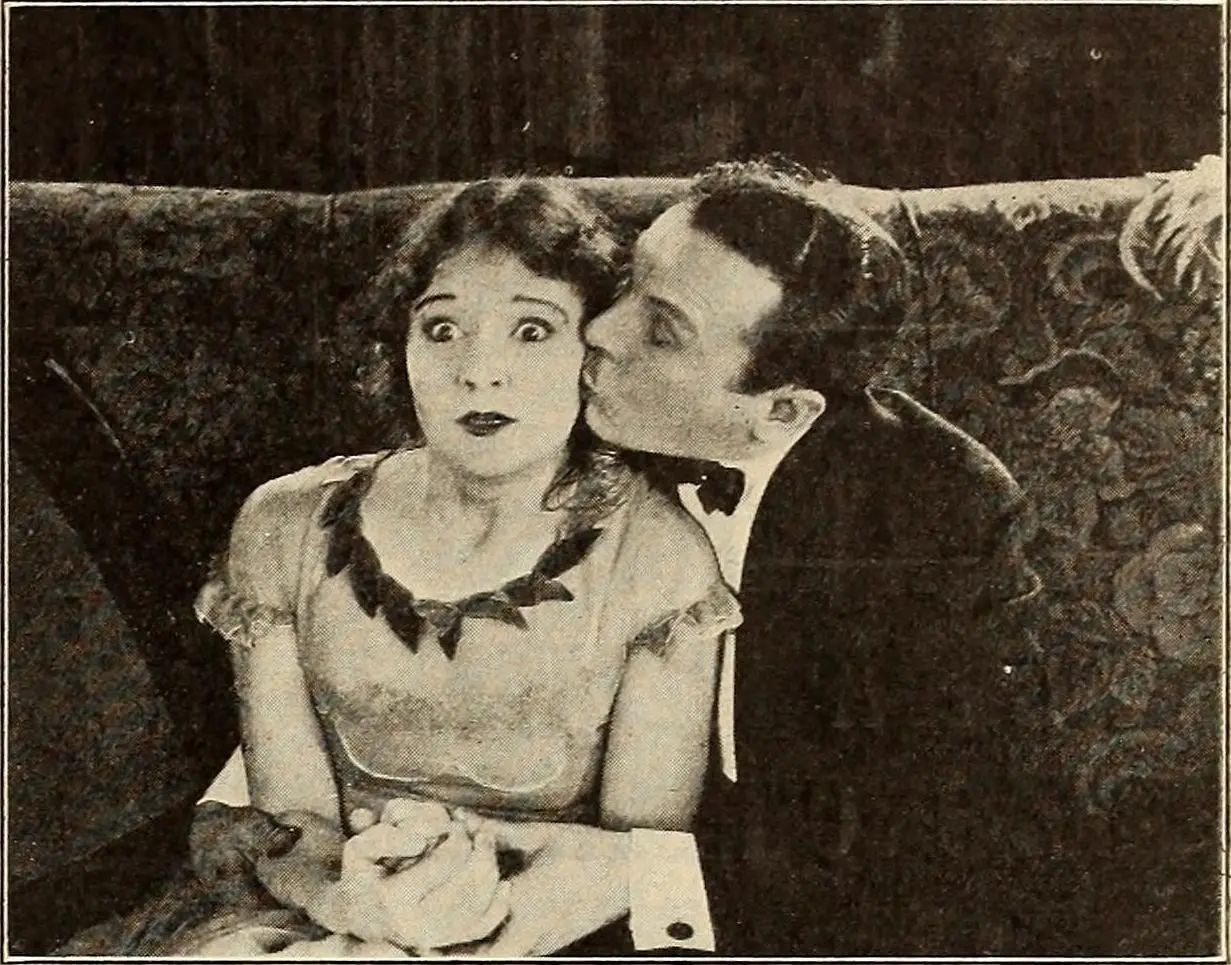
The film's true genius in direction lies in its staging of the physical gags. The sequence involving the justice, his glasses, and the lorgnette is a masterclass in visual storytelling. Each step of his increasing incapacitation is clearly communicated through his actions and the reactions of those around him. The moment he falls through the window is not just a cheap laugh; it’s the logical, albeit absurd, conclusion to a carefully constructed comedic escalation. The framing of this particular shot, allowing us to see the justice's bewildered descent into the courtyard, is iconic.
While Frank Capra's full directorial genius was still years away, his early writing contributions here likely helped hone the precise timing and character-driven farce that would later define his sound films. The efficiency with which gags are set up and paid off speaks to a strong comedic sensibility behind the scenes. This film, like many of its era, is a testament to the collaborative, often improvisational, nature of early filmmaking, where the immediate laugh was paramount.
In silent comedy, performances are less about nuanced dialogue and more about exaggerated physicality and expressive mime. The cast of "Love and Kisses" embraces this wholeheartedly, delivering performances that are broad, energetic, and perfectly suited to the film's farcical tone.
Vernon Dent, as the beleaguered hero, is a delight. His expressive face and agile physicality make him an ideal protagonist for a Sennett comedy. He conveys exasperation, charm, and a desperate desire for escape without uttering a single word. His reactions to the various matrimonial traps laid for him are consistently amusing, selling the audience on his predicament.
Alice Day, as the eponymous Alice, is equally captivating. Her transformation from a seemingly demure 'servant' to a sought-after heiress is conveyed with a subtle shift in demeanor and a newfound confidence that is palpable. Day manages to imbue Alice with a sense of agency, even amidst the chaotic attempts to marry her off, making her more than just a prize to be won.
The supporting cast, particularly the matchmaking mother and the hapless justice, are scene-stealers. The mother's avarice and relentless pursuit of wealth through marriage are conveyed through her aggressive posturing and wide-eyed scheming. The justice, on the other hand, embodies a different kind of comedic archetype: the bumbling authority figure, whose dignity is slowly stripped away by circumstances beyond his control. His increasing visual impairment and eventual spectacular fall are rendered with a perfect blend of pathos and absurdity.
These actors understand the language of silent film. They communicate through grand gestures, wide eyes, and precise physical comedy. There's a raw, unpolished charm to these performances that feels authentic and immediate, a stark contrast to the more polished, often subtle, acting styles of later eras. The success of the film hinges on their ability to sell the gags, and they do so with gusto.
"Love and Kisses" represents a specific brand of early 20th-century comedy: the unadulterated, no-holds-barred slapstick that prioritized physical gags over intricate plot. Its appeal lies in its simplicity and its sheer audacity. There's a refreshing lack of pretension here; the film's only goal is to make you laugh, and it largely succeeds.
However, this very quality can also be a source of frustration for modern viewers. The rapid-fire succession of gags, while exhilarating, can occasionally feel overwhelming, leaving little room for emotional investment or character development. Unlike the more character-driven silent comedies of Chaplin or Keaton, "Love and Kisses" is a pure gag machine. It’s not trying to tug at your heartstrings or offer profound social commentary; it simply wants to tickle your funny bone.
I would argue that the film's somewhat thin characterizations are not a flaw but a deliberate choice, allowing the audience to focus entirely on the escalating absurdity of the situations. It’s a film that asks you to surrender to its manic energy, and if you do, it rewards you handsomely. The ending, while abrupt, is a perfect encapsulation of this philosophy—a sudden, explosive release of comedic tension that leaves you laughing and slightly bewildered.
It’s also fascinating to consider the film in the context of its writers. Frank Capra, who would go on to direct classics like "It's a Wonderful Life," started his career contributing to this kind of frenetic comedy. You can see the seeds of his later work in the way the film crafts escalating predicaments for its hero, even if the tone is vastly different. Comparing it to something like Day Dreams, another early silent, one can appreciate the consistent quality of Sennett's output.
Yes, "Love and Kisses" is absolutely worth watching, especially for silent film enthusiasts or those curious about the origins of screen comedy. It offers a clear window into the foundational elements of slapstick. The film is a valuable historical document and a genuinely entertaining experience for those who appreciate its unique style. It’s a vibrant example of how effective visual storytelling can be without dialogue. It works. But it’s flawed.
"Love and Kisses" is a vibrant, if slightly unhinged, relic of silent film comedy. It's a testament to the power of physical humor and the enduring appeal of pure, unadulterated chaos. While it may not offer the emotional depth of a Chaplin film or the intricate artistry of a Keaton masterpiece, it stands on its own as a riotous example of Mack Sennett's comedic vision. For those willing to embrace its frenetic energy and accept its limitations, it’s a delightful journey back to the roots of cinematic laughter. It’s a wild ride, well worth taking if you're in the right frame of mind. This film, despite its age, still packs a punch.
IMDb —
1930
Community
Log in to comment.