DbcultAccessing Vault...
6.4/10
Senior Film Conservator
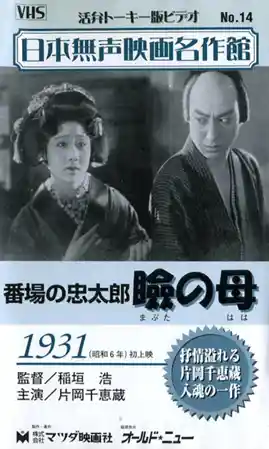
A definitive 6.4/10 rating for a film that redefined the boundaries of cult cinema. Banba no Chûtarô: Mabuta no haha remains a cornerstone of transgressive art.
If you want to see a guy with a top-knot look incredibly lonely for an hour, this is the one for you. I think it is worth watching today if you don't mind old movies that are a bit slow and very sad. People who like stories about wanderers and family drama will enjoy it, but if you want non-stop sword fighting, you will probably hate it. 🍶
Chiezō Kataoka plays Chutaro, and he has this **heavy** energy about him. He is a gambler, which in these old Japanese movies usually means he is a bit of a loser but has a really good heart. The way he walks into a scene, you can tell his back probably hurts from sleeping on thin mats for years.
The plot is as simple as it gets. He is looking for the mother who left him when he was five years old. He has this memory of her—this 'mother of his eyelids'—that he keeps dreaming about.
There is this one bit where he is talking to an old lady and he thinks she might be his mom. The camera just stays on his face while he is trying not to look too hopeful. It is almost like the movie is waiting for him to break. It reminded me of the drama in En Søns Kærlighed, just with more straw sandals and dust.
The movie does not rush at all. Sometimes it feels like it is actually stuck in the mud. Like that scene by the river where the wind is blowing the grass, and nothing happens for a full minute. I think I saw a bug crawl across the lens in that shot, but I might have just been squinting too hard.
The sets look okay for 1931, but you can tell they were probably reusing some of the wood from The Peacock Fan or something similar. Everything looks a bit dusty and lived-in. It doesn't feel like a movie set; it feels like a place where people actually have to sweep the floors every morning.
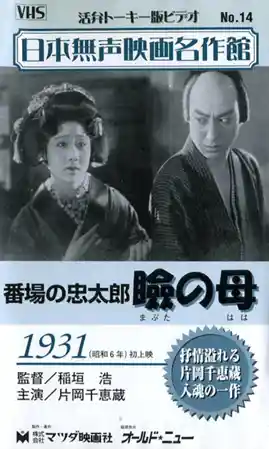
The big moment is when he finally finds his mother. I won't spoil it, but she is not exactly waiting with open arms and a hot meal. It is brutal to watch. The way she looks at him—like he is a ghost or a bad debt—is colder than the winter scenes. It makes you want to reach into the screen and give the guy a sandwich.
Isuzu Yamada is in this, and even though she is so young here, she is already great. She does not have to do much to make you feel bad for everyone involved. Her eyes do all the heavy lifting. It’s way more emotional than the stuff in The Doctor and the Woman.
It is not all sad, though. There are a couple of fights where he has to use his sword. But they feel weirdly secondary to the crying. Chutaro swings his sword like he is trying to swat away his own bad memories. It is not as polished as something like The Black Ace, but it has more soul.
One thing that bugged me was the silence. In these early films, the silence in the middle of a scene can be *very* loud. You start hearing the floorboards creak in your own house and you think someone is behind you. It adds to the loneliness of the character, I guess.
I also noticed a guy in the background of the tavern scene who was definitely not acting. He was just eating his bowl of rice like it was the best thing he had ever tasted. I spent five minutes just watching him instead of the main dialogue because he seemed so happy compared to Chutaro.
Is it better than Cupid Forecloses? Yeah, probably, if you want something that stays with you after the lights go up. It is a movie about how you cannot really go home again. Even if you find the house, the person inside might not be who you remember. 🏠
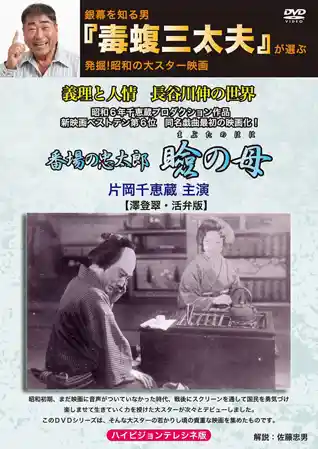
The house his mom lives in now looks way too nice. It makes Chutaro look even more like a scrub. He is standing there in his dirty traveler clothes, and the contrast is just... oof. It reminds me of the social divide you see in A Square Deal. Money changes people, or at least it changes how they look at their past mistakes.
Hiroshi Inagaki really knows how to frame a guy looking at a closed door. There are like three different scenes of people just standing in doorways. It is very symbolic. Or maybe they just really liked that one door they built for the studio. It is a nice door, to be fair.
The ending is... well, it is an ending. It does not tie everything up in a neat little bow. It just kind of stops. Which is fine, because life usually does that too. It’s not like The Little Yank where things feel more structured. It’s just a guy walking away into the dark.
Check out the way the shadows hit the wall when Chutaro is leaving the house for the last time. That is the best shot in the whole thing. It is simple, but it tells you everything you need to know about how he is feeling inside. **Pure heartbreak.**
Anyway, watch it if you are in the mood to feel a bit melancholy. It is a solid hour of a man realizing he is basically alone in the world. Fun times! If you're looking for more action, maybe try The Battle of Trafalgar instead. But for the feels, stay here.
Wait, I almost forgot the sister. She is nice, but she feels like she wandered off the set of Beach Nuts. She is way too bubbly for this much tragedy. Her smile is almost distracting when everyone else is miserable.
Final thought: the hat. Chutaro’s straw hat is iconic. It is frayed and dirty and I kind of want one for my garden. It has seen some stuff. Just like Chutaro.
IMDb 6.6
1936
Community
Log in to comment.