DbcultAccessing Vault...
6.8/10
Senior Film Conservator
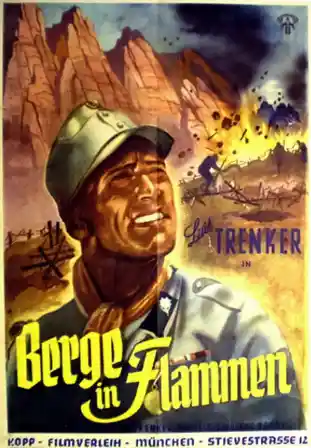
A definitive 6.8/10 rating for a film that redefined the boundaries of cult cinema. Berge in Flammen remains a cornerstone of transgressive art.
So, you’re looking at a movie from 1931. Berge in Flammen. Let’s be real: this isn't for everyone. If you need explosions every five minutes and characters with deep, complex backstories explained in snappy dialogue, you’ll probably find this a bit of a slog. But if you’re into the history of cinema, or have a soft spot for WWI stories, especially the wild ones from the Italian Front, then yeah, absolutely give it a watch. It’s got a raw, old-school charm that’s hard to ignore.
The film opens with this beautiful, almost romantic portrayal of mountaineering. We see the Austrian, Florian, and the Italian, Arturo, conquering peaks together. They're brothers of the rope, you know? The shots of them scaling those sheer rock faces, all without modern gear, are genuinely impressive. It felt real, the kind of real that makes your palms sweat a little even today.
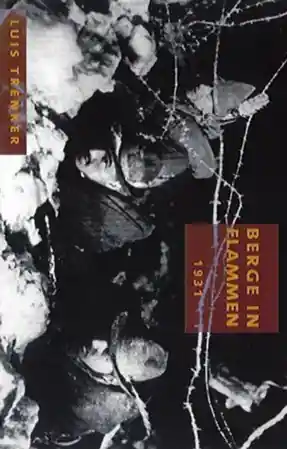
There's this one scene where they're resting on a ledge, sharing a bottle. The way the light hits the mountains, and their easy banter, it just screams simpler times. You really feel their bond. It’s not overdone, just a quiet understanding. The vast, silent beauty of the Alps acts like a third character in these early scenes, a serene backdrop that makes the coming conflict feel even more sacrilegious.
Then, a quick cut, and suddenly the world is at war. It's jarring, like getting smacked in the face after a peaceful nap. Florian and Arturo, now on opposite sides, are fighting in the very mountains they once climbed for sport. The film really digs into the absurdity of it all. Instead of ropes and ice axes, they're using rifles and explosives. It's a tragedy unfolding in a place that should only know peace.
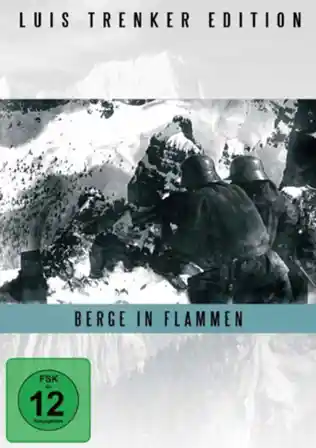
What really stuck with me were the scenes involving the mines. They actually show the tunneling, the desperate work beneath the earth. 💣 You see the soldiers digging, setting charges, the constant fear of collapse or of the enemy doing the same just meters away. It’s a very specific, terrifying aspect of WWI that often gets overlooked in other films. The idea of literally blowing up a mountain to kill your enemy, it’s just… intense. The claustrophobia, the unseen enemy, it's a different kind of horror.
The battle sequences are, well, of their time. You won't get the fast-paced, shaky-cam action we're used to. Instead, there's a certain static grandeur to it. Lots of wide shots of men scrambling over rocks, explosions erupting on distant peaks. It sometimes feels a bit like a staged play, but then you get a close-up of a soldier's face, covered in soot, and that feeling disappears. The sheer scale for 1931 is kinda mind-blowing. The practical effects, though simple, carry a weight that CGI often misses.
Luis Trenker, who not only stars but also co-wrote and directed, brings this amazing authenticity to the mountaineering. He was a real climber, and you can tell. Every grip, every step feels deliberate. His performance as Florian carries a quiet strength, even when things get desperate. He doesn't need big speeches to convey emotion. A look, a tired slump of the shoulders, says it all. You can feel his personal connection to these mountains and this story.
The pacing, yes, it's slow. Things unfold deliberately. There are long stretches where you just watch the men move through the landscape, or prepare for an attack. A modern film would condense this, but here, it adds to the sense of arduous effort.
IMDb —
1917
Community
Log in to comment.