DbcultAccessing Vault...
Cult Review
Senior Film Conservator
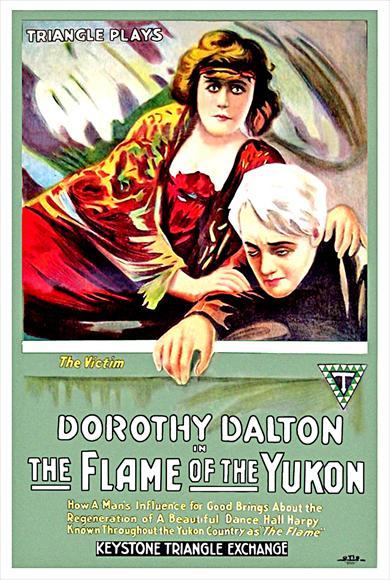
Step back in time, dear reader, to an era when the silver screen was truly silver, and the narratives unfolded not through spoken word, but through the raw, visceral power of expression and the grand sweep of cinematic vision. We’re journeying to 1917, to the rugged, unforgiving landscape of the Yukon, where fortunes were as fleeting as the northern lights and human passions burned with an intensity that defied the biting cold. Our destination: ‘The Flame of the Yukon’, a cinematic gem that, despite the passage of over a century, still manages to ignite the imagination with its potent blend of romance, betrayal, and redemption. This isn't just a film; it's a testament to the enduring allure of the silent era's storytelling prowess, a masterclass in how to craft a compelling human drama against a backdrop of untamed wilderness.
At the heart of this compelling narrative stands a character as formidable as the landscape itself: The Flame. Portrayed with captivating intensity by the remarkable May Palmer, The Flame is no demure damsel in distress; she is a force of nature, a veritable queen of the Midas Café, her reputation preceding her from the farthest reaches of Nome to the bustling, gold-fevered streets of Dawson. Her very name conjures images of both warmth and danger, a fitting moniker for a woman who commands respect and fear in equal measure. Palmer embodies this duality with a nuanced performance that transcends the limitations of silent film, conveying a spectrum of emotions through subtle gestures, piercing gazes, and a commanding physical presence. She is the undisputed sovereign of her domain, her will as unyielding as the permafrost, her spirit as indomitable as the northern winds. Her initial portrayal establishes her not merely as a dance hall girl, but as an entrepreneur, a survivor, and a shrewd operator in a world where only the strongest endure.
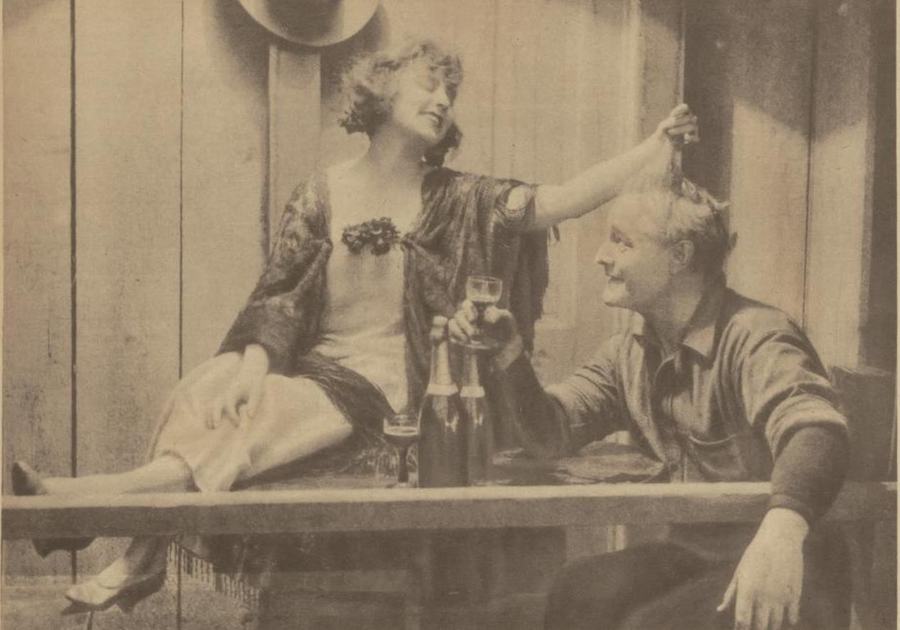
The arrival of George Fowler, played by the dashing Kenneth Harlan, marks a pivotal turning point in The Flame's carefully constructed world. Fowler is a figure of youthful vigor, his good looks and raw, audacious nerve a magnetic draw for The Flame. His ambition, coupled with an undeniable charm, manages to pierce through her hardened exterior, stirring emotions she likely believed long dormant. This isn't a mere infatuation; it's a profound connection that compels her to reconsider her entire existence. In a daring act of faith and burgeoning love, she chooses to grubstake him, investing not just her financial resources but her very future into his quest for gold. Her decision to 'go straight' is a powerful declaration, a testament to the transformative power of this new relationship. She envisions a life beyond the smoke-filled halls of the Midas Café, a future built on shared dreams and the promise of a simpler, more conventional happiness, awaiting his return from the treacherous gold fields.
This initial setup, with its clear stakes and romantic aspirations, lays a robust foundation for the ensuing drama. The audience is invited to witness The Flame's vulnerability, a stark contrast to her public persona. It’s a classic narrative trope, yet handled with a fresh energy that speaks to the era’s fascination with strong, independent women finding love in unexpected places. The stark contrast between The Flame's world of gambling and entertainment and Fowler's arduous pursuit of mineral wealth underscores the vast social and economic landscapes of the Yukon, where dreams of riches often intertwined with desperate gambles of the heart.
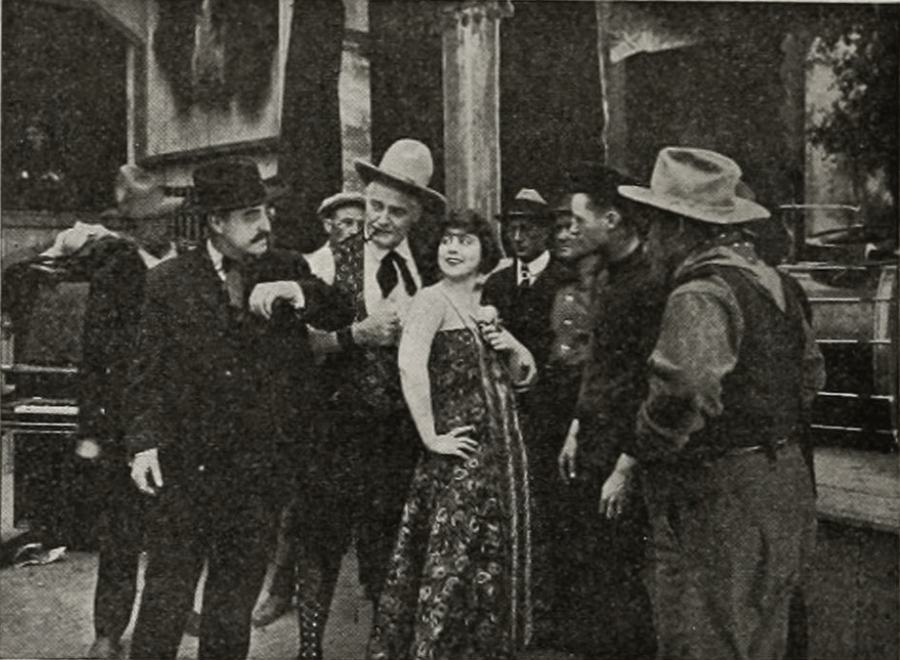
The narrative takes a sharp, dramatic turn with the arrival of a young girl and her baby, her innocent quest for her husband – a George Fowler – shattering The Flame's idyllic vision. This moment, executed with a devastating simplicity characteristic of silent film's best dramatic revelations, is a gut punch. The Flame's world, built on hope and sacrifice, crumbles around her. Margaret Thompson, in her role as the unwitting catalyst for this heartbreak, delivers a performance of quiet desperation that amplifies The Flame's internal turmoil. The sheer weight of this revelation, the tragic irony of her situation, is palpable. Instead of succumbing to bitterness, The Flame's character undergoes a profound transformation, revealing a deep well of selflessness. She takes the young wife and child under her wing, her actions driven by a noble, if misguided, desire to protect the man she loves from the consequences of his past. Her decision to feign her own death is an act of supreme sacrifice, a heartbreaking attempt to absolve Fowler of his perceived obligations and allow him a clear path to his family, even if it means sacrificing her own happiness.
This segment of the film resonates with the emotional intensity found in other silent era melodramas focusing on female sacrifice, though ‘Assunta Spina’, for instance, explores a different kind of societal constraint and passion. Here, The Flame's agency, even in self-destruction, remains fiercely her own. When the unwitting Fowler returns, greeted by the tragic news of 'The Flame's' demise, his desolation is powerfully conveyed by Harlan. The ensuing scene, where a forlorn Fowler attempts to 'break the bank' in a desperate act of grief and recklessness, is fraught with tension. The saloon's proprietor, a villainous figure common to such frontier tales, sees an opportunity to exploit Fowler's vulnerability, planning to rob him. It is at this critical juncture that The Flame makes her dramatic reappearance, a phoenix rising from the ashes of her own manufactured tragedy, her six-guns blazing. This thrilling rescue sequence is a quintessential silent film moment, blending action, suspense, and the triumphant return of the heroine, cementing her status as a protector and a force to be reckoned with.
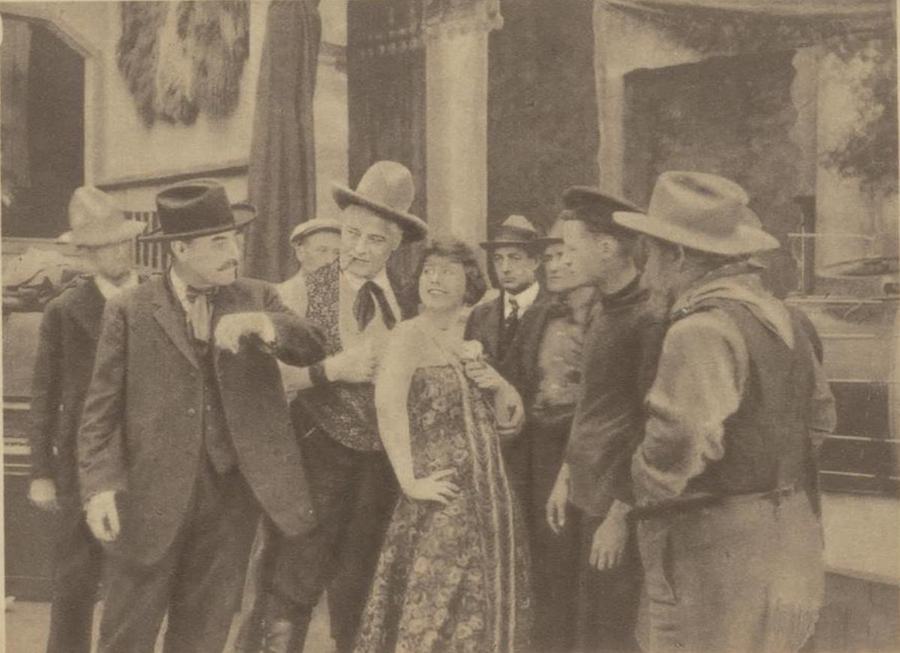
The immediate aftermath of the rescue sees The Flame grappling with an impossible dilemma. The courage that allowed her to wield her pistols and save Fowler’s life deserts her when faced with the prospect of revealing the truth about his wife and child. Her silence, born of a complex mix of love, fear, and lingering self-sacrifice, leads her to take him to a hotel, where a profound battle of conscience unfolds within her. This internal struggle is one of the film’s most poignant elements, showcasing Palmer’s ability to convey deep emotional conflict without dialogue. The audience is invited into The Flame’s mind, witnessing her oscillate between the desire for her own happiness and the moral imperative to do what is right. It’s a powerful exploration of human frailty and strength, a testament to the complex moral landscape that Monte M. Katterjohn, the film's writer, so skillfully etched. Katterjohn's script, though silent, speaks volumes through its dramatic construction and the emotional arcs of its characters.
In a stroke of narrative genius, The Flame’s 'better nature' ultimately triumphs, leading to the serendipitous discovery that there are, in fact, two men named George Fowler. This revelation, a classic melodramatic twist, is not merely a convenient plot device but a profound moment of liberation for The Flame. The man she loves, the one whose charm and ambition captivated her, is indeed single, unburdened by the familial ties that had threatened to extinguish their nascent romance. This twist, while perhaps leaning into the fantastical, provides a satisfying resolution that upholds the moral integrity of The Flame while allowing for the triumph of true love. It’s a moment of pure cinematic catharsis, releasing both characters and audience from the emotional entanglement of the misunderstanding. The film navigates this delicate balance between dramatic tension and heartwarming resolution with remarkable grace.
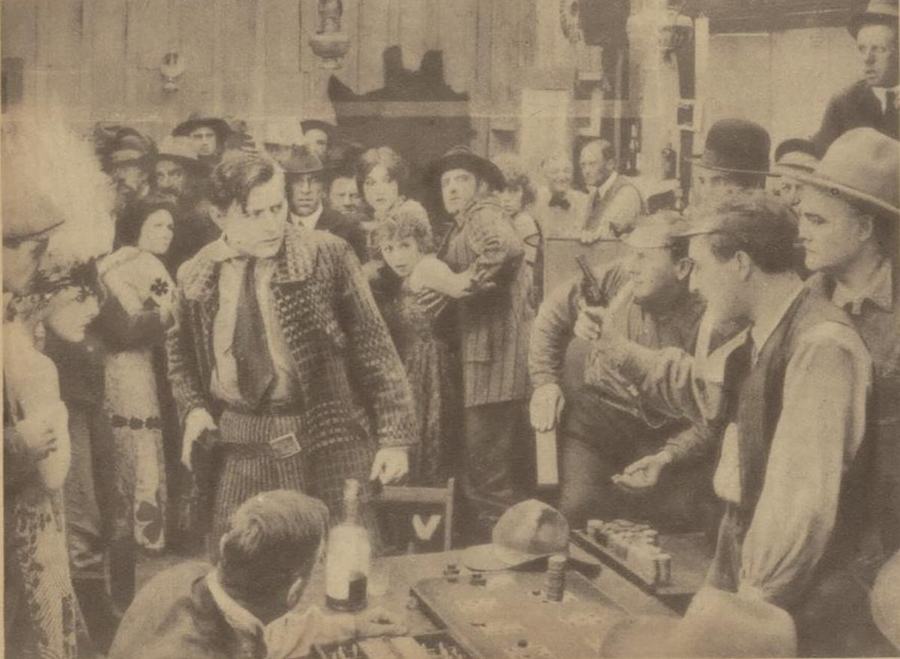
‘The Flame of the Yukon’ stands as a sterling example of silent cinema’s capacity for rich, character-driven storytelling. May Palmer's portrayal of The Flame is a masterclass in silent acting, her every gesture, every flicker of emotion across her face, conveying volumes. She crafts a character that is at once vulnerable and indomitable, a woman of fire and ice, perfectly suited to the brutal beauty of the Yukon setting. Her performance elevates the film beyond a simple romance, turning it into a compelling character study of a woman navigating a morally complex world. The film’s supporting cast, including William Fairbanks, Zalla Zarana, Dorothy Dalton, and Melbourne MacDowell, provides solid performances that flesh out the vibrant, often dangerous, world of the gold rush. Each actor contributes to the tapestry of the setting, creating a believable and immersive environment for the central drama to unfold.
The film’s aesthetic, while constrained by the technology of its time, skillfully uses the stark contrasts of the Yukon environment to enhance the narrative. The bleak, expansive landscapes serve as a powerful metaphor for the isolation and the vastness of the characters' struggles, while the interior scenes, particularly those within the Midas Café, buzz with a contained energy that highlights the human drama unfolding within. The cinematography, though often uncredited in such early works, effectively captures the mood and tension, guiding the audience's eye through the emotional landscape of the story. The use of intertitles, far from being a mere necessity, becomes an art form, their carefully chosen words amplifying the emotional impact and advancing the plot with poetic brevity. This film, like ‘The Loyal Rebel’, understands the power of strong central figures against epic backdrops.
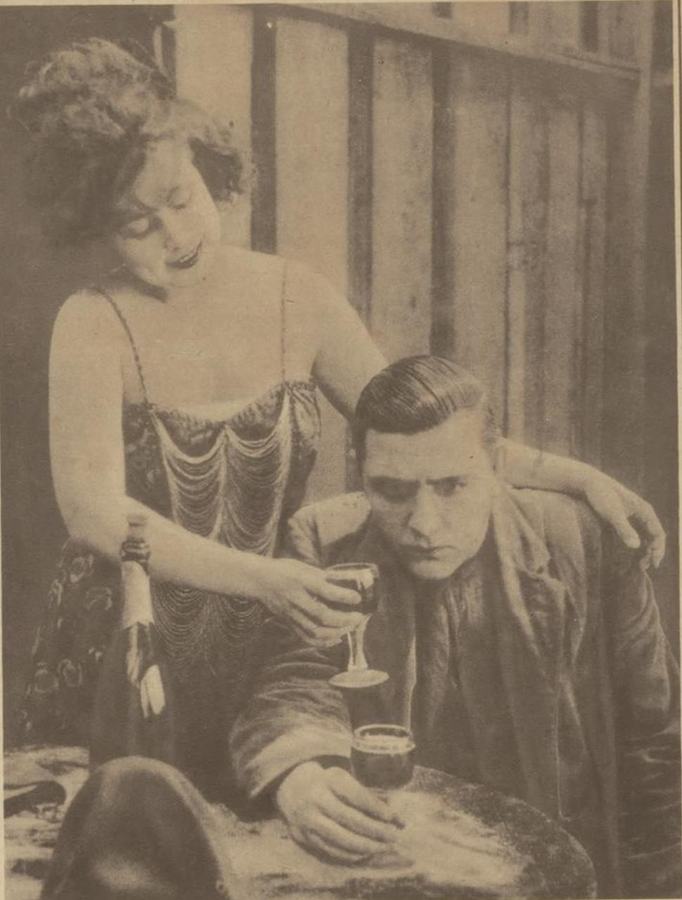
The screenplay by Monte M. Katterjohn is particularly noteworthy for its intricate plotting and character development. Katterjohn, a prolific writer of the silent era, demonstrates a keen understanding of dramatic structure, building suspense and emotional resonance through a series of escalating conflicts and poignant reveals. The 'two George Fowlers' twist, while a classic device, is handled with a genuine earnestness that makes it effective rather than trite. It allows for a resolution that feels earned, rather than simply convenient, preserving the integrity of The Flame's character arc. Katterjohn's ability to craft narratives that blend adventure, romance, and moral dilemmas speaks to the sophistication of early cinematic storytelling. His work here showcases a dedication to creating compelling human drama that transcends the technical limitations of the medium, focusing instead on the universal themes of love, sacrifice, and the search for happiness.
Comparing it to other films of its time, one can see Katterjohn’s work fitting into a broader trend of melodramatic narratives that often featured strong female protagonists facing impossible choices. While not as overtly noir-ish as ‘Fantômas: In the Shadow of the Guillotine’, or as focused on grand mystery as ‘The Million Dollar Mystery’, ‘The Flame of the Yukon’ carves its own niche by rooting its drama deeply in the emotional landscape of its characters. The film successfully balances the external pressures of the gold rush environment with the intense internal conflicts of its lead, creating a rich and engaging experience. Katterjohn's script is a testament to the power of well-constructed storytelling, regardless of the era or the technological capabilities.
Ultimately, ‘The Flame of the Yukon’ is more than just a historical curiosity; it is a vibrant, engaging piece of cinema that continues to captivate. Its themes of redemption, sacrifice, and the enduring power of love are as relevant today as they were over a hundred years ago. The film reminds us that the human heart, in its capacity for both great passion and profound selflessness, remains the most compelling subject for any storyteller. May Palmer's iconic portrayal of The Flame ensures that her character burns brightly in the annals of silent film history, a beacon of strength and vulnerability. Her journey, from the notorious ruler of a rough-and-tumble saloon to a woman willing to sacrifice everything for love, and finally to one who finds happiness through honesty and circumstance, is a powerful and resonant one. The film’s ability to evoke such strong emotions without a single spoken word is a testament to the artistry of silent cinema and the timeless appeal of a well-told story.
In an age saturated with sound and spectacle, revisiting films like ‘The Flame of the Yukon’ offers a unique opportunity to appreciate the foundational elements of cinematic storytelling. It’s a chance to witness the birth of visual narrative, where every gesture, every facial expression, every intertitle carried the weight of the story. The film’s ability to convey complex emotions and intricate plot points through purely visual means is a skill that modern filmmakers could still learn from. It reminds us that the essence of cinema lies not just in what is heard, but profoundly in what is seen and felt. So, if you ever find yourself yearning for a cinematic journey to a bygone era, to a world where courage and passion truly defined the human spirit, let The Flame of the Yukon light your way. You won't be disappointed by this fiery slice of silent film history.
IMDb 6.2
1936
Community
Log in to comment.