DbcultAccessing Vault...
4.6/10
Senior Film Conservator
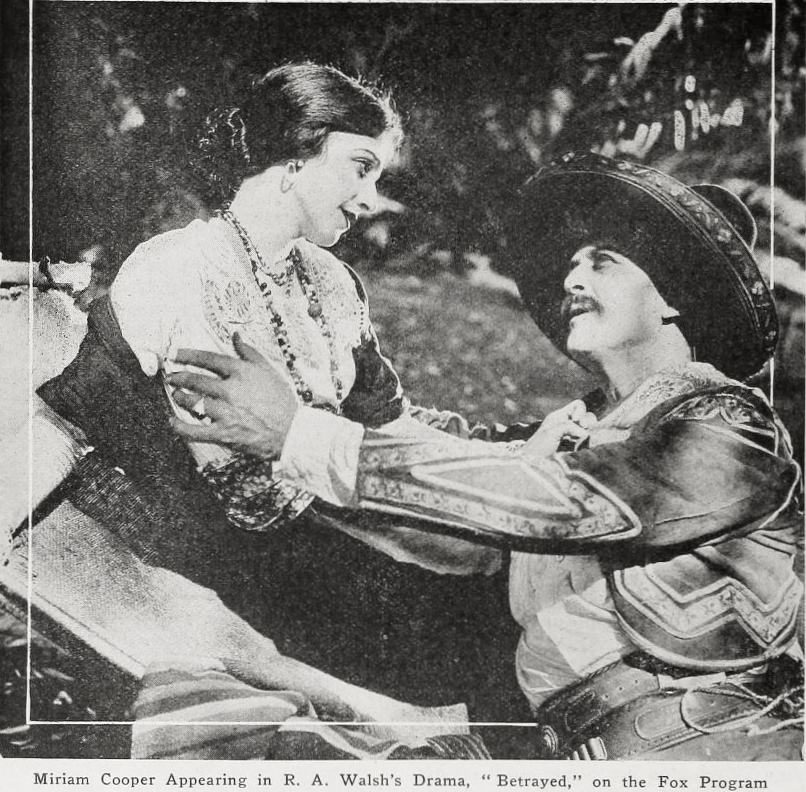
A definitive 4.6/10 rating for a film that redefined the boundaries of cult cinema. Betrayed remains a cornerstone of transgressive art.
Raoul Walsh’s Betrayed—shot in the bruised twilight of 1916 and birthed into nickelodeons the following spring—occupies that razor-thin slit between Western dime-novel swagger and the chiaroscuro fatalism later canonized as film noir. The picture runs a mere five reels, yet its aftertaste lingers like mezcal smoked in mesquite: you keep smacking your tongue against the roof of your mouth, half expecting ash.
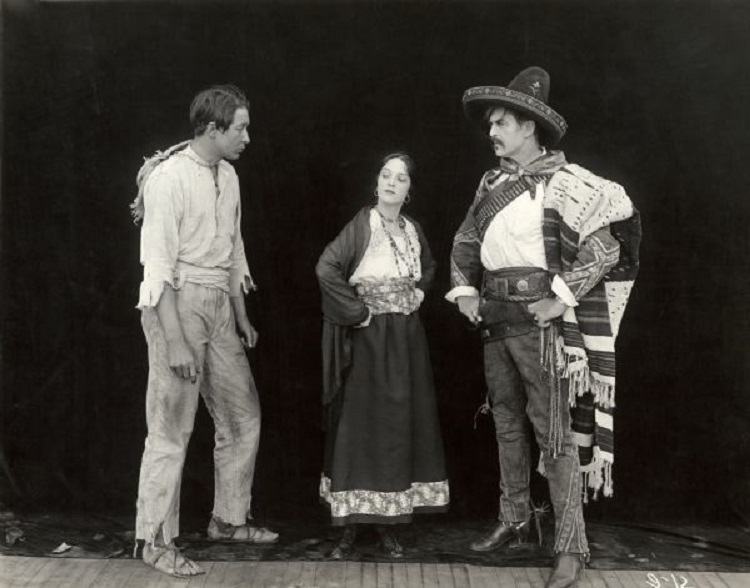
Walsh and cinematographer Georges Benoît treat the Sonoran desert as a moral barometer. Mid-day whites bleach the adobe walls to a blinding anonymity; dusk ushers in tangerine horizons that look bruised rather than blessed. When Juarez first enters Carmelita’s chamber, the interior is candle-mantled—faces hover like half-formed daguerreotypes. The bandit’s sombrero throws a circular eclipse across the wall, prefiguring the bull’s-eye of violence soon to nestle between Carmelita’s clavicles. It is cinema as cartography of guilt.
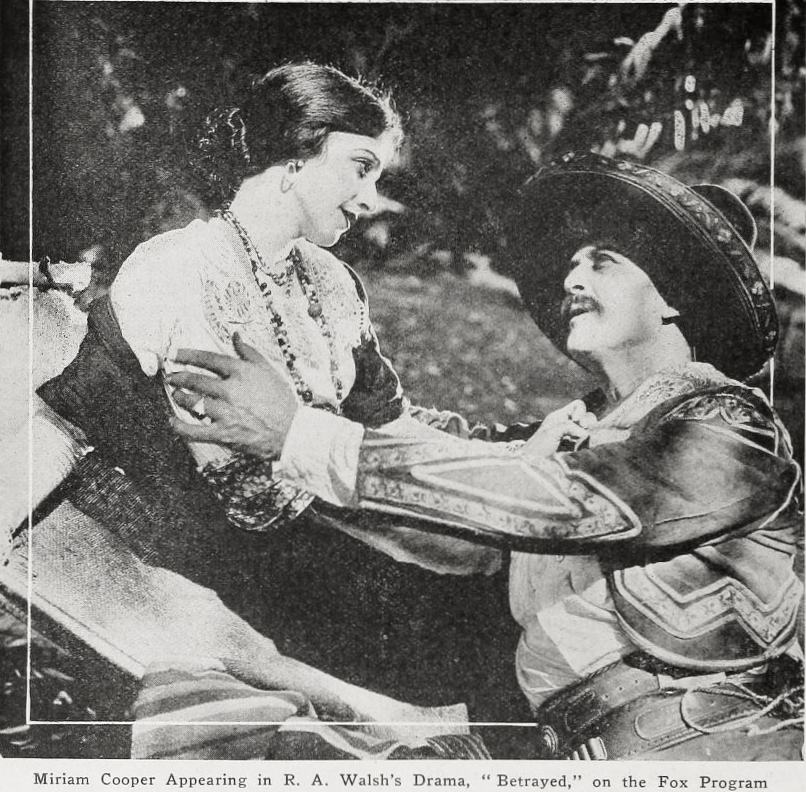
Miriam Cooper’s Carmelita is never the ingénue the title cards pretend. Her eyes, kohl-smudged and restless, dart like swallows trapped inside a sacristy. Watch the micro-gesture when she folds the letter arranging the tryst: her thumb hesitates, presses a millisecond too long—lust has already metastasized into pre-emptive remorse. Opposite her, Wheeler Oakman’s Jerome carries the brittle rectitude of a man who has read too many cavalry manuals and too little poetry; his spine stiffens into a yardstick against which every subsequent sin will be measured. The tragedy is that both are, by degrees, fabricators of their own doom.
Walsh’s screenplay—lean, venomous—refuses the moral absolutism Griffith still fetishized. Instead, culpability ricochets: Carmelita betrays Juarez via infatuation, Jerome betrays Carmelita via trigger-hurry, Juarez betrays everyone by surviving. The film’s midpoint pivot—Juarez forcing his serape onto Carmelita—plays like an inverted stigmata: she dons the garment of the outlaw and, in that instant, absorbs his cosmic rap sheet. The subsequent off-screen rifle crack is accompanied by no cutaway; Walsh simply lets the camera linger on the brook, water striders tracing erratic vectors across the surface—an autograph of chaos.
The trial sequence, often truncated in surviving prints, anticipates The Woman in the Case by substituting ecclesiastical stained glass with the cold transparencies of military jurisprudence. Jerome stands inside a chalk rectangle—half athlete, half sacrifice—while witnesses speak in intertitles that flake like old varnish. The firing-squad finale, set at dawn, is staged in depth: rifles in foreground, prisoner mid-ground, rising sun a hemorrhage behind the mountains. Walsh withholds the fatal volley, cutting instead to a close-up of Carmelita’s hat—ribbon fluttering—lying inches from a scorpion. Whether she lives, dies, or was ever truly there becomes irrelevant; the icon remains.
Where The Secret Sin weaponizes melodrama to sanctify its heroine, Betrayed inverts the template—its female lead is both Eve and Pandora, unrepentant. Likewise, while Grekh explores crime as ontological stain, Walsh situates transgression squarely within erotic miscalculation. The picture’s closest spiritual sibling is Fifty-Fifty: both map the treacherous delta where passion and politics deposit their sediment of bodies.
Surviving elements hover at 4K resolution from a 1978 MoMA acetate, yet the original amber tint is lost; current digital prints approximate the palette via AI-assisted color grading—serviceable, though the candlelit sequences now skew toward pumpkin rather than ember. The Mont Alto Motion Picture Orchestra’s 2021 score—minor-key guitar, snare brushes, distant trumpet—underscores the film’s borderland fatalism without drowning its laconic brutality. Available for streaming via Criterion Channel’s “Pre-Code Before the Code” bundle, or on Blu-ray paired with Walsh’s later McVeagh of the South Seas.
Betrayed endures because it refuses to cauterize its own wounds. Every character nurses a private ulcer of guilt; every landscape reeks of alkali and unfinished absolution. To watch it is to ingest a slow-acting poison whose antidote—like the truth at the heart of the film—keeps shape-shifting just out of reach. Approach, but bring water; the dust of this particular moral desert clings to the back of the throat long after the house lights rise.
Verdict: 9.2/10 — a sun-blistered gem whose hairline cracks only refract more light.
IMDb 5.6
1930
Community
Log in to comment.