DbcultAccessing Vault...
5.9/10
Senior Film Conservator
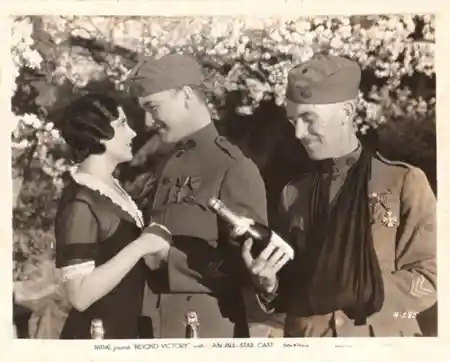
A definitive 5.9/10 rating for a film that redefined the boundaries of cult cinema. Beyond Victory remains a cornerstone of transgressive art.
If you’re looking for a brisk, action-packed war flick, then Beyond Victory might not be your speed. This one’s more for the patient types, those who appreciate a slower burn, a look into the quiet corners of soldiers' minds. You might even find yourself drifting off if you expect explosions every five minutes. It's for history buffs and film scholars, perhaps. Others? Probably a miss. 🤷♀️
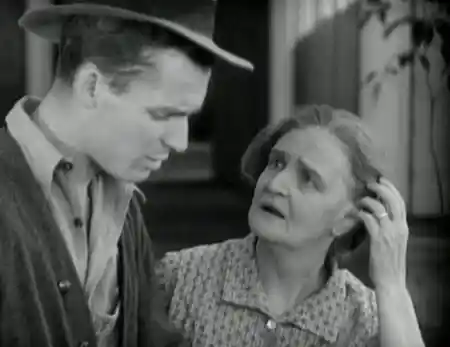
The film, it does take its sweet time. A lot of time, actually. We see these four American soldiers, stuck in a trench. Shells going off somewhere in the distance. It’s not constant chaos, more like a dull ache. The rhythm is broken up by these long flashbacks. Sometimes they feel a little too long, if I'm honest.
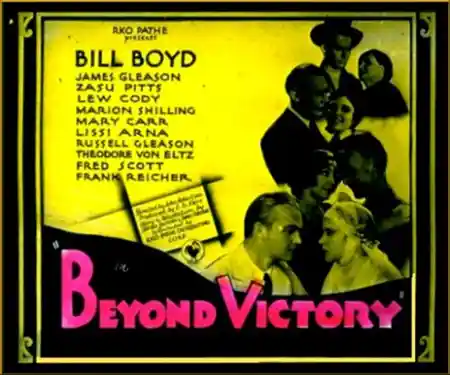
William Boyd plays the sort of leader, if you can call him that. He's got that strong, silent type down pat. There's a moment, a really close-up shot, where his eyes just sort of glaze over. That felt real. Like he’s not even in the scene anymore. Just... gone.
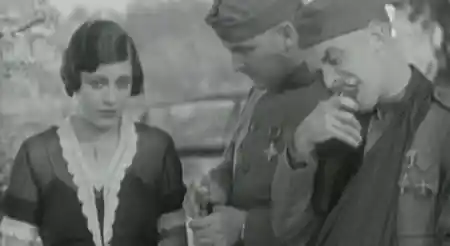
And then there's Zasu Pitts. Oh, Zasu Pitts! She’s in one of the flashbacks. You see her, all fluttery and nervous, in a little cafe scene. Her signature hesitant movements, they almost feel out of place against the grim reality of the war. But then you realize, that's exactly the point, isn't it? That fragile, almost silly civilian world they left behind. It’s a bit jarring, honestly, but in a good way, I think. Like a splash of cold water. Her scene probably runs about 30 seconds longer than it needed to, but you can’t help but watch her.

The movie tries hard to show the weight of what these guys carry. Not just their rifles, but these memories. The women, the quiet lives. Sometimes it really works.
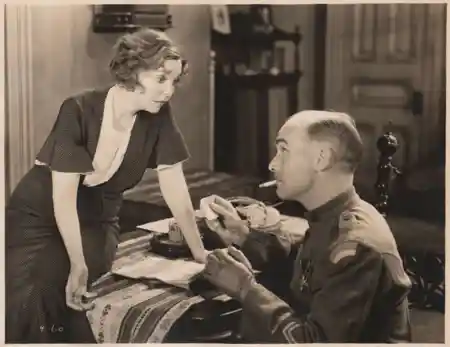
A scene where one of the soldiers, James Gleason's character, just stares at a worn photo. You can almost feel the grain of the paper. Other times, the attempt feels a bit forced, like the camera’s holding its breath, waiting for you to feel something profound.
There's this moment where a shell hits really close. The dust settles. One guy just starts humming a tune. A really off-key tune. It stuck with me. Like, that's what you do when everything else is falling apart? You hum? It’s a strange choice. Makes you wonder about coping mechanisms, I guess. 🤔
The dialogue is… of its time, you know? A lot of earnest pronouncements. Not always how people talk, but then again, it's 1931. But there are whispers, too. Quiet confessions that feel more authentic. The sound design is minimalist, which actually helps. The distant booms, the wind. It gives a sense of isolation.
Lew Cody, in his role, he has this monologue about a woman back home. It’s a bit theatrical, sure. But his voice has this weary, resigned quality to it that makes you listen. Even if the words themselves feel a touch… overwritten. You just feel the sadness behind it.
It’s not a film that gives you answers. It just sort of leaves you there, in the trench with them, still wondering what it was all for. A heavy feeling. A little slow. But sometimes, those quiet, heavy films stick with you the longest. Or at least, they make you think about that humming soldier for a day or two. 😔
IMDb 5.9
1926
Community
Log in to comment.