DbcultAccessing Vault...
5.3/10
Senior Film Conservator
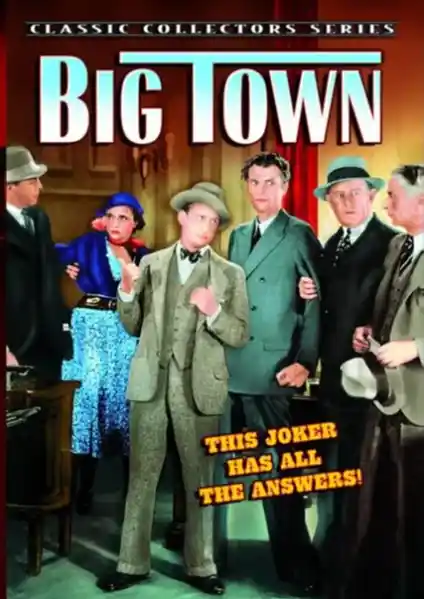
A definitive 5.3/10 rating for a film that redefined the boundaries of cult cinema. Big Town remains a cornerstone of transgressive art.
Alright, so Big Town. You know, if you’re a big fan of those early talkies, or just really curious about what a crime flick looked like way back when, then yeah, maybe give this one a look. It’s not gonna blow anyone away, but it’s got a certain charm, if you squint a bit. Anyone expecting slick pacing or deep character dives? You'll probably be bored stiff. It’s definitely not for folks used to modern cinema.
The whole thing kicks off with Riley, our main guy, who’s a newspaper reporter. And he’s, well, constantly drunk. Like, not just a little tipsy, but pretty much always wobbling. He's trying to get this big exposé from a guy named Romero, who supposedly knows all sorts of stuff about the mafia.
Of course, as soon as Riley shows up, Romero ends up dead. Shot. Before he can tell Riley a single thing. Classic stuff, really.
The immediate aftermath is a bit of a blur. Riley stumbles through, trying to piece things together. You can almost feel the movie itself trying to figure out how to handle a main character who's always half-in-the-bag. Sometimes it’s played for slight humor, other times it just makes him seem a bit pathetic.
There's this one scene where Riley tries to interview a witness, and he keeps slurring his words. The other actor just kinda stares at him, like, 'is this part of the script?' It felt a little real, almost. Or maybe the actor was just genuinely confused. Hard to tell with these older films.
The plot itself is pretty straightforward. Riley, despite his constant state of inebriation, tries to sniff out the killers. There's not a lot of twists, which is fine. Sometimes a simple, blunt narrative is exactly what you get.
One thing that kept catching my eye was the sets. They feel very much like sets, you know? Like, you can almost see the edges of the soundstage. The lighting is functional, nothing fancy. But it gives it this sort of stark, almost theatrical look. Like a stage play about crime.
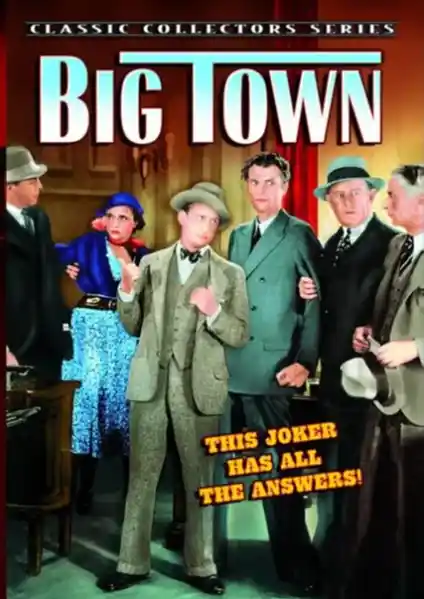
Some of the supporting performances are a bit… flat. Like they’re just reading lines. But then you get a moment where someone really commits, and it pops. There’s a detective character, not even a main one, who has this brief, intense exchange with Riley. It was a nice spark in an otherwise pretty mellow film.
Riley’s journey through the 'big town' feels less like an investigation and more like a series of unfortunate encounters. He bumps into various shady types, gets roughed up a bit. It’s a slow burn, not a thrilling chase.
I found myself wondering about the logistics of being a drunk reporter back then. Did everyone just accept it? Was it a character trait or a commentary? The movie doesn't really delve deep into it, just presents it as 'that's Riley'.
The ending is… resolved. It wraps things up, but without a huge bang. You don't get a big 'aha!' moment. More like a quiet nod. It just kinda ends. Which, again, for these older movies, isn't always a bad thing.
It's interesting to see how they handled violence too. Romero's death is shown, but it's not graphic at all. It's more implied. A quick cut, a body hitting the floor. We're left to imagine the rest. Very different from how things are done now.
Overall, Big Town is a curious little piece of cinema history. It’s not going to redefine the genre, but it’s a peek into early crime stories. If you’ve seen The Younger Generation or maybe Four Walls and want more of that era, this fits right in. Just make sure you’re in the mood for something a bit rough around the edges.
IMDb —
1919
Community
Log in to comment.