DbcultAccessing Vault...
Cult Review
Senior Film Conservator
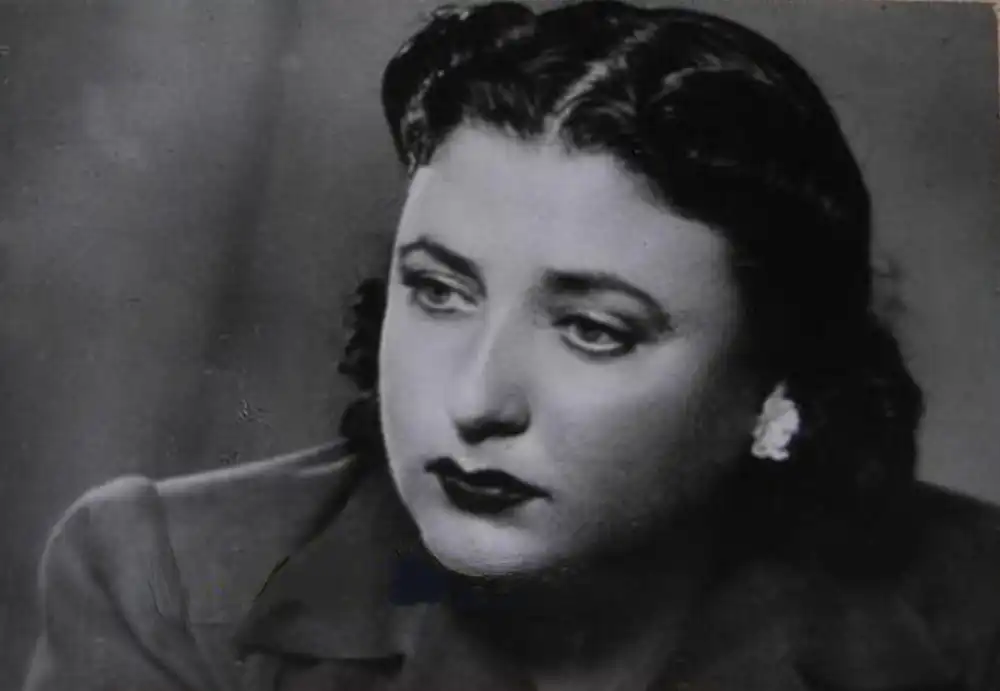
So, 'Bir sigara yüzünden.' If you're into old Turkish cinema, or just curious how past eras tackled social issues on screen, yeah, definitely give this a look. But if you need fast plots or polished modern visuals, you’ll probably just find it a bit… slow. This one’s a real peek into a specific time, telling the story of one man and his cigarette habit. It’s for folks who appreciate the history of storytelling, not necessarily constant action. 🎬
The film wastes no time showing us our lead, played by Vasfi Riza Zobu, always with a cigarette in hand, or just about to light one. You almost *smell* the stale smoke coming off the screen sometimes. It’s less about a grand tragedy and more about this slow, creeping, everyday thing that just becomes… life.
There’s this one scene, pretty early on, where he’s reaching for a pack, and his hands are shaking ever so slightly. It's a tiny detail, easy to miss, but it really stuck with me. You can almost feel that raw, physical need, even if the acting style is a bit theatrical for today's tastes.
A lot of the film settles into a rhythm of him smoking, then someone else looking at him with that look. Then more smoking. It’s repetitive, but that's the whole point, I think, to show the endless, dull cycle of it all. The silences often stretch, making you really focus on the smoke curling upwards, almost like a character itself. 💨
Saziye Moral, playing his wife (I assume, the credits are a bit sparse on character names sometimes), has this weary expression that tells a whole story without a single line. Her eyes just follow him, full of a quiet sadness, like she’s already seen how this story ends a hundred times over. It's quite effective, actually. She carries so much without saying much at all.
The movie never really *screams* its message at you, which is refreshing for a film of this type and era. Instead, it just lays out the situation, lets you sit with it. You watch him cough, you watch him struggle, you watch the slight, almost imperceptible shifts in his face as time goes on. It just… *happens* to him.
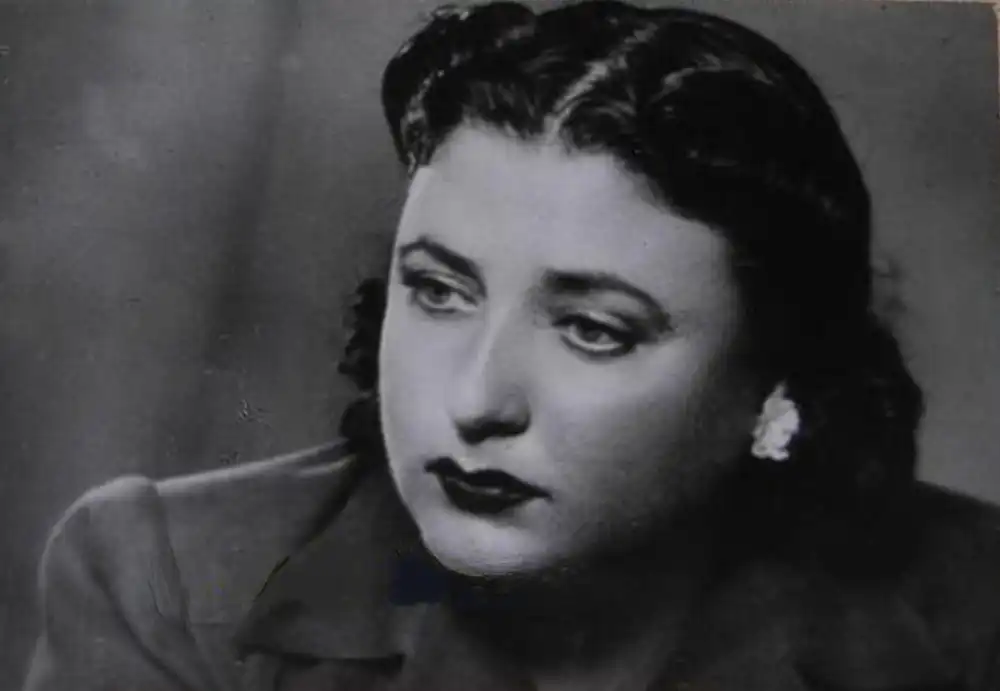
I kept noticing the ashtrays, too. Always overflowing, everywhere he goes, even in places that seem too clean for it. Like, who is emptying these things? It’s a weird, small thing, but it just adds to the atmosphere of a life, a home, that's completely consumed by this habit.
Vedat Örfi Bengü, who also co-wrote, brings a certain heavy weight to the proceedings, even when the scenes feel simple. It’s not trying to be flashy, just honest in its own way. You feel the slow passage of time, the way everything gets a little more worn out.
Toward the later parts, his voice gets a bit rougher, his movements a touch slower, a bit more labored. It’s not a sudden collapse, but this very gradual decline, almost imperceptible day by day. It’s a stark reminder that addiction often just chips away, bit by bit, until you look back and realize how far things have gone.
It's not like those modern “addiction is bad” PSAs, you know? It feels more personal, more like a quiet observation than a loud, preachy warning. Like someone just holding up a mirror to a familiar struggle, rather than pointing a finger directly at you. There’s a certain melancholy to it all, a resigned acceptance.
The ending, well, it doesn’t give you a big, neat bow to tie everything up. It just sort of… fades out. Leaves you thinking about the small, everyday choices that eventually lead to bigger, sometimes irreversible, paths. It's a bit chilling, honestly, in its quiet finality. There’s no big dramatic climax, just a slow fade.
This film has a certain *weight* to it, even with its simpler production values and older techniques. It makes you think about habits, big or small, and how they shape a life. A real artifact, this one. It’s a snapshot of a problem that hasn’t really gone away, just changed its packaging. A genuine historical curiosity worth digging up. 🕰️
IMDb —
1921
Community
Log in to comment.