DbcultAccessing Vault...
4.6/10
Senior Film Conservator
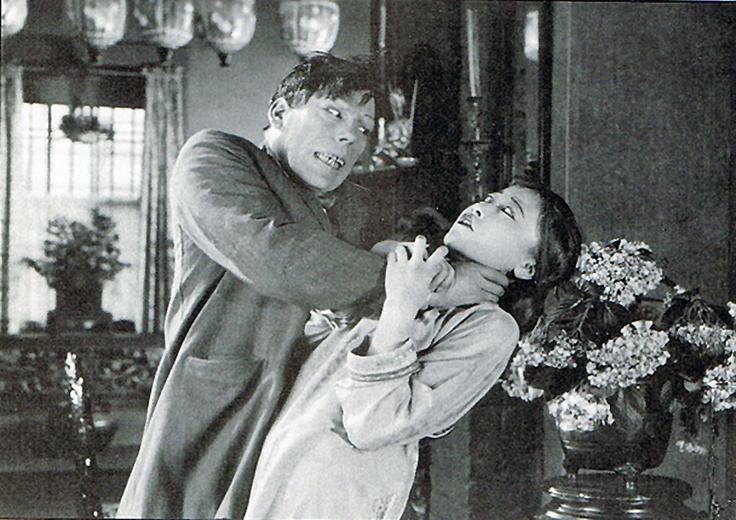
A definitive 4.6/10 rating for a film that redefined the boundaries of cult cinema. Bits of Life remains a cornerstone of transgressive art.
The 1921 film Bits of Life is a cinematic tapestry woven from four distinct episodes, each exploring the complexities of human nature. Directed by Marshall Neilan, this silent film is a masterpiece of storytelling, delving into the darkest and most vulnerable aspects of our existence. The first episode, The Bad Samaritan, introduces us to Tom Levitt, a half-breed son of a Chinese and a white woman, played by Noah Beery. Tom's life is marked by brutality and hardship, forcing him to turn to a life of crime. However, after hearing a preacher's story of the Good Samaritan, Tom experiences a moment of redemption, only to face a ten-year sentence for robbery.
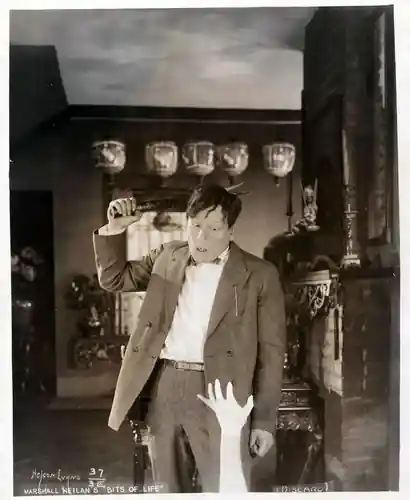
The second episode, The Man Who Heard Everything, tells the story of Ed Johnson, a deaf barber played by James Neill. Ed's life is one of quiet contentment, until he regains his hearing and discovers the harsh realities of the world. This newfound awareness brings Ed face to face with the cruelty and deception of those around him, leading to a devastating confrontation with his unfaithful wife. The use of symbolism in this episode is striking, as Ed's restored hearing serves as a metaphor for the awakening of his consciousness.
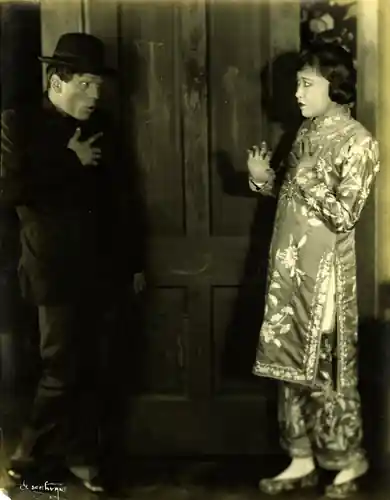
The third episode, Hop, is a haunting exploration of sexism and violence in a Chinese community. The story follows Chin Gow, played by Lon Chaney, a ruthless opium den owner who beats his wife and vows to slay their newborn daughter. This episode is a scathing critique of patriarchal societies, where women are treated as commodities and children are seen as burdens. The use of imagery in this episode is particularly striking, as the camera work and set design create a sense of claustrophobia and dread.
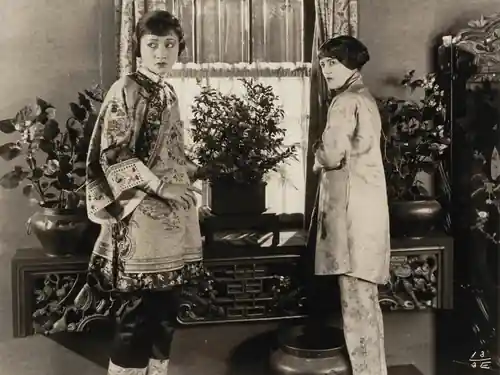
The final episode, The Intrigue, is a thrilling adventure of love and deception. Reginald Vandebrook, played by Rockliffe Fellowes, falls in love with a mysterious woman known only as Princess. As he follows her into a building, he finds himself surrounded by East Indians who are about to murder him. However, this is revealed to be a dream, and Reginald awakens to find himself in a dentist's chair. This episode is a commentary on the illusion of reality, where the lines between dreams and reality are blurred.
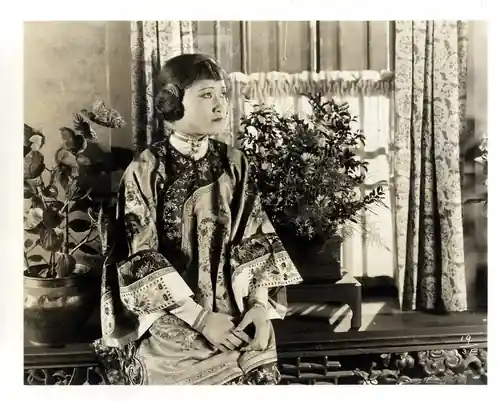
Throughout the film, the cast delivers powerful performances, bringing depth and nuance to their characters. Anna May Wong and Dorothy Mackaill are particularly noteworthy, delivering standout performances in their respective episodes. The cinematography is also noteworthy, with the use of lighting and shadows creating a sense of mood and atmosphere.
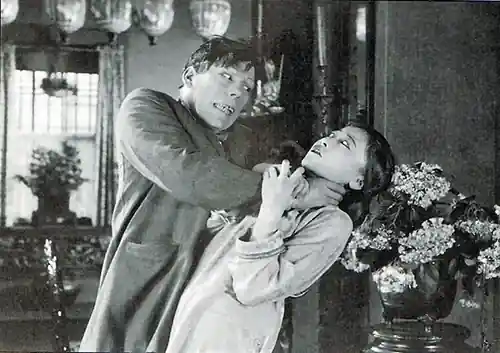
In comparison to other films of the era, Bits of Life stands out for its bold storytelling and unflinching examination of human nature. Films like The Right to Be Happy and The Painted Madonna also explore themes of identity and morality, but Bits of Life is unique in its use of multiple storylines and episodic structure. Other films, such as Mademoiselle Monte Cristo and The Mainspring, may share similar themes and motifs, but Bits of Life remains a singular work of cinematic art.
In conclusion, Bits of Life is a masterpiece of silent cinema, offering a profound exploration of human complexity. With its haunting imagery, bold storytelling, and powerful performances, this film is a must-see for anyone interested in the art of cinema. As a work of cinematic art, Bits of Life continues to inspire and influence filmmakers to this day, offering a timeless commentary on the human condition.
IMDb 4.9
1924
Community
Log in to comment.