DbcultAccessing Vault...
5.2/10
Senior Film Conservator
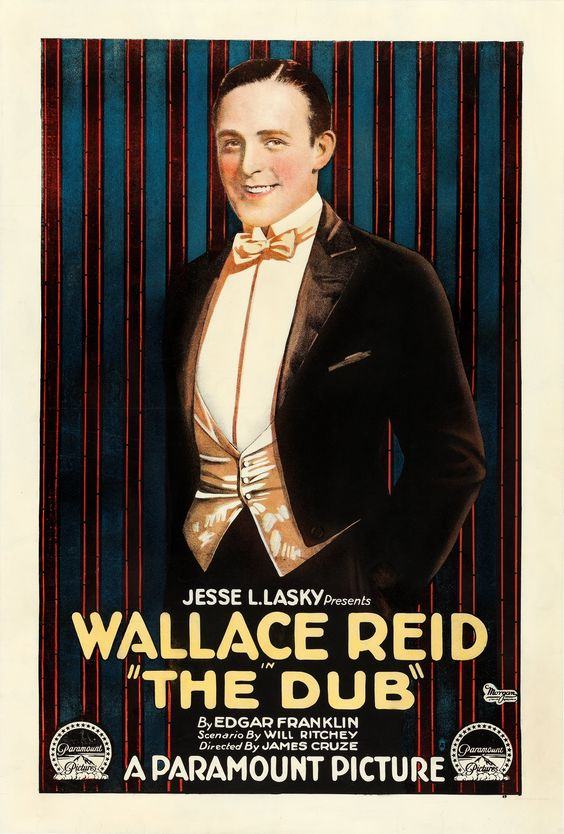
A definitive 5.2/10 rating for a film that redefined the boundaries of cult cinema. The Dub remains a cornerstone of transgressive art.
Step back in time with me, dear readers, to an era when cinematic storytelling was a symphony of gestures, intertitles, and the evocative strains of a live orchestra. We're diving into the silent film archives today to unearth a fascinating relic from 1919: The Dub. This isn't just a historical curiosity; it's a vibrant tapestry woven with threads of corporate malfeasance, mistaken identity, and the serendipitous triumph of the unassuming underdog. In an age often romanticized for its simplicity, The Dub reminds us that human nature's complexities – its greed, its cunning, its unexpected kindness – were as much a staple of narratives then as they are now.
The film opens with the rather unceremonious dissolution of a brokerage firm, Blatch, Markham, and Driggs, a business entanglement that quickly devolves into a veritable viper's nest of betrayal. Markham, one of the partners, wastes no time in absconding with crucial company records and, more significantly, the invaluable option for a highly prized mine. His motives are transparent: self-enrichment at the expense of his former associates. Yet, Markham isn't the only serpent in this garden of corporate intrigue. Blatch, another former partner, harbors his own nefarious designs. He doesn't want the option recovered; on the contrary, he wishes for it to expire, allowing him to swoop in and acquire the mine at a drastically reduced price. To facilitate this scheme, Blatch employs the services of Burley Hadden, an attorney whose moral compass appears to be perpetually broken. Hadden's task is deceptively simple: convince Driggs, the third and seemingly most naive partner, that he is diligently working to reclaim the stolen papers. It's a classic misdirection, a theatrical performance designed to lull Driggs into a false sense of security while the clock ticks down on his potential fortune.
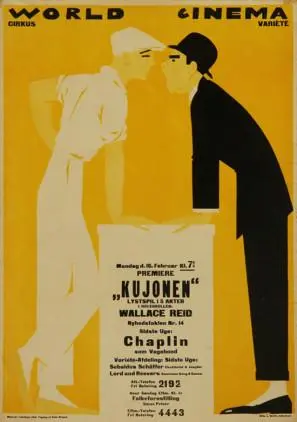
Enter John Craig, portrayed with an endearing blend of nervous energy and genuine desperation by Raymond Hatton. Craig is a construction contractor, a man perpetually teetering on the brink of financial ruin, desperately needing $800 to meet his payroll. Hadden, a keen observer of human foibles, notices Craig’s exaggerated jumpiness – a man literally startled by the innocuous pop of a paper bag. This perceived timidity leads Hadden to label Craig a 'dub,' a bumbling fool ripe for exploitation. In a move of cynical brilliance, Hadden offers Craig $1,000 to retrieve Markham's stolen documents, fully convinced that Craig's inherent ineptitude will ensure his failure, thereby playing perfectly into Blatch's hands. This setup is a masterclass in dramatic irony, setting the stage for a character arc that will defy all expectations. Hatton's portrayal here is crucial; he embodies the everyman, the accidental hero whose journey from perceived 'dub' to capable agent of justice forms the very backbone of the narrative. It’s a performance that, even without spoken dialogue, communicates a wealth of emotion, from anxiety to burgeoning confidence.
The plot thickens as John Craig, in his unwitting pursuit of Markham, finds himself embroiled in a more complex situation than he could have ever imagined. Markham, true to his duplicitous nature, attempts to ensnare John in his own web of deceit, but fate, or perhaps the sheer force of narrative necessity, intervenes. John's path crosses with Enid Drayton, played by the luminous Nina Byron. Enid is Markham's ward, but her existence is far from idyllic. She is effectively a prisoner within Markham's lavish mansion, a gilded cage designed to keep her isolated and pliable. Their meeting ignites a spark, a connection born of shared vulnerability and a nascent understanding of Markham's villainy. Enid, a woman of spirit despite her confinement, becomes an unexpected ally, her knowledge of the mansion's secrets proving invaluable. This dynamic between the bumbling hero and the captive ingenue is a classic trope, but The Dub imbues it with a refreshing sincerity, making their burgeoning camaraderie feel earned rather than forced.
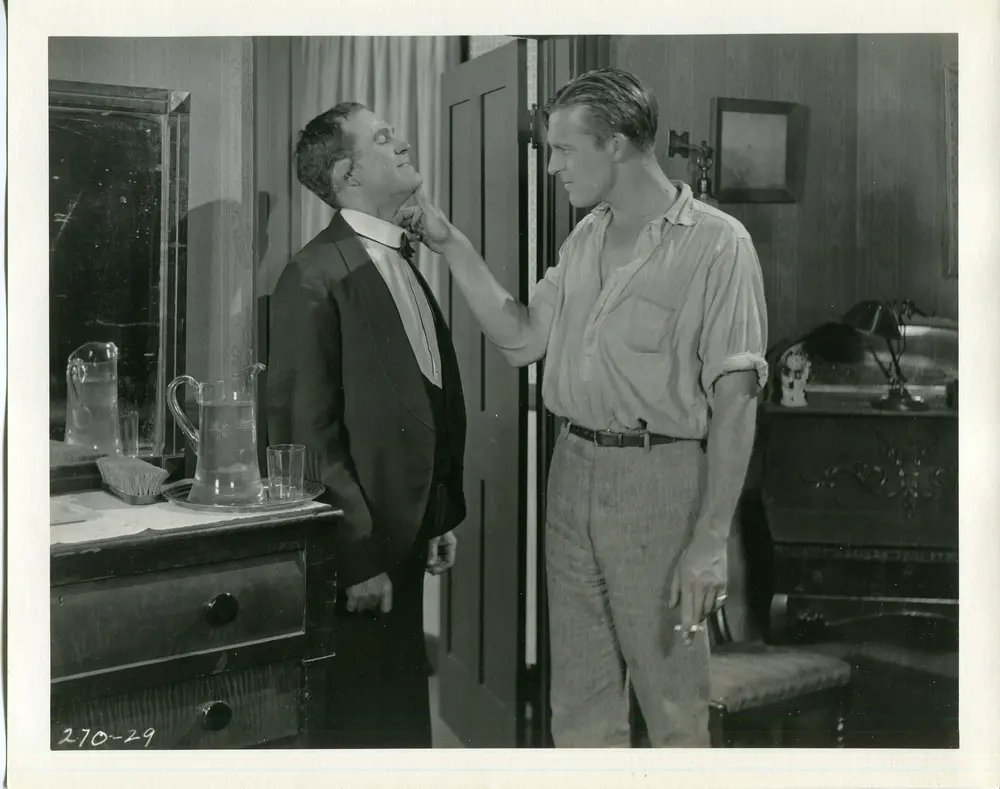
The true stroke of genius, however, arrives in the form of an unexpected accomplice: a friendly burglar. This character, whose motivations are purely professional yet whose actions ultimately serve a higher justice, injects a delightful element of comedic serendipity into the unfolding drama. Together, this unlikely trio – the 'dub' turned accidental detective, the spirited ward, and the morally ambiguous but ultimately helpful thief – embark on a mission to reclaim the stolen option. Their combined efforts lead them not only to the mine option but also to a trove of other incriminating documents. These papers lay bare the extent of Blatch and Markham's long-standing conspiracy, revealing years of systematic fraud perpetrated against Driggs. It's a satisfying narrative turn, exposing the layers of corruption that had been hidden beneath the veneer of legitimate business. The revelation transforms the initial premise of a simple retrieval mission into a full-blown quest for justice, elevating the stakes and providing a cathartic conclusion to the intricate machinations.
The resolution is as gratifying as it is complete. Driggs, finally enlightened to the extent of his partners' treachery, rewards John for his unexpected heroism. More significantly, he informs Enid Drayton of her true inheritance: a million-dollar estate, liberating her from Markham's control and securing her future. The film culminates in a tender embrace between Enid and John, a poignant symbol of their shared journey and the enduring power of genuine connection forged amidst adversity. It’s a classic Hollywood ending, perhaps, but one that feels well-earned, reflecting the film's optimistic view of justice prevailing.
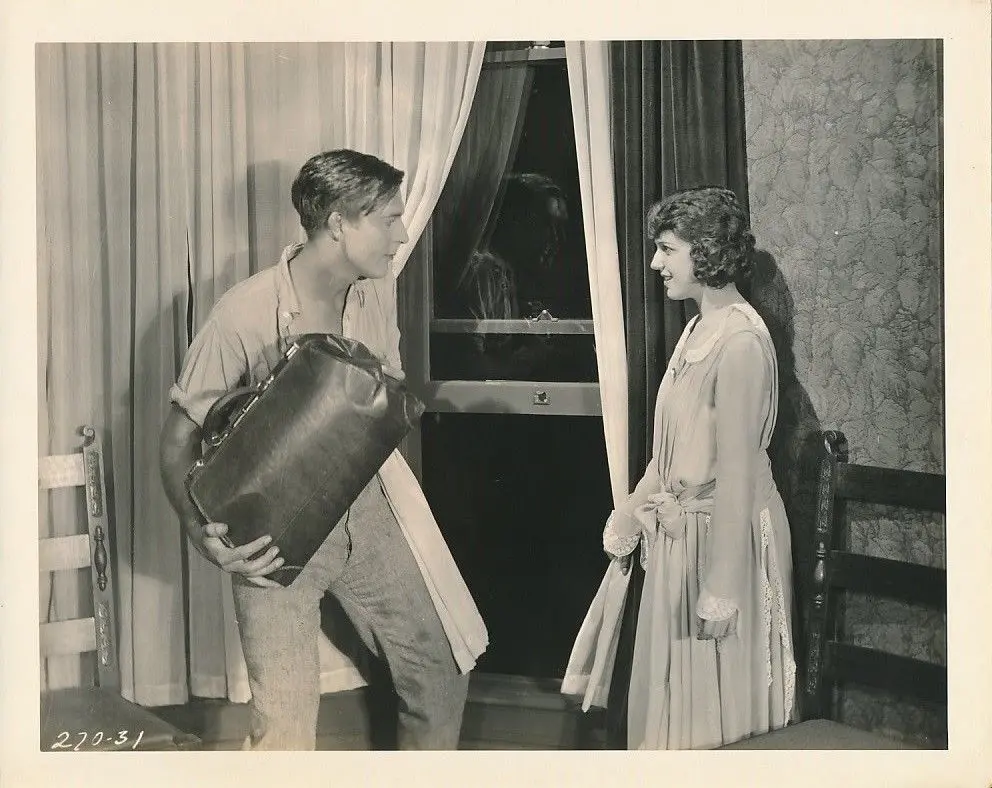
The performances in The Dub are, for the most part, exemplary of the silent era's distinct acting style. Ralph Lewis, as the conniving Blatch, embodies the quintessential villain with a sneer and a glint in his eye that speaks volumes without a single word. His physicality conveys a sense of avarice and cold calculation, making him a truly formidable antagonist. Winter Hall, as Markham, complements Lewis's performance, projecting a more insidious, manipulative brand of villainy. His attempts to dupe John are played with a subtle smugness that makes his eventual downfall all the more satisfying. Nina Byron, as Enid Drayton, brings a delicate strength to her role. Her expressions convey both vulnerability and an underlying resilience, making her character more than just a damsel in distress; she is an active participant in her own liberation. Raymond Hatton, however, is arguably the heart of the film. His transformation from the timid, easily startled John Craig to a resourceful, albeit still a little clumsy, hero is a joy to watch. He masters the comedic timing inherent in his character's 'dub' persona, yet subtly allows glimpses of his growing courage to shine through. The nuanced progression of his character is a testament to Hatton's skill, allowing the audience to genuinely root for his success. Clarence Geldert's Burley Hadden is a wonderfully cynical creation, his smirking detachment providing a counterpoint to John's earnestness. Even smaller roles, such as that of the friendly burglar, contribute significantly to the film's charm, demonstrating the depth of talent prevalent in the era.
Writers Will M. Ritchey and Edgar Franklin deserve considerable credit for crafting a narrative that, while adhering to many popular tropes of the time, manages to feel fresh and engaging. Their ability to weave together elements of corporate espionage, lighthearted comedy, and genuine suspense is noteworthy. The pacing, a critical aspect of silent film storytelling, is expertly handled, ensuring that the audience remains invested in John’s predicament and the overarching quest for justice. The intertitles, the textual exposition that bridges the silent scenes, are used judiciously, providing necessary dialogue and plot points without overwhelming the visual storytelling. This balance is crucial for maintaining the immersive experience of a silent film, allowing the actors' expressions and actions to convey the primary emotional beats.
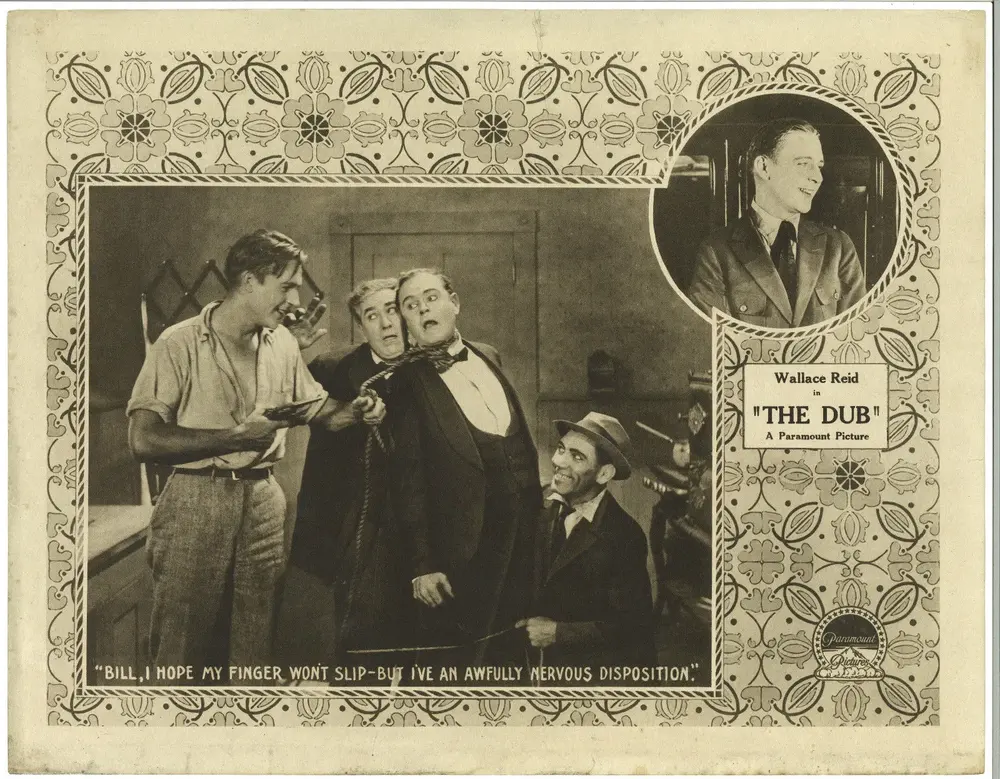
The thematic undercurrents of The Dub resonate even today. Corporate greed, the exploitation of the vulnerable, and the eventual triumph of integrity are timeless concepts. The film serves as a compelling critique of unchecked ambition and the moral decay that can accompany the pursuit of wealth. It’s a narrative that champions the everyman, suggesting that heroism can emerge from the most unexpected places and that perceived weakness can, in fact, be a catalyst for strength. This uplifting message, delivered through a delightful blend of humor and suspense, makes The Dub more than just a historical artifact; it's a story with enduring appeal. The idea of the 'dub' – the person underestimated and overlooked – rising to the occasion is a powerful one, echoing through countless narratives across cinematic history.
Comparing The Dub to other films of its era reveals both its unique qualities and its place within broader cinematic trends. The intricate web of deception and corporate malfeasance, for instance, might remind some viewers of the complex criminal plots found in films like The Mystery of No. 47 or even the German thriller William Voß. Der Millionendieb, both of which delve into the dark underbelly of financial crime. However, The Dub distinguishes itself by infusing these elements with a strong current of comedic lightness, preventing the narrative from becoming overly grim. The transformation of John Craig from a timid individual to an accidental hero, overcoming his own perceived shortcomings, bears a thematic kinship with films like The No-Good Guy, where characters defy societal labels and expectations to prove their worth. Furthermore, the melodramatic elements, particularly Enid's captivity and the grand reveal of her inheritance, align with the popular dramatic conventions seen in films such as The Blindness of Divorce or A Model's Confession, where personal struggles and moral quandaries often take center stage. The unexpected alliance with the burglar, a character who operates outside the conventional bounds of morality yet aids in the pursuit of justice, adds a layer of delightful unpredictability, echoing the kind of unconventional partnerships that might be found in a film like Three Men and a Girl, where disparate individuals are brought together by circumstance. These comparisons highlight The Dub's ability to blend familiar genre elements into a cohesive and entertaining whole, showcasing its versatility and appeal within the silent film landscape.
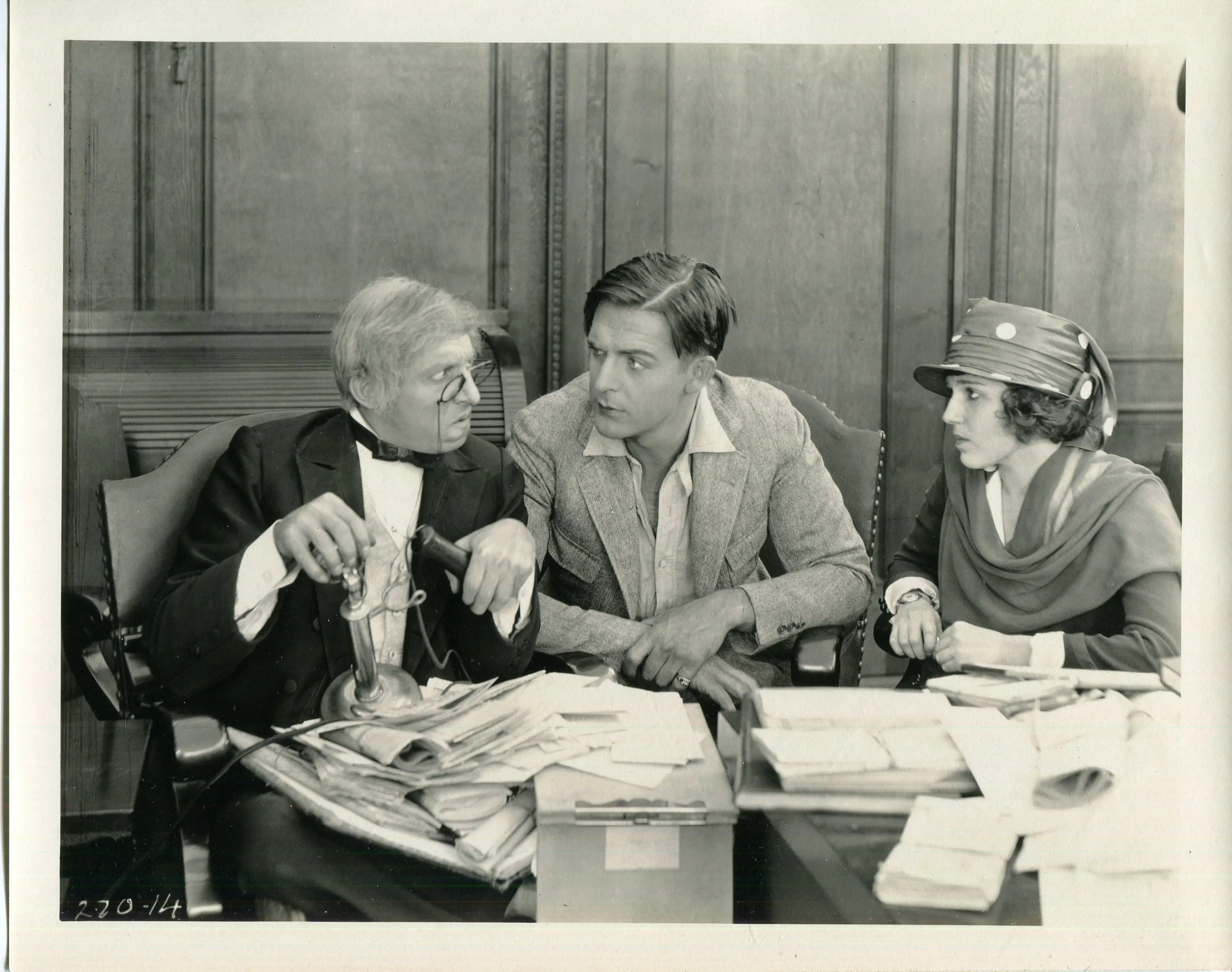
The cinematography, while constrained by the technology of the era, effectively serves the story. Close-ups are used to emphasize emotional reactions, particularly those of John Craig, allowing the audience to connect with his internal struggles and triumphs. The set design, especially Markham's mansion, subtly conveys the opulence and confinement that define Enid's existence. The film's overall aesthetic contributes to its narrative impact, creating a visual language that is both functional and expressive. The use of light and shadow, a hallmark of early cinema, is employed to heighten suspense during the clandestine retrieval mission, adding a layer of visual drama to the unfolding events. Despite the limitations of the time, the filmmakers managed to craft a visually engaging experience that complements the compelling narrative.
In conclusion, The Dub stands as a testament to the enduring power of silent cinema. It's a film that, despite its age, offers a surprisingly sophisticated blend of drama, comedy, and social commentary. The performances are captivating, the plot is ingeniously constructed, and its themes remain as relevant today as they were over a century ago. It reminds us that stories of corporate betrayal, personal redemption, and the unexpected hero are timeless. For those interested in the evolution of film, or simply seeking a compelling narrative, The Dub is more than just a historical footnote; it’s a vibrant, engaging piece of cinematic art that deserves to be rediscovered and appreciated. It’s a delightful journey into a bygone era, proving that sometimes, the most unassuming characters can be the ones to unravel the grandest deceptions and bring about the most satisfying justice. A truly underrated gem that shines brightly from the silent screen.
IMDb 6.2
1933
Community
Log in to comment.