DbcultAccessing Vault...
Cult Review
Senior Film Conservator
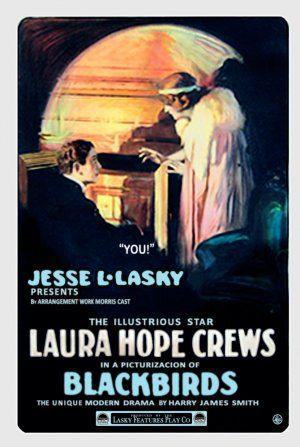
In the nascent years of cinematic storytelling, when the silver screen was still finding its voice, certain films emerged as compelling precursors to the complex narratives and character studies we cherish today. Harry James Smith and Margaret Turnbull's screenplay for the 1915 production, Blackbirds, stands as a testament to the enduring allure of crime, romance, and moral ambiguity, even in an era defined by its nascent technical capabilities. This isn't merely a silent film; it's a vibrant tapestry woven with threads of international intrigue, class disparity, and the perennial human struggle between vice and virtue. To truly appreciate its artistry, one must peel back the layers of time and immerse themselves in the dramatic conventions and subtle expressions that defined early 20th-century filmmaking. The film, directed with a keen eye for suspense, plunges us into a world where honor is a commodity, and deception a fine art, setting the stage for a compelling interplay of wits and wills.
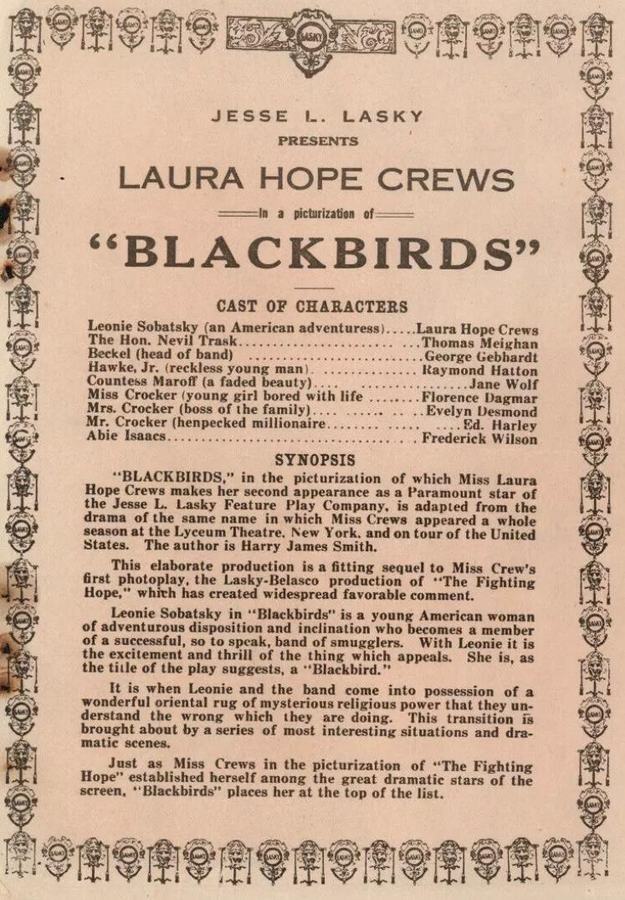
The narrative thrust of Blackbirds is immediately established through the character of Hawke, Jr., portrayed with a compelling blend of earnestness and youthful ambition by Thomas Meighan. He is not merely a protagonist but a scion, bearing the weighty mantle of a celebrated New York detective father. This paternal shadow casts a long, often challenging, presence over his aspirations, pushing him to prove his mettle against formidable adversaries. His father's challenge to apprehend the elusive "The Blackbirds," a shadowy consortium of smugglers, isn't just a professional assignment; it's a crucible for his identity, a trial by fire designed to forge him into a worthy successor. The very premise imbues Hawke's quest with a deeply personal resonance, elevating it beyond a simple police procedural. It’s a classic trope, certainly, but one that resonated powerfully with audiences then, and continues to hold a certain charm even today, echoing the timeless struggle for individual recognition within a powerful lineage. The film effectively uses this dynamic to drive the initial conflict, making Hawke's journey not just about catching criminals, but about earning his own stripes.
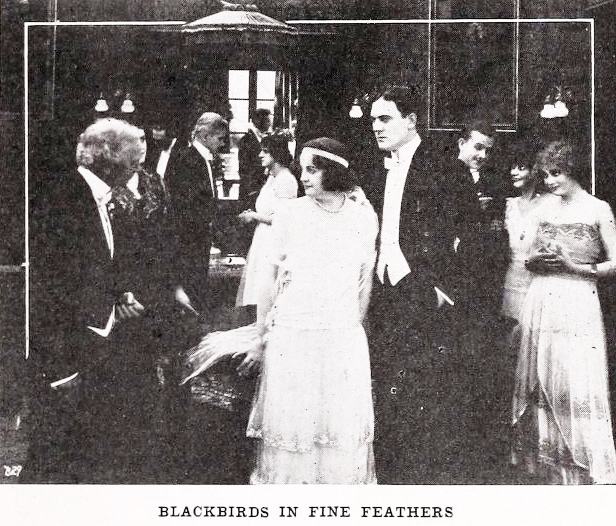
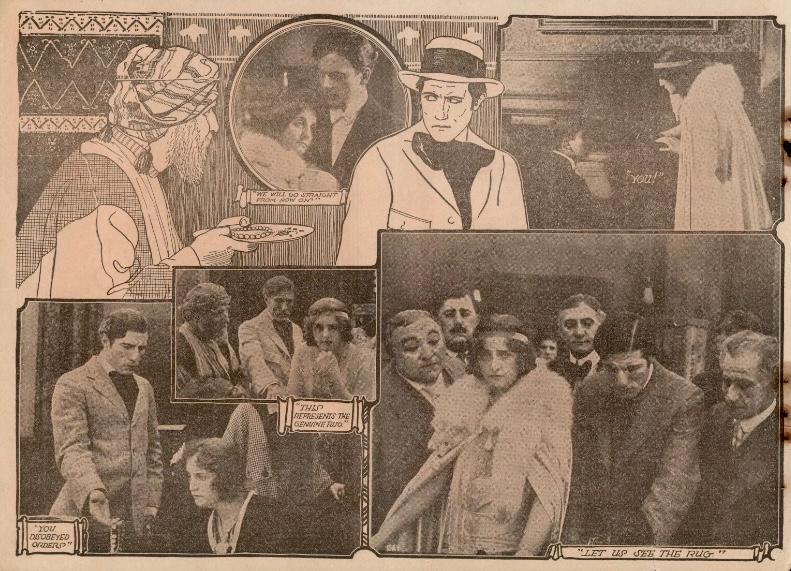
Hawke's initial pursuit leads him to the exotic and potentially perilous shores of Algiers, a setting that, even in a silent film, evokes a sense of mystery and international intrigue. It is here that the true machinations of "The Blackbirds" begin to unfurl. Bechel, the gang's cunning leader, played by George Gebhardt with a palpable air of sophisticated menace, is no ordinary criminal mastermind. His awareness of Hawke's presence in Algiers immediately elevates the stakes, transforming the hunt into a cat-and-mouse game where the hunter is also being watched. Bechel's strategic genius is showcased in his deployment of Leonie Sobatsky, brought to life by the nuanced performance of Evelyn Desmond. Leonie is not merely a pawn but a complex character, tasked with infiltrating the lives of the Crockers, a nouveau riche couple whose recent acquisition of a priceless Oriental rug makes them prime targets. The plan is diabolical in its simplicity and audacity: a seamless exchange of a genuine masterpiece for a meticulously crafted fake, executed on American soil. This intricate plot point immediately draws parallels to other films where valuable objects become the focal point of criminal endeavors, such as The Great Diamond Robbery, where the allure of precious gems drives a similar narrative of elaborate schemes and betrayals. The film expertly builds anticipation around this impending exchange, making the rug itself a silent character in the unfolding drama.
The transatlantic steamer journey serves as a crucial interlude, a floating microcosm where destinies collide. It is here that Leonie encounters Nevil Trask, a character brilliantly embodied by Raymond Hatton. Trask, an English jewel thief, masterfully maintains the facade of a nobleman, his smooth demeanor and cultivated charm masking a predatory nature. The burgeoning romance between Leonie and Trask is a pivotal development, adding layers of emotional complexity to an already intricate plot. Leonie, initially a tool in Bechel's grand design, finds her loyalties tested as genuine affection for Trask takes root. Her internal conflict is palpable, a silent struggle between duty to her criminal cohorts and the awakening of personal sentiment. This theme of a criminal protagonist falling in love and questioning their illicit lifestyle is a recurring motif in cinema, seen in various forms across genres, and Blackbirds handles it with a delicate touch, relying on Desmond's expressive acting to convey her character's transformation. Meanwhile, Hawke, ever vigilant, secures a position within the Crocker home in New York, ostensibly as a guard for their jewels, but truly as an operative intent on unraveling the Blackbirds' scheme. The Crockers themselves, portrayed by Frederick Wilson and Laura Hope Crews, serve as a fascinating study in early 20th-century nouveau riche aspirations, their eagerness to display their wealth making them unwitting pawns in the unfolding drama. Crews, in particular, delivers a memorable performance, encapsulating the societal anxieties and superficialities of the era with a subtle comedic flair.
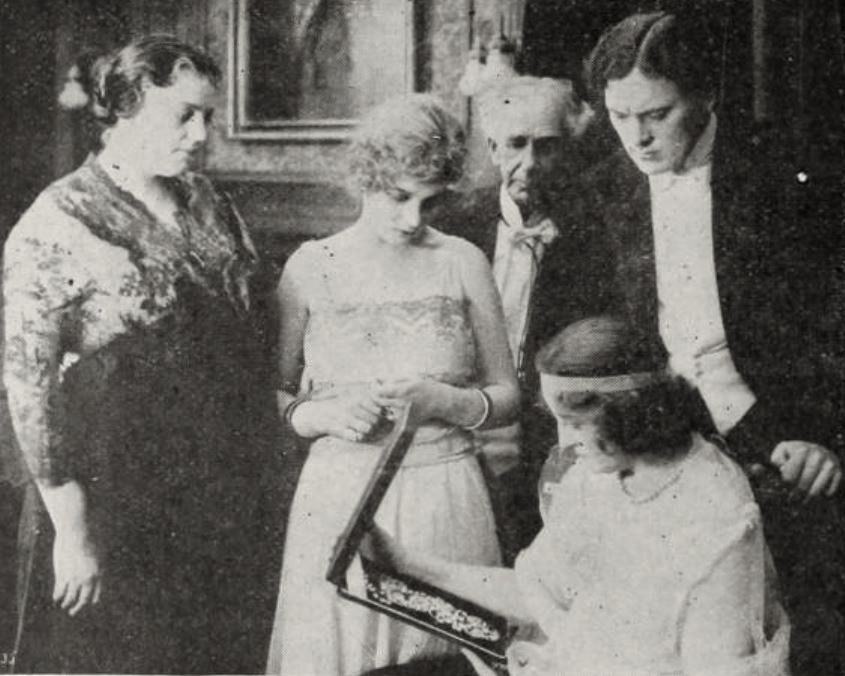
The tension escalates as Leonie, now deeply in love with Trask and still unaware of his own criminal identity, resolves to abandon the rug switch. This moral pivot, born of burgeoning love, highlights the redemptive power of human connection. However, Hawke, singularly focused on capturing Bechel and unaware of Leonie's change of heart, cunningly manipulates her into executing the original plan, replacing the genuine antique with the fake. This moment of tragic irony underscores the film's exploration of intent versus outcome, and how miscommunication or partial information can lead to unforeseen consequences. The rug, a symbol of stolen wealth, becomes a catalyst for the ultimate revelation. The climax unfolds with breathtaking pace: Leonie discovers Trask in the act of stealing the Crockers' jewels, a devastating moment that shatters her romantic illusions. The subsequent confessions, both raw and heartfelt, pave the way for a shared commitment to reform, a poignant testament to the possibility of change. This theme of criminals finding redemption is a powerful and enduring one, echoed in countless narratives throughout cinematic history, from the dark alleys of film noir to more contemporary dramas. One might even draw a thematic parallel to Queen of the Forty Thieves, where characters navigate complex moral landscapes within criminal enterprises, albeit with different resolutions. The scene is a masterclass in silent film acting, relying on exaggerated gestures and expressive facial movements to convey the profound emotional turmoil of the characters.
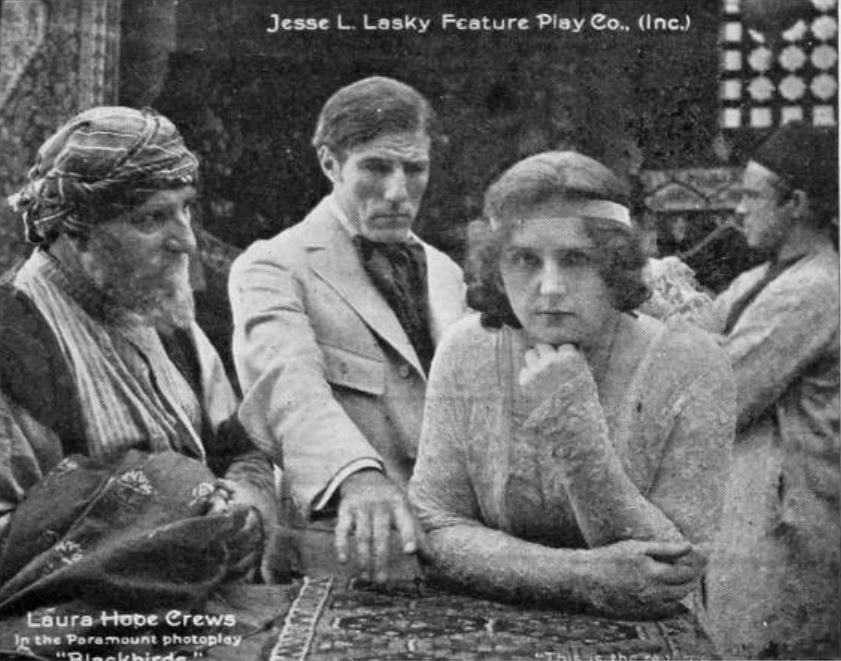
Hawke, a silent sentinel, overhears the confessions and the heartfelt promises of a new, honest life. His subsequent actions demonstrate a maturity beyond mere law enforcement; he becomes an instrument of justice tempered with mercy. Following the repentant pair, he tracks them to Bechel's headquarters, leading to a dramatic confrontation and the eventual capture of the elusive gang leader. The showdown is swift and decisive, providing a satisfying resolution to Hawke's primary mission. Yet, the true surprise comes in Hawke's final act: rather than incarcerating Trask and Leonie, he grants them their freedom, contingent on their promise to marry and embrace a life free from crime. This unexpected clemency elevates Blackbirds beyond a simple crime thriller, imbuing it with a profound sense of hope and belief in the human capacity for transformation. It’s a bold narrative choice, particularly for its era, suggesting that justice isn't always about punishment, but sometimes about providing a path to redemption. This leniency, while perhaps idealistic, resonates deeply, offering a more nuanced view of morality than a straightforward good-versus-evil dichotomy. It’s a touch that sets the film apart, offering a glimmer of humanism amidst the shadows of criminal enterprise. The film's conclusion, therefore, is not merely an ending but a new beginning, a testament to the enduring power of love and the possibility of a second chance.
The strength of Blackbirds lies not just in its intricate plot but also in the compelling performances of its ensemble cast. Thomas Meighan as Hawke, Jr., delivers a performance that balances youthful idealism with burgeoning detective instincts, making his character's journey of self-discovery both believable and engaging. His physical presence and expressive gaze convey a range of emotions, from determination to subtle manipulation, without uttering a single word. Evelyn Desmond, as Leonie, is arguably the emotional heart of the film. Her transformation from a calculating accomplice to a woman grappling with love and morality is portrayed with remarkable sensitivity. Her silent expressions speak volumes, making her internal struggles palpable to the audience. Raymond Hatton's portrayal of Nevil Trask is equally captivating, presenting a character who is both charming and morally ambiguous, making his eventual confession and desire for reform all the more impactful. The supporting cast, including George Gebhardt's menacing Bechel, Laura Hope Crews's delightful turn as Mrs. Crocker, and contributions from Jane Wolfe, Florence Dagmar, and Edwin Harley, all contribute to a rich and believable cinematic world. The direction, while adhering to the conventions of silent cinema, effectively builds suspense and maintains a brisk pace, ensuring that the audience remains invested in the unfolding drama. The use of intertitles is judicious, providing necessary exposition without overwhelming the visual narrative. The cinematography, though nascent by modern standards, makes effective use of framing and composition to highlight character emotions and crucial plot points. One can observe a nascent understanding of visual storytelling that would evolve into the sophisticated language of cinema, much like the early experiments in narrative found in films such as The Marconi Operator, which similarly relied on visual cues and dramatic tension to engage its audience.
Beyond the thrilling chase and the intricate plot of deception, Blackbirds delves into several profound thematic concerns. The most prominent is the exploration of redemption. The journey of Leonie and Trask from hardened criminals to individuals seeking a moral compass is central to the film's emotional core. Their shared decision to reform, spurred by love and the realization of their transgressions, speaks to a universal human desire for a second chance. This theme resonates with the narrative arc of many classic stories, even those far removed from crime, such as the transformative journey in Cinderella, where circumstance and inner will lead to a new destiny, albeit in a vastly different context. The film also subtly examines class distinctions and the allure of wealth. The Crockers, with their ostentatious display of new money, become easy prey for the sophisticated criminal element, highlighting the vulnerabilities that come with material obsession. This societal commentary, though not overtly didactic, adds a layer of social realism to the escapist crime narrative. Furthermore, the film touches upon the complex relationship between justice and mercy. Hawke's ultimate decision to free Leonie and Trask, rather than condemning them, challenges conventional notions of law enforcement. It suggests a more empathetic approach to justice, one that prioritizes rehabilitation and the potential for positive change over strict punitive measures. This nuanced perspective on morality is a hallmark of thoughtful storytelling, making the film's resolution particularly memorable. The screenplay by Harry James Smith and Margaret Turnbull is remarkably sophisticated for its time, weaving together these complex themes with a gripping plot that never loses momentum. Their ability to craft compelling characters and intricate scenarios without the aid of spoken dialogue is a testament to their skill as storytellers, and a reminder of the power of visual narration.
Blackbirds, while perhaps not as widely known as some of its contemporaries, offers a fascinating glimpse into the nascent artistry of silent cinema. Its intricate plot, compelling characters, and thematic depth demonstrate the sophisticated storytelling capabilities that existed even in the medium's infancy. It is a film that rewards close attention, allowing the viewer to appreciate the subtle cues and powerful expressions that define its era. For enthusiasts of early cinema, it serves as an excellent example of how complex narratives could be conveyed effectively without dialogue, relying instead on visual drama, expressive performances, and well-crafted intertitles. Its influence can be seen in the development of later crime dramas, particularly in the way it explores the internal lives of its criminal characters and the moral dilemmas they face. Compared to other films of the period that might focus more on spectacle or melodrama, Blackbirds stands out for its tightly woven plot and character-driven conflict. One could even draw a comparison to the narrative focus on moral choices in films like The Wolf, which also delved into the complexities of human nature within a suspenseful framework. It's a testament to the enduring power of classic storytelling that a film from over a century ago can still captivate and provoke thought, reminding us that the fundamental elements of compelling narrative transcend technological advancements. The film remains a valuable artifact, not just for its historical significance, but for its intrinsic merit as a piece of engaging entertainment and a thoughtful exploration of the human condition.
IMDb —
1915
Community
Log in to comment.