DbcultAccessing Vault...
6.2/10
Senior Film Conservator
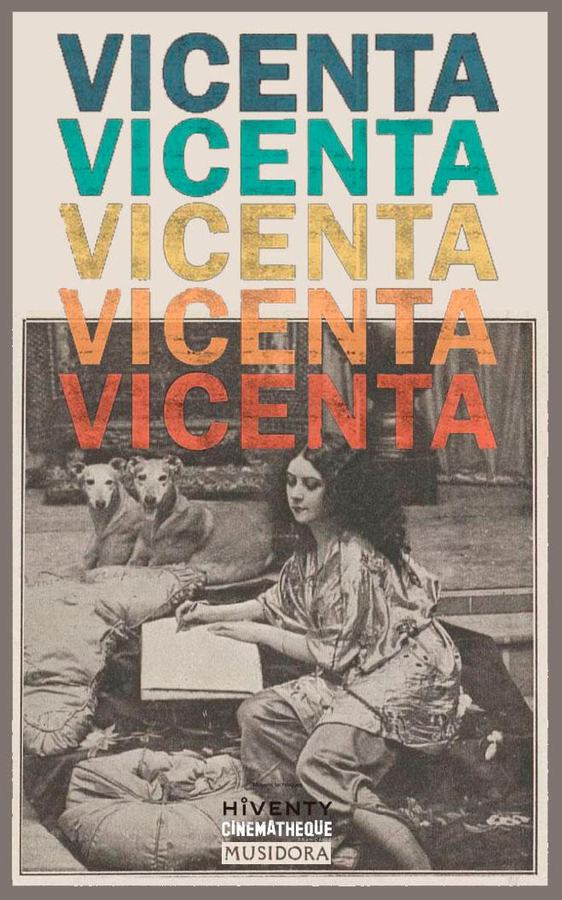
A definitive 6.2/10 rating for a film that redefined the boundaries of cult cinema. Vicenta remains a cornerstone of transgressive art.
Ah, the silent era! A time when emotions were writ large across the screen, conveyed through the balletic grace of actors, the dramatic sweep of cinematography, and the poignant brevity of intertitles. It was an era that gave birth to cinematic titans, but also to nuanced, unforgettable performances that, even a century later, resonate with an almost primal force. Among these, Musidora's ‘Vicenta’ stands as a remarkable testament to the power of unbridled passion, social critique, and the devastating consequences of betrayal. This isn't merely a film; it's a raw, pulsating slice of human drama, delivered with the kind of theatricality and emotional intensity that only the silent screen could truly capture.
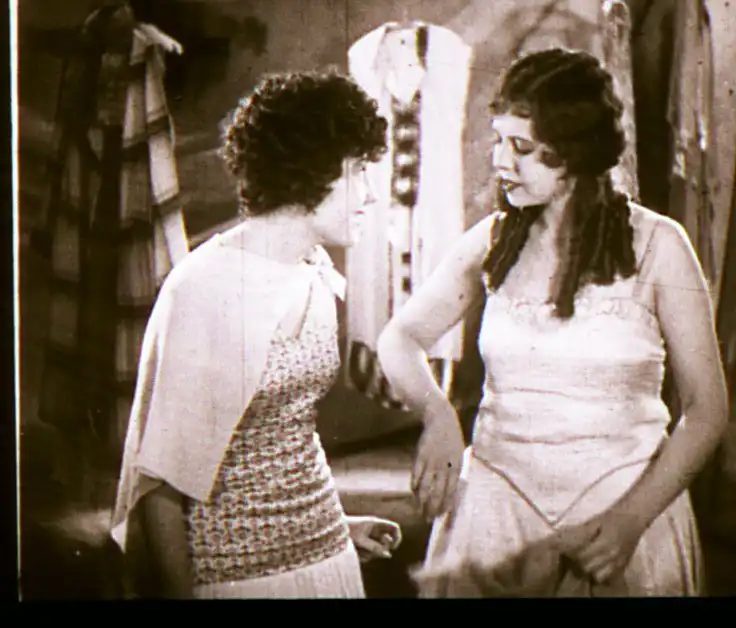
To speak of ‘Vicenta’ is to speak, first and foremost, of Musidora herself. Not only the star but also the guiding hand behind the narrative, Musidora embodies the very essence of the early 20th-century femme fatale, yet with a vulnerability that complicates and enriches the archetype. As Vicenta, she is not merely a victim of circumstance, but a woman whose emotional landscape is so vast and volatile that it ultimately reshapes her destiny and that of those around her. Her expressive eyes, the subtle quiver of her lips, the dramatic sweep of her gestures – every physical manifestation is a syllable in a tragic poem, telling a story of love, heartbreak, and defiant retribution that transcends the need for spoken dialogue. Her performance here is a masterclass in silent screen acting, a nuanced portrayal that goes beyond mere melodrama to touch upon the profound psychological torment of a woman scorned.
The narrative of ‘Vicenta’ is deceptively simple, yet it excavates profound truths about class, power, and the devastating cost of social ambition. Prince Romano, portrayed with a chilling blend of superficial charm and ruthless pragmatism by Marcel de Garcin, is the quintessential cad of the era. He is a man who views love not as an emotional bond but as a transactional commodity, a means to an end. His initial pursuit of Vicenta, a humble waitress, is born of fleeting desire and the thrill of the illicit, a dalliance easily discarded when a more advantageous match presents itself. This shift, from the passionate embrace of Vicenta to the calculated courtship of a wealthy American millionaire, is not just a plot point; it's a searing indictment of aristocratic privilege and moral bankruptcy. The film posits that in certain echelons of society, human connection is secondary to financial expediency, a brutal reality that Vicenta is forced to confront with agonizing clarity.
The societal chasm between Vicenta and Romano is not merely economic; it is a gulf of understanding, expectation, and consequence. For Vicenta, love is everything; for Romano, it is a trifle. This fundamental disparity sets the stage for the inevitable tragedy. When Romano announces his betrothal to the millionaire, it is not just a betrayal of Vicenta's heart but a public humiliation designed to erase her very existence from his carefully curated life. The party, ostensibly a celebration of his future, becomes the crucible of Vicenta's despair and defiance. Her decision to crash this opulent affair, to expose Romano's duplicity before his elite peers, is an act of breathtaking courage and desperation. It is a moment that echoes the social commentary found in films like By Right of Purchase, where the intricate dance of social standing and marital arrangements often dictated personal happiness, or the lack thereof.
Into this maelstrom of deceit and despair steps Morénito, a character whose presence, though often understated, is utterly pivotal. Portrayed by Guiraud-Rivière, Morénito is the silent observer, the steadfast admirer whose love for Vicenta is pure, unblemished by the societal machinations that plague Romano. He represents an antithesis to the Prince – a true heart overshadowed by the glittering, false allure of power and status. His intervention, the ultimate act of protection that culminates in Romano's death, is not merely a plot device; it is the tragic denouement of a love triangle where unrequited devotion clashes violently with callous indifference. Morénito's act is a desperate attempt to restore a semblance of justice, to silence the oppressor and protect the one he loves, even if it means crossing an unforgivable line. It’s a stark reminder that even in the most rigid social structures, human emotion, particularly love and fury, can erupt with catastrophic force, much like the dramatic climaxes seen in other intense dramas of the period.
As a writer and star, Musidora imbues ‘Vicenta’ with a distinct artistic sensibility that sets it apart. The film is a fascinating example of early French cinematic expression, showcasing a blend of theatricality and nascent filmic techniques. The use of close-ups to capture Vicenta's anguish, the dramatic staging of the party scene, and the careful composition of each frame all contribute to a visual language that is both effective and evocative. The film’s pacing, a common characteristic of silent features, builds tension incrementally, allowing the audience to fully absorb the emotional weight of each development. Unlike some of its contemporaries that might lean more heavily on slapstick or broad adventure, ‘Vicenta’ delves into the human psyche with a seriousness that foreshadows the psychological dramas to come. One might even draw a thematic, if not stylistic, parallel to the exploration of moral decay in something like Hamlet (1911), where human failings lead to inevitable, tragic ends.
The portrayal of female agency, or the lack thereof, is also a crucial thread woven throughout ‘Vicenta.’ While Vicenta is ultimately a victim of Romano's deceit, her decision to confront him publicly, to refuse to be silently cast aside, speaks to a burgeoning sense of defiance. This defiance, though it leads to tragedy, is a powerful statement in an era where women's roles were often rigidly defined. It's a precursor to the more overt assertions of independence seen in later films, providing a valuable historical snapshot of evolving gender dynamics on screen. Compared to films that might depict women as passive figures, Vicenta's active role in her own downfall and her ultimate, desperate act of confrontation mark her as a character of formidable will, even if tragically misguided.
In the absence of dialogue, every visual element in ‘Vicenta’ carries immense weight. The opulent settings of Romano's world stand in stark contrast to the humble inn where Vicenta toils, visually reinforcing the class divide that underpins the story. Costumes are not merely attire but extensions of character – Vicenta’s simple dress against the glittering gowns of the party guests speaks volumes without a single intertitle. Lighting, too, plays a crucial role, often casting shadows that mirror the characters' inner turmoil or highlighting the dramatic tension of a scene. The directorial choices, guided by Musidora's vision, ensure that the audience is never lost, even in the most emotionally complex sequences. The sheer artistry involved in conveying such a rich tapestry of human experience solely through visual cues is a testament to the ingenuity of silent filmmakers.
Consider the scene of Vicenta's public outcry. The camera captures her desperate plea, her face contorted with anguish and righteous fury, while the reactions of the stunned guests provide a chorus of silent judgment and discomfort. This sequence is particularly effective, building to a crescendo of emotional intensity that culminates in Morénito's violent act. It’s a masterclass in staging and performance, reminiscent of the dramatic confrontations in other powerful silent narratives, where the stakes felt incredibly high due to the visceral nature of the performances. The film doesn't shy away from the brutality of its climax, delivering a shocking conclusion that leaves a lasting impression on the viewer, much like the intense dramatic shifts in films such as The Wild Strain, where human passions often lead to irreversible consequences.
Over a century since its creation, ‘Vicenta’ remains a compelling watch, not just for its historical significance but for its enduring thematic relevance. The timeless struggles of love, betrayal, social inequality, and the pursuit of justice continue to resonate with audiences. Musidora's film, though a product of its time, speaks to universal human experiences, reminding us that the fundamental dramas of the heart transcend technological advancements in filmmaking. It serves as a vital artifact, showcasing the early cinematic prowess of French artists and the powerful impact of a
IMDb —
1925
Community
Log in to comment.