DbcultAccessing Vault...
Cult Review
Senior Film Conservator
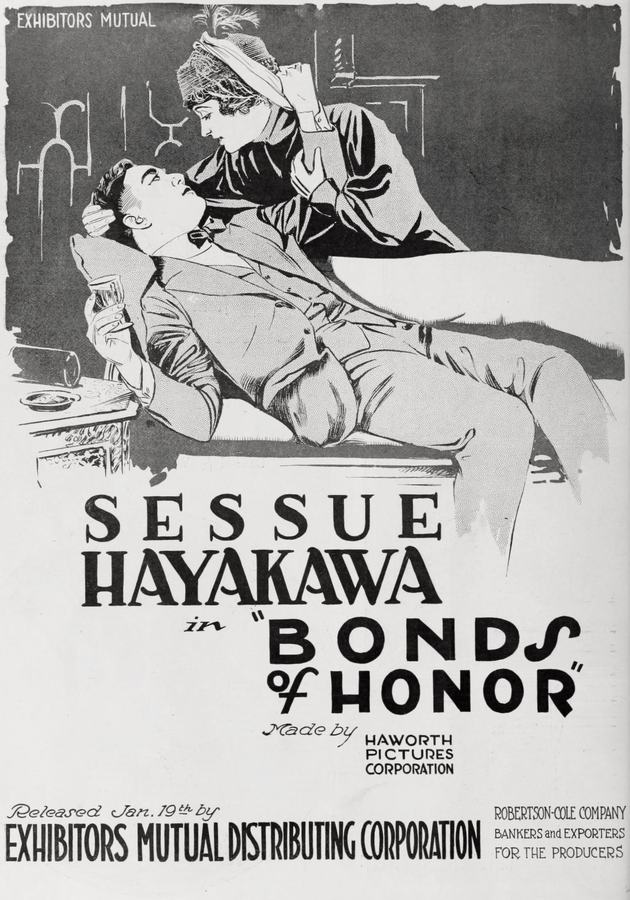
In the annals of silent cinema, certain films emerge not merely as historical artifacts but as vibrant, pulsating narratives that transcend their era, speaking to timeless human dilemmas. Bonds of Honor, a 1919 masterpiece starring the incomparable Sessue Hayakawa, is precisely one such cinematic gem. It's a film that plunges headfirst into the profound depths of morality, identity, and the unbreakable yet fragile threads of familial loyalty, all set against the grim backdrop of the Great War. This isn't just a story; it's a meticulously crafted psychological drama, an exploration of what it means to uphold an ideal when everything conspires to shatter it.
At its core, Bonds of Honor weaves a narrative so compelling it could easily be mistaken for a Greek tragedy. We are introduced to twin brothers, Sasamoto and Yamashito, both portrayed with remarkable nuance by Hayakawa. Their destinies, initially intertwined by blood, diverge dramatically under the crushing weight of circumstance and character. Sasamoto, succumbing to the insidious grip of gambling debts, commits an unforgivable act of treason during the Great War. This isn't a petty crime; it's a betrayal of the highest order, an act that stains not only his own soul but also the venerable name of his family and, by extension, his nation. The film doesn't shy away from depicting the devastating ripple effects of such a transgression, painting a stark picture of moral decay and its far-reaching consequences.
Yamashito, his identical twin, stands in stark contrast. He embodies an unwavering adherence to a strict code of honor, a virtue that defines his very existence. Upon learning of his brother's perfidy, he is faced with an agonizing choice: allow the family name to be dragged through the mud, or take drastic, unprecedented action. His decision to assume Sasamoto's identity is not born of a desire for vengeance, but from a profound, almost spiritual need to restore equilibrium, to cleanse the stain of dishonor. This act of identity appropriation is not a simple plot device; it's a profound statement on the burdens of lineage and the lengths to which one might go to preserve an abstract ideal. Yamashito's journey becomes a relentless, emotionally charged pursuit, a quest for justice that is simultaneously personal and symbolic. The film masterfully illustrates the internal turmoil of a man forced to become the very image of his brother's disgrace, all while harboring a righteous purpose.
The very essence of Bonds of Honor lies in its daring exploration of duality – not just between two brothers, but within the concept of honor itself: its cost, its preservation, and its elusive nature in a world scarred by conflict and human fallibility. It challenges viewers to ponder the true meaning of loyalty when pitted against the grim realities of survival and personal failing.
Sessue Hayakawa's performance as both Sasamoto and Yamashito is nothing short of a tour de force. In an era where acting often leaned towards the melodramatic, Hayakawa brought a nuanced intensity that set him apart. He imbues Sasamoto with a desperate, almost tragic weakness, a man consumed by his vices, yet perhaps not entirely devoid of humanity. Conversely, his Yamashito is a pillar of stoicism and grim determination, his internal struggle palpable even without spoken dialogue. The subtle shifts in posture, facial expression, and gaze are testament to his skill, allowing the audience to differentiate between the brothers despite their identical appearance. This dual role is a masterclass in silent film acting, showcasing Hayakawa's exceptional range and charisma. He doesn't just play two characters; he embodies two opposing philosophies of life, making their conflict deeply resonant.
His ability to convey such complex emotions without words is particularly striking. The burden of Yamashito's masquerade, the quiet anguish of having to mimic his brother's dishonor, is communicated through a series of subtle gestures and intense stares that speak volumes. This profound exploration of a character grappling with a usurped identity and a quest for moral rectification finds a compelling parallel in the thematic undercurrents of films like The Life Mask, where the boundaries of self and deception are similarly blurred to drive the narrative's tension. Hayakawa's portrayal is a testament to the power of non-verbal storytelling, proving that true acting transcends linguistic barriers. The supporting cast, including Toyo Fujita, Tsuru Aoki, Dagmar Godowsky, Marin Sais, and Herschel Mayall, provide solid foundations for Hayakawa's central performance, each contributing to the film's rich texture, even if their roles are more archetypal for the period.
Directed by Reginald Barker and written by Frances Guihan and Clara Whipple, Bonds of Honor demonstrates a sophisticated understanding of visual storytelling. The cinematography, while constrained by the technology of the early 20th century, is effective in establishing mood and advancing the plot. The use of dramatic lighting, carefully composed frames, and well-placed intertitles guide the audience through the intricate narrative without ever feeling clunky. The film utilizes its silent medium to its advantage, allowing the heightened expressions and grand gestures to convey the emotional weight that dialogue would later carry. The pace is deliberate, building tension gradually, drawing the viewer deeper into Yamashito's perilous mission.
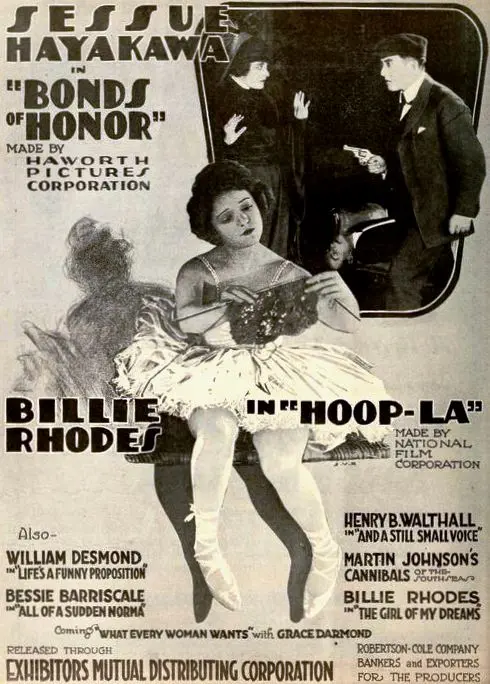
The setting of the Great War serves as more than just a backdrop; it’s an active participant in the story. It magnifies the stakes of Sasamoto’s treason, transforming a personal failing into a national crisis. The visual language of the film, even if not explicitly showing battlefields, subtly conveys the pervasive anxiety and moral compromises inherent in wartime. This contextual richness is crucial, elevating the personal drama to something with broader societal implications. The film's aesthetic choices, from costume design to set pieces, effectively transport the audience to the period, grounding the fantastical premise of twin identity in a believable, if heightened, reality.
Beyond its captivating plot and stellar performances, Bonds of Honor delves into universal themes that continue to resonate today. The concept of honor, particularly within a Japanese cultural context as interpreted by Western filmmakers of the era, is explored with remarkable depth. It’s not simply about avoiding shame; it's about an intrinsic moral compass, a duty to family, community, and nation that transcends individual desires. Yamashito's sacrifice is a powerful testament to this ideal, portraying honor not as an abstract notion but as a tangible force driving human action.
The film also grapples with the fluid nature of identity. What defines us? Is it our name, our appearance, our actions, or our intentions? Yamashito's assumption of his brother's identity forces him, and by extension the audience, to confront these existential questions. He walks a precarious tightrope, constantly aware of the deception, yet driven by a higher purpose. This thematic richness places Bonds of Honor in a lineage of compelling dramas that explore the intricacies of selfhood and the masks we wear, voluntarily or involuntarily. The moral quandaries presented, particularly the tension between personal failing and societal expectation, find parallels in the incisive social commentaries often seen in features like A Little Brother of the Rich, albeit through different narrative lenses, both critiquing the corrupting influences of society.
Furthermore, the film subtly touches upon the psychological toll of betrayal and the arduous road to redemption. Sasamoto's character, despite his villainy, hints at the possibility of internal conflict, a man perhaps trapped by his own weaknesses. Yamashito's quest is not just punitive; it carries an underlying hope for his brother's awakening, a silent plea for the restoration of a lost soul. This layer of complexity elevates the film beyond a simple good-versus-evil narrative, inviting deeper contemplation on forgiveness and the enduring power of fraternal bonds, even when severely strained.
In an era dominated by rapid technological advancements in cinema, it is easy to overlook the profound artistry of silent films. Yet, Bonds of Honor stands as a powerful reminder of their enduring legacy. It showcases how compelling narratives, profound emotional depth, and stellar performances could captivate audiences without a single spoken word. It's a testament to the universal language of human experience, articulated through gesture, expression, and visual metaphor.
For modern viewers, watching Bonds of Honor offers a unique opportunity to connect with a pivotal moment in cinematic history. It provides insight into the storytelling conventions and societal values of the early 20th century, while simultaneously presenting themes that remain startlingly relevant. The film's exploration of personal sacrifice in the pursuit of a greater good, much like the intense personal struggle and pursuit of a higher ideal found in Martin Eden, resonates across generations. It reminds us that fundamental human struggles – for integrity, for family, for identity – are immutable, regardless of the technological advancements that shape our storytelling.
In conclusion, Bonds of Honor is far more than just a historical curiosity; it is a vibrant, emotionally charged drama that speaks volumes about the human condition. It’s a compelling argument for the power of silent film as a sophisticated art form, and a showcase for the extraordinary talent of Sessue Hayakawa. If you have an appreciation for cinema that challenges, moves, and provokes thought, then seeking out this powerful exploration of duty, deceit, and redemption is an absolute imperative. Its echoes of profound human dilemmas, of the choices made under duress, and of the enduring quest for meaning, make it a truly timeless piece of cinematic artistry. The film asks us to consider what we would sacrifice for honor, and in doing so, leaves an indelible mark on the viewer's consciousness.
IMDb —
1931
Community
Log in to comment.