DbcultAccessing Vault...
Cult Review
Senior Film Conservator
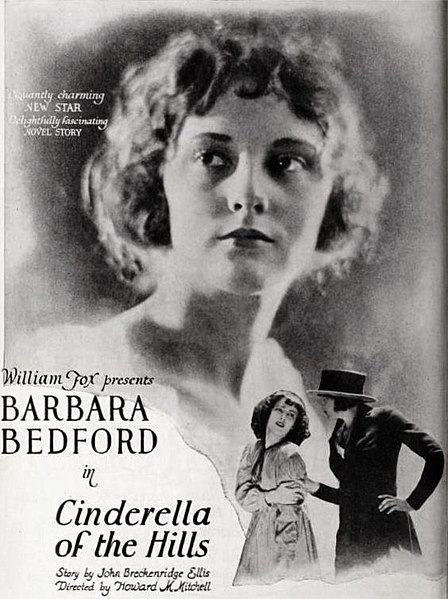
Cinderella of the Hills: A Cinematic Tapestry of Identity and Redemption
Directed by an unsung pioneer of early cinema, this 1923 drama weaves a complex narrative of familial discord and personal transformation that resonates with startling modernity.
The film opens with a stark contrast between the sun-scorched Texan plains and the claustrophobic interiors of the Gradley household. Norris (Barbara La Marr), caught in the crossfire of her father's failed marriage, embodies the silent film's tragic heroine archetype with a startling contemporary edge. Unlike conventional Cinderella figures, she doesn't wait for salvation but actively constructs her survival strategy through gender subversion. Her transformation into 'Norris the violinist' is less a disguise and more a revelation of her multifaceted selfhood.
This dual existence forms the film's most compelling tension. The interplay between her daytime persona as the mistreated daughter and her nocturnal identity as a sought-after musician creates a dialectic about societal roles. The cinematography—particularly the stark chiaroscuro in her nighttime scenes—visually reinforces this duality. When she plays the violin, the camera lingers on her hands, the bow's motion becoming a language of its own.
Clarence Wilson's portrayal of Giles Gradley is a masterclass in restrained villainy. His gradual unraveling as the oil drilling operations mirror his moral decay is subtly rendered through tight close-ups that capture the micro-expressions of a man losing control. Barbara Bedford's malicious stepmother, though typical of the villainess archetype, gains psychological depth through her calculated manipulation of Giles's insecurities.
The central romance between Norris and Carl Miller's Claude Wolcott unfolds with refreshing subtlety. Their connection, built on mutual respect for each other's resilience rather than physical attraction, feels authentically progressive for its era. The film's most iconic scene—the dance sequence where Norris, disguised as a boy, plays for the very people who mistreat her—captures the bittersweet paradox of her existence. The music swells as the camera circles the dance floor, the chandelier's light flickering like a heartbeat.
The narrative's turning point—the tragic death of Mrs. Gradley—is both a technical and thematic triumph. The editing during her fatal plunge into the abyss is reminiscent of later Hitchcockian suspense techniques, using slow motion and extreme close-ups to maximize emotional impact. Yet this sequence transcends mere spectacle; it serves as a scathing commentary on the destructive power of vanity and resentment.
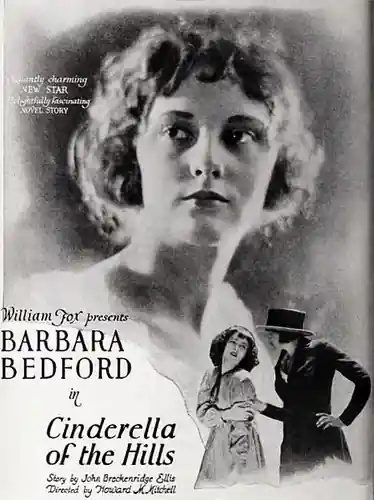
Comparisons to Barbara La Marr's other roles (as seen in Her Kingdom of Dreams) reveal her remarkable range. Here, she moves beyond the typical flapper archetype to portray a character of quiet complexity. Her physicality in the disguise scenes is particularly noteworthy—the subtle shifts in posture and expression that distinguish the boy from the woman.
The film's visual storytelling deserves special mention. The oil rigs, looming like modernist monoliths against the desert sky, serve as both literal and metaphorical backdrops for the characters' ambitions and moral compromises. The use of reflection in mirrors and windows becomes a recurring motif, particularly in Norris's scenes where her dual identity is most palpable.
While some early reviewers dismissed the film as formulaic, modern reappraisal reveals its nuanced critique of gender roles and class struggle. The screenplay by J. Breckenridge Ellis and Dorothy Yost avoids the didacticism common in silent films, opting instead for a more organic exploration of its themes. The dialogue scenes, though minimal (being a silent film), are expertly performed, with the actors relying on expressive physicality to convey complex emotions.
Technically, the film represents a significant achievement. The drilling sequences display impressive technical skill for the era, with miniature models and practical effects that maintain a sense of realism. The sound design (in later re-releases) would add another layer to the film's auditory richness, particularly in the violin music that punctuates key emotional moments.
In placing this film within the context of 1920s cinema, it finds common ground with 45 Minutes from Broadway in its exploration of urban aspirations clashing with rural realities. However, Cinderella of the Hills distinguishes itself through its unflinching look at domestic abuse and its subversive take on gender performativity.
The film's conclusion—Norris reuniting her parents and marrying Claude—is not the simplistic happy ending one might expect. Instead, it's a carefully constructed resolution that acknowledges the costs of her journey. The final scene, with Norris playing her violin under the stars, leaves lingering questions about identity and authenticity that resonate surprisingly strongly with modern audiences.
In conclusion, this often-overlooked film stands as a remarkable achievement in silent-era storytelling. Its exploration of gender fluidity, familial dysfunction, and personal resilience anticipates many themes that would dominate cinema decades later. For scholars of film history and enthusiasts of early cinema, Cinderella of the Hills offers a rich tapestry of narrative innovation and emotional complexity.
IMDb 6
1923
Community
Log in to comment.