DbcultAccessing Vault...
6.9/10
Senior Film Conservator
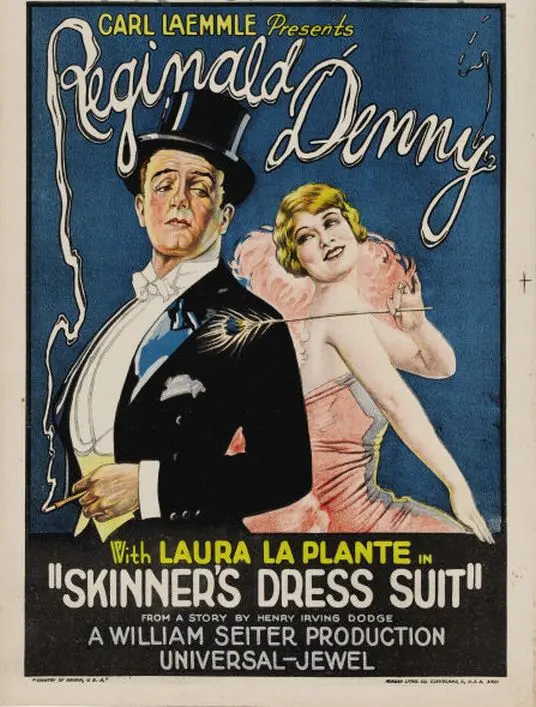
A definitive 6.9/10 rating for a film that redefined the boundaries of cult cinema. Skinner's Dress Suit remains a cornerstone of transgressive art.
Should you invest your time in this 1926 silent relic? Short answer: yes, if you appreciate social satire that feels uncomfortably relevant in the age of Instagram filters.
This film is for anyone who has ever felt the pressure to live beyond their means to impress people they don't even like. It is definitely not for those who require high-octane slapstick or modern pacing to stay engaged.
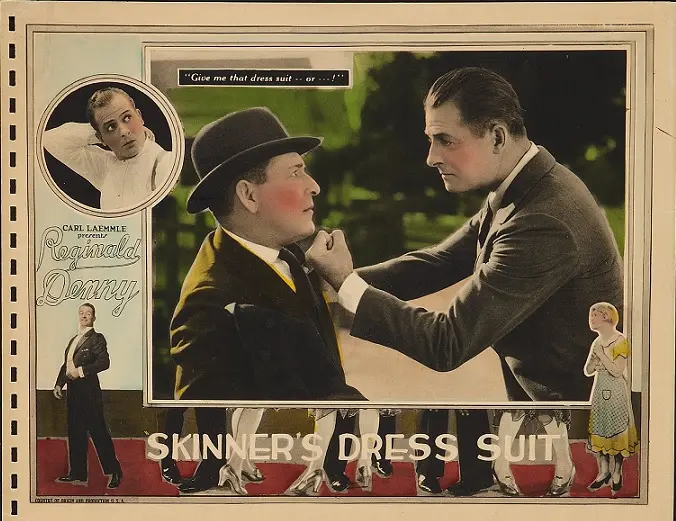
This film works because it taps into a universal human insecurity: the fear of being exposed as a fraud. Reginald Denny’s performance is a masterclass in escalating panic hidden behind a stiff collar.
This film fails because the character of Honey can occasionally feel like a caricature of feminine greed, though Laura La Plante brings enough charm to keep the audience from outright hating her.
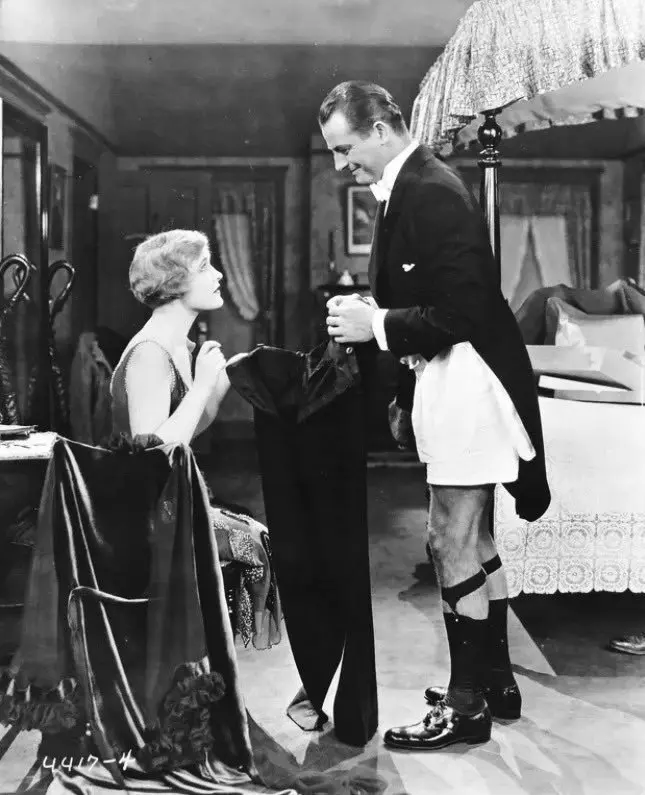
You should watch it if you want to see one of the earliest and most effective cinematic critiques of consumerist culture, or if you simply want to see the legendary 'Savannah Stomp' dance sequence.
Yes, Skinner's Dress Suit remains a vital piece of silent cinema because its themes have only aged into greater relevance. While many films from 1926 feel like museum pieces, this one feels like a mirror. It captures the exact moment when the American Dream shifted from hard work to the appearance of success. If you can handle the absence of spoken dialogue, you will find a story that is more sophisticated than many modern sitcoms.
Reginald Denny was often the 'everyman' of the 1920s, but in Skinner's Dress Suit, he pushes that persona to its breaking point. There is a specific scene in the first act where he stands before his boss, played by E.J. Ratcliffe, intending to demand a raise. Watch his posture. He starts with a rehearsed bravado that slowly wilts as the boss ignores him. It is a painfully relatable moment of corporate invisibility.
When he returns home, he is a broken man, but his wife’s joy at his 'success' prevents him from speaking the truth. This is where the film shifts from a simple comedy into something more psychologically taxing. Unlike the broad physical comedy of Mighty Like a Moose, the humor here is rooted in the social consequences of a lie. Every time Skinner puts on that suit, he is putting on a mask. It is exhausting to watch, and that is exactly the point.
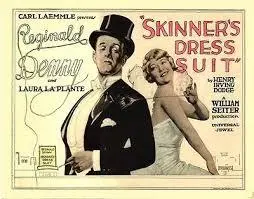
The suit itself is a character. It is perfectly tailored, sharp, and intimidating. It grants him access to parties and influential friends, including appearances by a young Janet Gaynor and the formidable Hedda Hopper. But the suit is also a noose. As the bills pile up, the fabric seems to tighten around his neck. The film understands that luxury is often a trap. It works. But it’s flawed in its resolution, which feels a bit too convenient for the cynical setup it builds.
Laura La Plante is often dismissed as just a 'pretty face' of the silent era, but her work here is nuanced. She isn't just a spendthrift wife; she is a woman who believes in her husband more than he believes in himself. Her social ambition is fueled by a genuine belief that Skinner belongs at the top. This creates a fascinating dynamic where the 'villain' of the piece is actually the couple's mutual devotion.
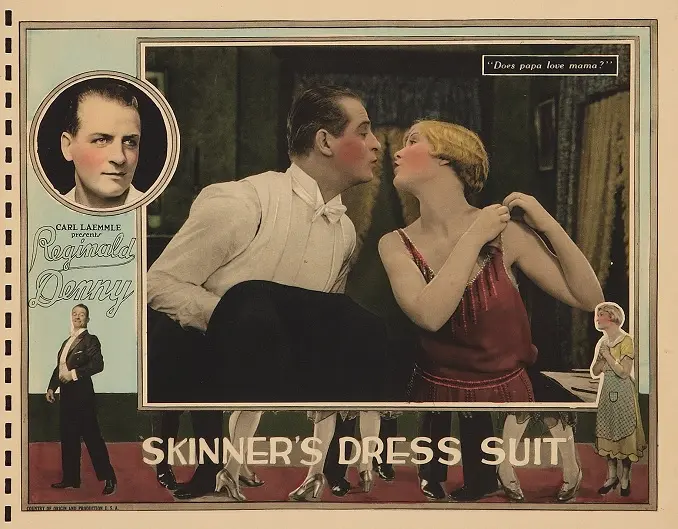
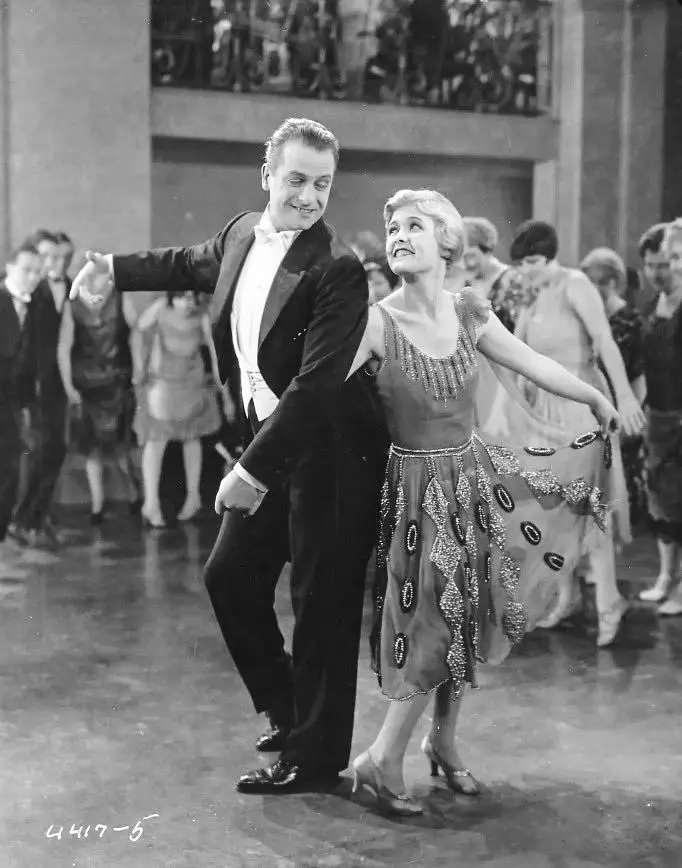
Compare her performance here to the more traditional roles in films like Frou Frou. La Plante isn't playing a tragic martyr; she’s playing a social engineer. When she insists they learn the 'Savannah Stomp,' she isn't just looking for a hobby. She is looking for a weapon to use in the social arena. The dance scene itself is the film's peak. It is energetic, slightly ridiculous, and perfectly captures the frantic spirit of the Roaring Twenties.
Director William A. Seiter had a light touch, which was necessary for a story that could have easily become a depressing drama. The pacing is brisk, particularly in the middle section where the Skinners are juggling multiple social invitations while dodging creditors. The cinematography doesn't draw attention to itself, but the framing of the Skinner household—slowly filling with expensive, unpaid-for furniture—is a great visual metaphor for their shrinking breathing room.
The use of title cards is surprisingly minimal for a film of this length. Seiter relies on the actors' faces to convey the weight of the debt. There is a moment when Skinner looks at a bill for a new hat while trying to smile at a guest. The twitch in Denny's cheek tells you everything you need to know about his bank balance. This is visual storytelling at its most efficient, far superior to the heavy-handedness found in The Mystery of No. 47.
One cannot discuss this film without mentioning the dance. In 1926, the 'Savannah Stomp' became a minor craze because of this movie. It represents the liberation of the era, but in the context of the plot, it's also a distraction from impending ruin. It’s a debatable opinion, but I would argue that Skinner's Dress Suit is actually a horror movie disguised as a comedy. The 'horror' is the loss of status, which in 1920s America was a fate worse than death.
The film also serves as a fascinating time capsule. We see the transition of the middle class from a frugal group to a speculative one. This theme is explored with less humor in The House of Toys, but Seiter’s version is more effective because it makes us laugh at the absurdity before it hits us with the reality of the situation.
Skinner's Dress Suit is a minor masterpiece of the silent era that deserves more recognition. It is a sharp, funny, and occasionally stressful look at the cost of ambition. While it lacks the iconic stunts of a Buster Keaton film, it replaces them with a biting wit and a deep understanding of human frailty. It is a film that understands that sometimes, the most dangerous thing a man can own is a really nice suit. It’s flawed, yes, but its heart—and its humor—are in exactly the right place. Go watch it for the dance, but stay for the devastatingly accurate portrayal of social anxiety.

IMDb 6.1
1935
Community
Log in to comment.