DbcultAccessing Vault...
Cult Review
Senior Film Conservator
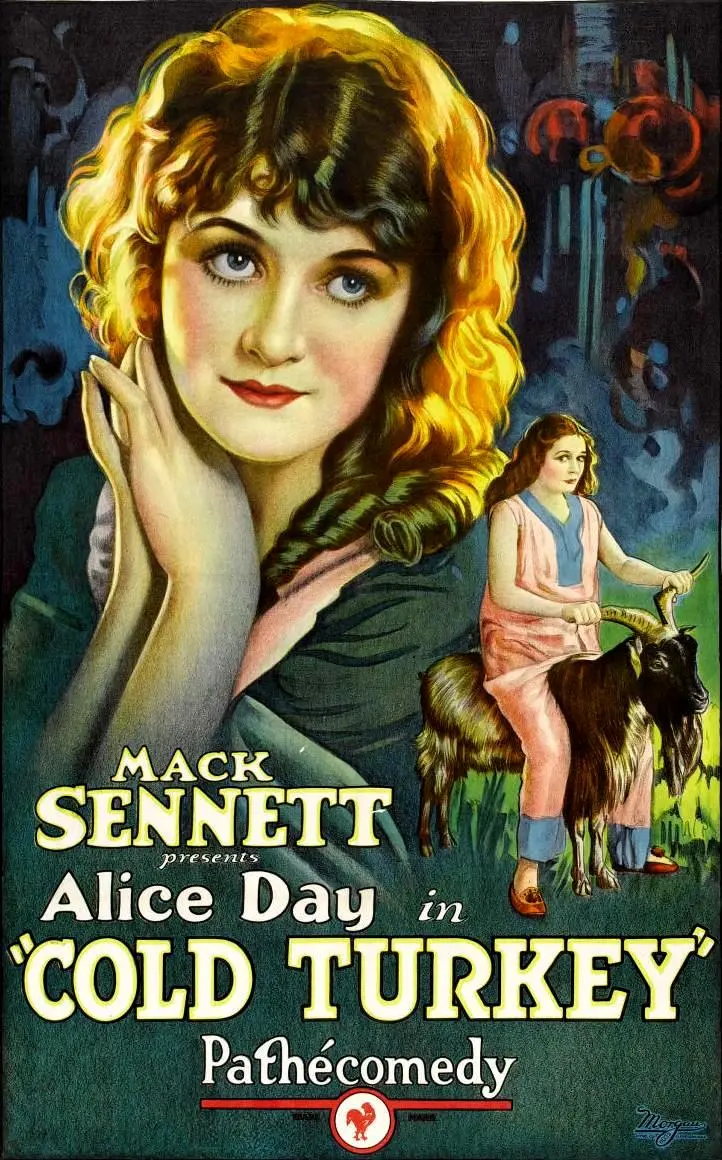
Is Cold Turkey (1925) worth watching today? Short answer: yes, but with a significant caveat. This silent era farce offers a fascinating glimpse into the foundations of American comedy, yet it demands a certain appreciation for its specific brand of humor, one rooted firmly in the physical and the absurd.
It is unequivocally for fans of early cinema, slapstick aficionados, and those curious about the formative years of talents like Frank Capra and Mack Sennett. It is emphatically not for viewers seeking modern comedic sensibilities, intricate character development, or a slow, contemplative narrative. This film is a rapid-fire assault of gags, designed to elicit immediate, visceral laughter, and it cares little for subtlety.
This film works because it commits wholeheartedly to its chaotic premise, delivering a relentless barrage of physical gags with impressive timing for its era, showcasing the raw energy of early Hollywood.
This film fails because its resolution, while comedic, feels a touch too convenient and abrupt, almost deflating the carefully constructed tension, and some of the humor relies on tropes that have aged unevenly.
You should watch it if you appreciate the historical significance of silent comedy and enjoy the sheer, unbridled energy of early Mack Sennett productions, particularly those that revel in domestic pandemonium.
Silent comedy, particularly the brand championed by Mack Sennett, often gets a bad rap in contemporary discussions. Many assume it’s simplistic, broad, or merely a historical curiosity. Yet, Cold Turkey serves as a potent reminder that the best silent farces were meticulously choreographed ballets of physical absurdity, demanding incredible skill from their performers and precise timing from their directors.
The film leans heavily on visual gags, exaggerated expressions, and the universal language of physical comedy. There’s no witty dialogue to dissect, no nuanced character arcs to follow. Instead, we’re treated to a masterclass in escalating pandemonium. The humor is direct, often crude, but undeniably effective for its time, and surprisingly, still capable of raising a chuckle today if approached with an open mind.
It’s a style that prioritizes immediate impact over lingering introspection. The roughneck brothers, embodied by Pat Harmon and William McCall, are perfect examples of this. Their very presence signals impending chaos, and their physical antics — tumbles, accidental spills, and boisterous interjections — are the engine of much of the film’s early laughs. This isn't comedy for the cerebral; it's comedy for the gut.
Indeed, one could argue that silent comedy is often unfairly dismissed as simplistic. Cold Turkey, while not a profound cinematic statement, proves that sophisticated comedic timing and spatial awareness were crucial to its success. Every pratfall, every wild gesture, is part of a larger, well-oiled machine of escalating gags.
The plot of Cold Turkey is deceptively simple, yet it spirals into complexity with a speed that would make many modern comedies blush. What starts as a seemingly innocent celebratory dinner for a newlywed couple quickly becomes a battleground of spilled alcohol, misplaced animals, and marital suspicion. The pacing is relentless, a hallmark of Sennett’s productions, where one gag barely finishes before another begins.
The sequence involving the accidental alcohol spill into the soup sets the stage, loosening inhibitions and heightening reactions. But it’s the parrot, brought by the bride’s mother (Sunshine Hart), that truly ignites the fuse. When this feathered instigator inadvertently finds its way inside the cooked turkey, causing the bird to seemingly “trot about” the table, the film reaches its peak of chaotic brilliance. It’s a moment of pure, unadulterated absurdity, executed with such conviction that it transcends its simple premise.
This escalating absurdity is key. The film doesn't slowly build; it explodes. The husband's (Raymond McKee) growing suspicion of his wife (Alice Day) and her employer feels almost secondary to the sheer physical mayhem unfolding around them. The domestic setting, usually a place of comfort, becomes a stage for relentless slapstick. It works. But it’s flawed.
One could even make the case that the parrot, not any human character, is the true star and driving force of the film’s most memorable moments. It is the external, uncontrollable element that shatters the fragile peace, leading to all the subsequent tumbles, scrambles, and misunderstandings. This unconventional observation highlights how Sennett often used props and animals as integral, unpredictable comedic agents.
In silent cinema, acting is a different beast. Without dialogue, performers must rely entirely on their physicality, facial expressions, and body language to convey emotion, intent, and comedic timing. The cast of Cold Turkey, while not household names today, demonstrate a clear understanding of this art form, committing fully to the broad strokes required for farce.
Raymond McKee, as the beleaguered husband, effectively transitions from adoring newlywed to suspicious spouse, his exaggerated frowns and bewildered expressions telling the story of his inner turmoil. Alice Day, as the innocent wife, portrays a charming blend of sweetness and frantic exasperation, her wide eyes and quick movements conveying her shock and confusion amidst the unfolding chaos. Their chemistry, while not deeply explored, is sufficient to anchor the domestic premise.
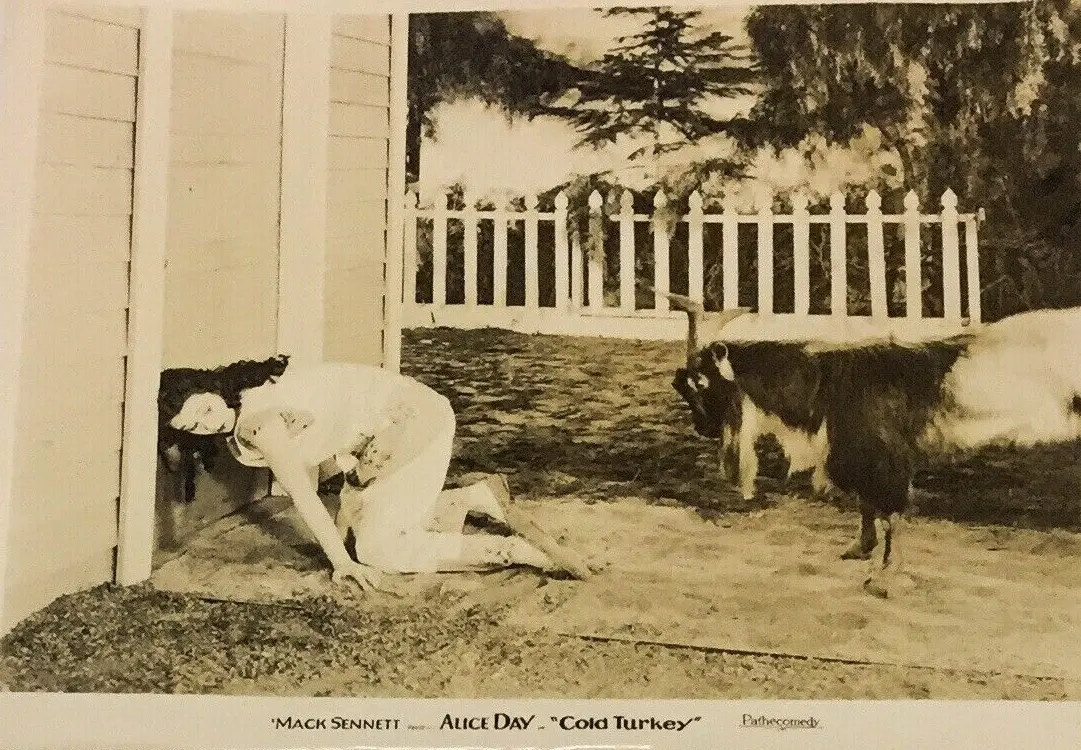
The supporting cast truly shines in their comedic roles. Pat Harmon, as one of the roughneck brothers, embodies the boisterous, unrefined energy that constantly threatens to derail the dinner. His physical presence alone is a source of humor, contrasting sharply with the more 'civilized' aspirations of the young couple. Sunshine Hart, as the mother, brings her own brand of doting, slightly oblivious charm, further complicating matters with her well-meaning but ill-timed interventions.
These performances, while not delivering the subtle character work of a dramatic piece like The Third Degree, are perfectly calibrated for the demands of slapstick. They understand that every gesture must be amplified, every reaction writ large, to be legible to an audience accustomed to a purely visual narrative. Their commitment is what sells the absurdity.
Mack Sennett’s name is synonymous with early American comedy, particularly the rapid-fire, often anarchic style that defined Keystone Studios. Cold Turkey is a quintessential Sennett production, showcasing his signature blend of controlled chaos and relentless gag-driven narrative. His direction is less about intricate camera work and more about orchestrating a symphony of physical comedy.
The cinematography, while basic by today's standards, serves the comedic purpose admirably. Wide shots are frequently employed to capture the full scope of the physical gags, allowing the audience to see multiple characters react and interact within the chaotic space. Occasional close-ups punctuate moments of surprise or suspicion, highlighting the exaggerated facial expressions that were so crucial to silent acting.
It's also fascinating to note Frank Capra's writing credit here. While he would later become known for his more sentimental, socially conscious dramas, his early work with Sennett reveals a foundational understanding of comedic structure and character-driven conflict, even if that conflict is resolved through a flurry of slapstick. The setup for the marital misunderstanding, though simple, hints at Capra's future knack for weaving human dilemmas into his narratives.
The film's visual language is straightforward, focusing on clarity of action rather than artistic flourish. The camera is a witness to the mayhem, rarely drawing attention to itself. This directness ensures that the audience's focus remains squarely on the escalating gags, a technique that was incredibly effective for the vaudeville-trained audiences of the 1920s.
Yes, Cold Turkey (1925) is worth watching for specific audiences.
It offers a unique historical perspective on early American comedy.
Silent film enthusiasts will appreciate its energetic slapstick and the foundational work of Mack Sennett.
Those new to silent films might find its humor dated, but its technical execution for the era is impressive.
It serves as an excellent example of Mack Sennett's directorial prowess in choreographing comedic chaos.
The film is a relatively quick watch, making it accessible for a historical dive without a huge time commitment.
Its blend of domestic farce and physical comedy provides valuable insight into the entertainment values of the 1920s.
Cold Turkey (1925) is more than a historical curio; it's a vibrant, if imperfect, testament to the power of pure physical comedy. It captures a specific moment in cinematic history when the rules of storytelling were still being written, and laughter was often found in the most outlandish and improbable scenarios. While its resolution might feel a touch too neat for the chaos that precedes it, the journey there is a whirlwind of inventive gags and committed performances.
This film might not resonate with every modern viewer, and its humor requires an adjustment to a different comedic rhythm. However, for those willing to embrace its unique charm, Cold Turkey offers a valuable and often hilarious window into the foundational principles of American slapstick. It’s a film that reminds us that sometimes, the simplest setups can lead to the most spectacular cinematic explosions. It's a watch that's certainly worth the effort for the right audience, showcasing the raw, untamed spirit of early Hollywood comedy.
IMDb —
1918
Community
Log in to comment.