DbcultAccessing Vault...
5.8/10
Senior Film Conservator
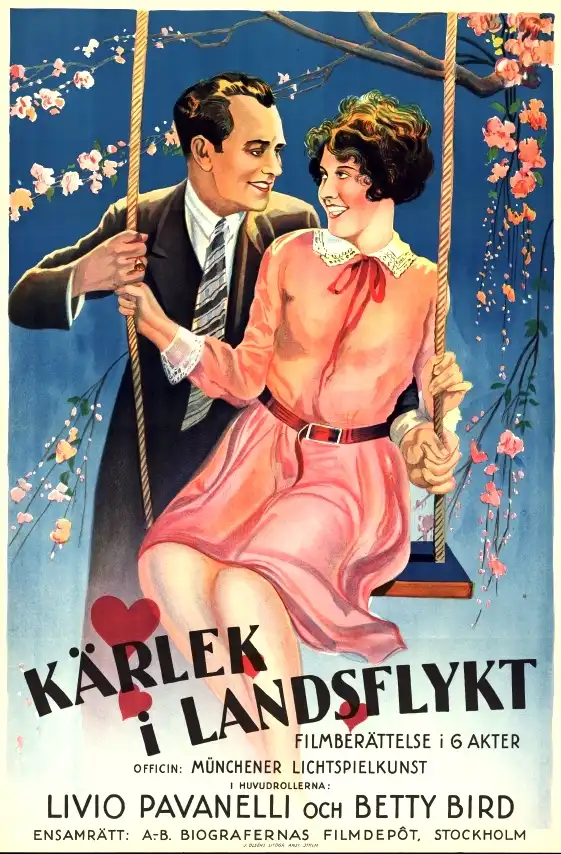
A definitive 5.8/10 rating for a film that redefined the boundaries of cult cinema. Corazones sin rumbo remains a cornerstone of transgressive art.
If you’re the kind of person who enjoys watching old film reels just to see how people used to hold their tea cups or how much makeup they could layer on a leading man’s face, you’ll find something to like in Corazones sin rumbo. But for anyone else? It’s a bit of a test of patience. It’s not a complete disaster, but it has that heavy, leaden feeling of a movie that knows it’s being 'dramatic' and wants to make sure you don't miss a single sigh.
It’s worth watching if you’re interested in the crossover between German expressionism and Spanish storytelling. You can see the UFA influence everywhere—those long, sharp shadows and the way the rooms feel slightly too big and cold. But if you’re looking for something with the energy of Laughing Gas, you are in the wrong place. This is a movie where people stand in doorways and look tortured for a very long time.
Hanna Ralph has this incredibly weary presence. There’s a scene early on where she’s just sitting at a vanity, and the way she looks at her own reflection isn't vain—it’s like she’s looking at a ghost. It’s a great bit of acting that doesn’t need the dialogue cards. Her eyes do all the heavy lifting. On the other hand, Iván Petrovich is… well, he’s there. He has this very stiff way of moving, like he’s terrified he’s going to knock over the set dressing. When he and Ralph are in the same frame, the energy just sort of bottoms out.
I noticed the background details more than the plot half the time. There’s a scene in a parlor where the wallpaper is so busy it’s actually distracting. You’re supposed to be focusing on the emotional weight of a secret being revealed, but I found myself wondering who decided that many floral patterns in one room was a good idea. It’s those little things that keep you awake when the pacing starts to sag, which it does, heavily, in the second act.
The editing is a bit of a mess in the middle. There’s a sequence involving a letter—because there is always a letter in these movies—where we cut back and forth between three different people reacting, and one of the shots is just a guy looking vaguely confused in a hallway. It feels like a mistake, or like they lost a piece of film and just plugged the gap with whatever they had left. It’s much less polished than something like The Knight of the Rose, which at least feels like it knows where it's going.
Imperio Argentina shows up, and she’s obviously the spark plug here. She’s young, and she has this natural lightness that the rest of the movie desperately needs. Whenever she’s off-screen, the film reverts to this gloomy, slow-motion crawl. There’s a moment where she’s laughing, and it feels like the only genuine thing in the entire seventy-odd minutes. The rest of it feels very 'performed.'
One thing that really stuck with me was the costume weirdness. Some of the outfits feel very contemporary for 1928, while others look like they were pulled out of a trunk from twenty years earlier. It gives the whole movie this disjointed, timeless feeling that I don't think was intentional. It makes the world of the film feel a bit artificial, like a stage play that accidentally wandered outdoors.
Does it work? Mostly no. It’s too slow, and the 'big' emotional climax feels like it happens about twenty minutes after you’ve already figured out the ending. It lacks the weird, frantic charm of Peck's Bad Girl or the genuine tension of better silent dramas. But the lighting is occasionally beautiful, and if you like looking at old European interiors and actors who know how to suffer beautifully for the camera, you might find it tolerable on a rainy Sunday afternoon.
IMDb 6.9
1926
Community
Log in to comment.