DbcultAccessing Vault...
6.1/10
Senior Film Conservator
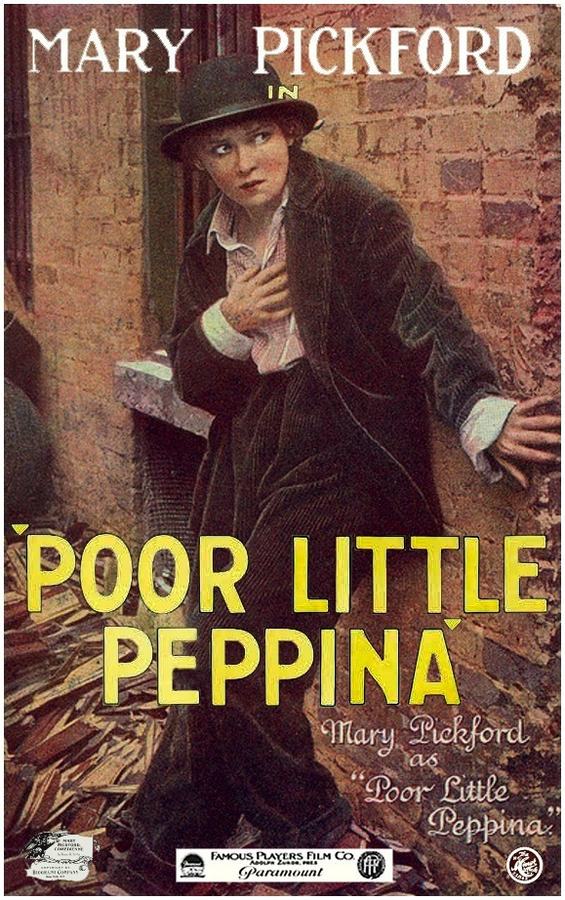
A definitive 6.1/10 rating for a film that redefined the boundaries of cult cinema. Poor Little Peppina remains a cornerstone of transgressive art.
Stepping back into the flickering shadows of early 20th-century cinema, one encounters a narrative tapestry as intricate and emotionally charged as any modern epic. Poor Little Peppina, a 1916 silent film, emerges not merely as a relic of a bygone era but as a potent testament to the enduring power of human resilience, particularly when embodied by a protagonist as spirited as its titular character. This is more than a simple melodrama; it's a sprawling saga of displacement, peril, and ultimately, an unwavering spirit that defies the most formidable of adversaries. Directed with a keen eye for dramatic tension and featuring the inimitable Mary Pickford in a role perfectly suited to her 'America's Sweetheart' persona, yet imbued with a surprising depth of grit, the film invites us to ponder the precariousness of fate and the unyielding strength found within the most vulnerable.
The narrative unfurls with a brutal act of vengeance that sets Peppina's life on its tumultuous course. Her father, a man inadvertently entangled in the intricate web of Mafia dealings, provides assistance that leads to the capture of a notorious mobster. The underworld, ever swift and merciless in its retribution, orchestrates the kidnapping of his young daughter. This isn't just a simple abduction; it's a meticulously planned act of psychological warfare, designed to inflict maximum pain. Peppina is not merely taken; she is effectively erased, presumed dead by her shattered family, her memory a haunting void. This initial tragedy, painted with broad strokes of grief and despair, immediately establishes the film's high emotional stakes. The audience is left to grapple with the profound injustice of her plight, a tiny innocent caught in the crossfire of adult machinations.
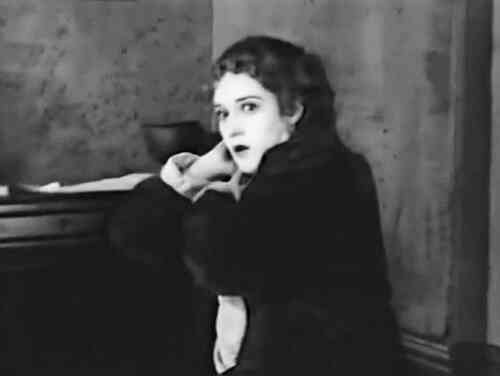
Instead of a watery grave or a hidden dungeon, Peppina is spirited away to the sun-drenched, yet culturally distant, landscapes of Italy. Here, a new life unfurls, one built on a foundation of kindness and familial warmth, courtesy of a benevolent couple who raise her as their own. The film masterfully navigates this period of her life, showcasing Peppina's growth from a bewildered child into a vibrant young woman, utterly immersed in her adopted culture. The contrast between her violent origins and her idyllic, albeit fabricated, upbringing is stark, highlighting the film's nuanced exploration of identity. She speaks Italian, embraces local customs, and forms deep bonds, all while remaining blissfully unaware of the dark currents that once ripped her from her true heritage. This segment of the film, while perhaps less action-packed, is crucial for establishing Peppina's character—her adaptability, her capacity for love, and the quiet strength that will later serve her so well.
The tranquil facade of Peppina's Italian life shatters with the looming threat of an arranged marriage. Betrothed to a cruel padrone, a man whose very presence embodies oppression and a future devoid of personal liberty, Peppina faces a new kind of captivity. This development deftly shifts the narrative from external threats to internal struggles, forcing Peppina to confront the limitations imposed upon her by societal norms and patriarchal power structures. The film, through Mary Pickford's expressive performance, conveys the young woman's burgeoning defiance. Her eyes, often wide with innocence, now flash with a nascent fire, signaling a refusal to passively accept a fate not of her choosing. This moment of awakening is pivotal, transforming Peppina from a victim of circumstance into an active agent of her own destiny.
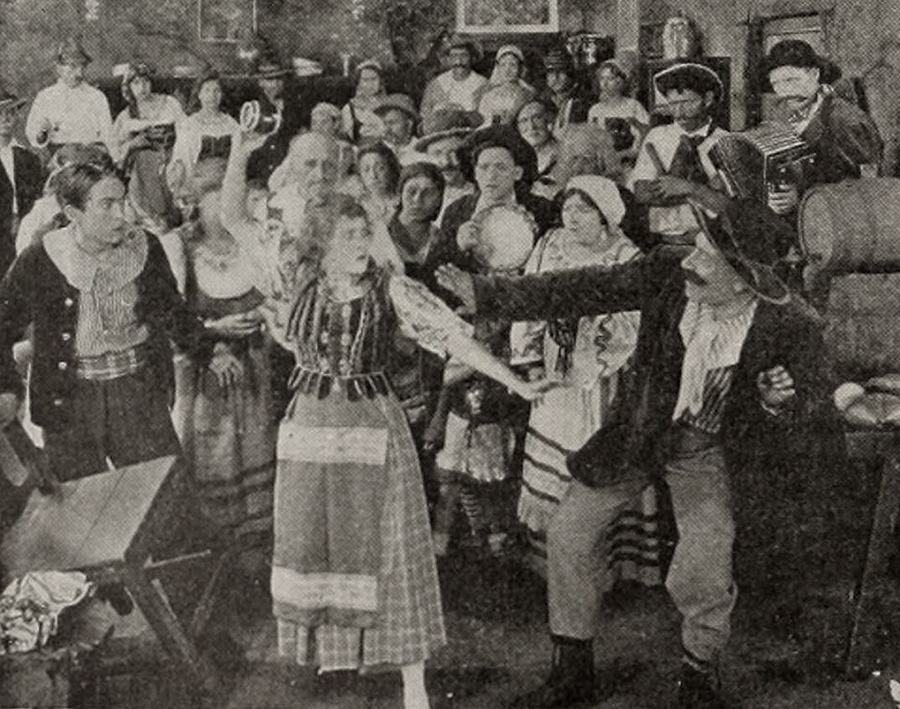
Her solution is as audacious as it is perilous: she disguises herself as a boy and stows away on a ship bound for America. This act of cross-dressing, a common trope in early cinema (and one that Mary Pickford, ever the innovator, often embraced, as seen in other films where she played male roles), serves multiple purposes. It allows her to escape the confines of her gender, granting her a temporary freedom and anonymity that would otherwise be impossible. It's a symbolic shedding of vulnerability, an embrace of a more assertive identity. The journey across the Atlantic is fraught with its own dangers, from the cramped, unsanitary conditions of the stowaway's hideout to the constant fear of discovery. Yet, Peppina's determination never wavers. This segment of the film is a masterclass in silent suspense, relying on visual cues and Pickford's nuanced expressions to convey the tension and desperation of her situation. It echoes the perilous journeys seen in films like The House of Tears, where characters are perpetually on the run, but here, the flight is also a quest for self-reclamation.
Upon reaching American shores, Peppina's ill-fated journey takes another cruel, yet ultimately redemptive, turn. By a chilling stroke of irony, she finds herself, once again, in the clutches of the very mobster who orchestrated her initial kidnapping. The narrative's cyclical structure here is both heartbreaking and exhilarating, bringing the story full circle but with a crucial difference: Peppina is no longer the helpless child. Years of survival, adaptation, and unwavering spirit have forged her into a formidable young woman. This confrontation is the film's dramatic apex, a tense face-off between past trauma and present resolve. The silence of the era amplifies the visual storytelling, allowing the audience to project their anxieties and hopes onto the powerful expressions of the actors, particularly Mary Pickford, who conveys a spectrum of emotions from fear to fierce determination.
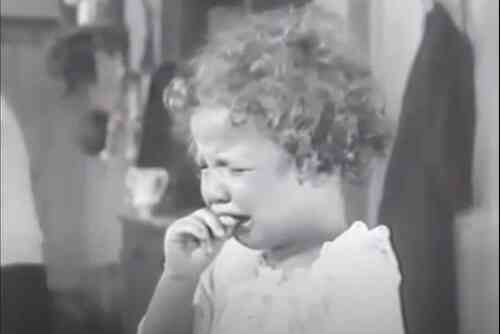
What truly elevates Poor Little Peppina beyond a mere tale of woe is the way in which Peppina, through a combination of sheer pluck and a timely stroke of luck, manages to turn the tables on her tormentor. This isn't a passive rescue; it's an active assertion of agency. The film doesn't rely solely on a dashing hero to save the day, though supporting characters do play their parts. Instead, it champions Peppina's own intelligence, bravery, and resourcefulness. The tables are not just turned; they are upended, delivering a satisfying, albeit hard-won, sense of justice. This narrative arc, where the vulnerable protagonist ultimately triumphs over overwhelming evil, provides a powerful and cathartic resolution, echoing the thematic strength found in other tales of overcoming adversity, such as In the Lion's Den, where characters must face down formidable threats with their own wits.
It is impossible to discuss Poor Little Peppina without acknowledging the incandescent presence of Mary Pickford. Her portrayal of Peppina is a masterclass in silent acting, a delicate balance of vulnerability and steely resolve. Pickford, often celebrated for her youthful exuberance and innocent charm, here delivers a performance that transcends mere 'sweetness.' She embodies the character's profound journey, from the terrified child to the spirited Italian girl, and finally, to the courageous young woman who reclaims her destiny. Her physical expressiveness, the subtle shifts in her gaze, and the eloquent gestures convey a richness of emotion that belies the absence of spoken dialogue. She makes Peppina's struggles palpable and her triumphs deeply resonant. Indeed, it is Pickford's ability to imbue Peppina with such authentic humanity that allows the audience to fully invest in her tumultuous odyssey. Her performance here, much like in her more overtly dramatic roles, showcases her versatility and the depth of her artistic capabilities.
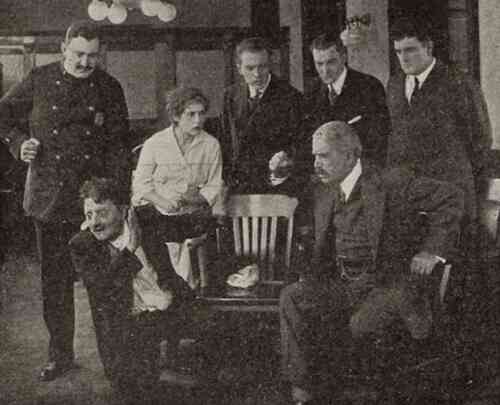
Beyond the thrilling plot, Poor Little Peppina delves into a rich tapestry of thematic concerns. The film thoughtfully explores the nature of identity, particularly how it is shaped by both heritage and environment. Peppina's dual existence—born American, raised Italian—raises questions about belonging and cultural assimilation. Her disguise as a boy further complicates this, touching upon early explorations of gender roles and the freedom found in transgressing them. The film also provides a fascinating, albeit sensationalized, glimpse into the early cinematic portrayal of the Mafia, depicting them as a shadowy, omnipresent threat that transcends national borders. While these depictions often bordered on caricature, they nevertheless reflected contemporary anxieties and societal perceptions.
Furthermore, the narrative subtly critiques the powerlessness of women in certain societal structures, particularly in the face of arranged marriages and patriarchal control. Peppina's refusal to marry the cruel padrone is a quiet act of rebellion, a demand for autonomy that resonates even today. The film, therefore, is not just an adventure story; it's a commentary on the burgeoning desire for personal freedom and self-determination, especially for female protagonists in a world that often sought to confine them. This resonates with other films of the era that began to challenge traditional female roles, such as The Woman, though Peppina's journey takes a more overtly action-oriented path.
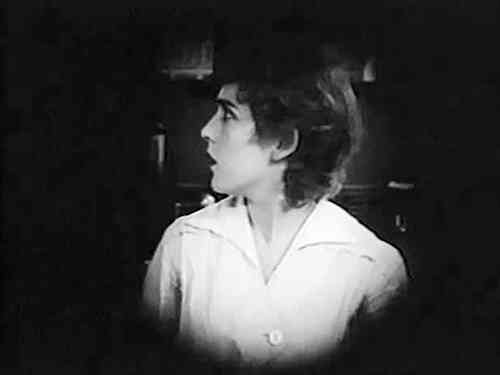
The filmmaking itself, under the guidance of its director, showcases a nascent yet sophisticated understanding of cinematic language. The use of location shooting, particularly the Italian sequences, adds a layer of authenticity and visual grandeur that was impressive for its time. The cinematography, while constrained by the technology of the era, effectively employs composition and lighting to heighten emotional impact. Close-ups of Mary Pickford's face are used judiciously, drawing the audience into her inner world, while wider shots establish the grandeur and danger of her surroundings. The pacing is expertly handled, balancing moments of quiet character development with bursts of thrilling action and suspense.
Intertitles, the lifeblood of silent cinema, are employed with precision, providing necessary exposition without bogging down the visual flow. They serve not just to convey dialogue but also to articulate internal monologues and contextualize the cultural shifts Peppina experiences. The film's ability to tell such a complex, geographically diverse story without spoken words is a testament to the skill of its creators and the inherent power of visual narrative. It reminds us that storytelling, at its core, is about universal emotions and experiences, skillfully communicated through imagery and performance. This intricate visual narrative stands in contrast to simpler, more straightforward adventure films like A Spy for a Day, demonstrating a richer, more melodramatic approach.
While perhaps not as widely discussed as some of Pickford's other monumental works, Poor Little Peppina holds significant value as a piece of cinematic history. It exemplifies the melodramatic sensibilities of the era, yet transcends them through its strong characterization and surprisingly progressive themes. For contemporary audiences, it offers a fascinating window into the concerns and storytelling techniques of early cinema. It's a reminder of how effectively silent films could engage audiences, eliciting powerful emotional responses through artistry and performance alone. The film's exploration of displacement, the struggle against oppression, and the triumph of the human spirit remain timeless and universally resonant.
The sheer scale of Peppina's journey, from a kidnapped child to a resourceful young woman who outwits her tormentors, is a testament to the grand ambitions of early filmmakers. It’s a narrative that demands engagement, drawing viewers into a world of both profound injustice and inspiring courage. The film stands as a compelling example of how a well-crafted story, brought to life by a captivating performer like Mary Pickford, can leave an indelible mark, proving that even a 'poor little' protagonist can possess the power to shape her own formidable destiny. Its intricate plotting and character development offer a richer experience than more episodic films like Famous Battles of Napoleon, which focus more on historical spectacle than personal journey.
In conclusion, Poor Little Peppina is far more than a historical curiosity; it is a vibrant, emotionally charged piece of filmmaking that continues to resonate. It showcases Mary Pickford at the height of her powers, demonstrating her range beyond the innocent ingenue, portraying a character who navigates a world fraught with danger with remarkable fortitude. The film's narrative, penned by Kate Jordan, is a testament to imaginative storytelling, weaving together elements of crime, adventure, and coming-of-age drama into a cohesive and compelling whole. It’s a powerful reminder that the struggles for identity, freedom, and justice are universal, transcending the boundaries of time and the limitations of technology. For those interested in the evolution of cinema, the power of silent storytelling, or simply a gripping tale of triumph over adversity, Poor Little Peppina is an essential viewing experience, a bright star in the constellation of early American film.
IMDb 6.8
1934
Community
Log in to comment.